PT

VINTAGE

Eighteen samples.Fifty thousand frames.

Alessandro Damasceno, São Paulo

TAKE IT OR LEAVE IT

Eighteen pairs of glasses in a shoebox. That was what Alessandro Damasceno saw on Christmas Eve 2009. Behind them were more than eight hundred models and fifty thousand pieces, with no half lots, no splitting and no time to think. Take it or leave it. A man who sells fifty thousand frames in one go isn't selling glasses. He's closing the book on something.

Until then he had never sold a single pair of vintage glasses. He sold regular eyewear, whatever the market had on offer, supplied mall chains, and worked fashion events from behind an aluminum counter with acrylic panels. Parked just behind it, a 1966 Volkswagen Kombi he had customized himself served as backdrop and transport. He did more than 120 events that way. Each one paid for the stock for the next, and there was a time when his entire inventory fit in a box of two hundred and fifty pieces. But new brands and other vendors were starting to crop up at those same events, and he was looking for something that would set him apart even further. For that, two thousand pieces would have done. Fifty thousand turned up. The rule was to buy only after selling. The shoebox asked for the opposite.

He shook the seller's hand.

He didn't have the money. He asked for a week to cash out an investment that didn't exist and drove off to the bank, his phone split between the bank manager and the investors he knew. He didn't much care where the money came from. By that same afternoon he had it. A week later, the seller was paid in full. Banks call this credit, from the Latin for “to believe.” Anyone else would have chosen before buying. He bought before choosing.

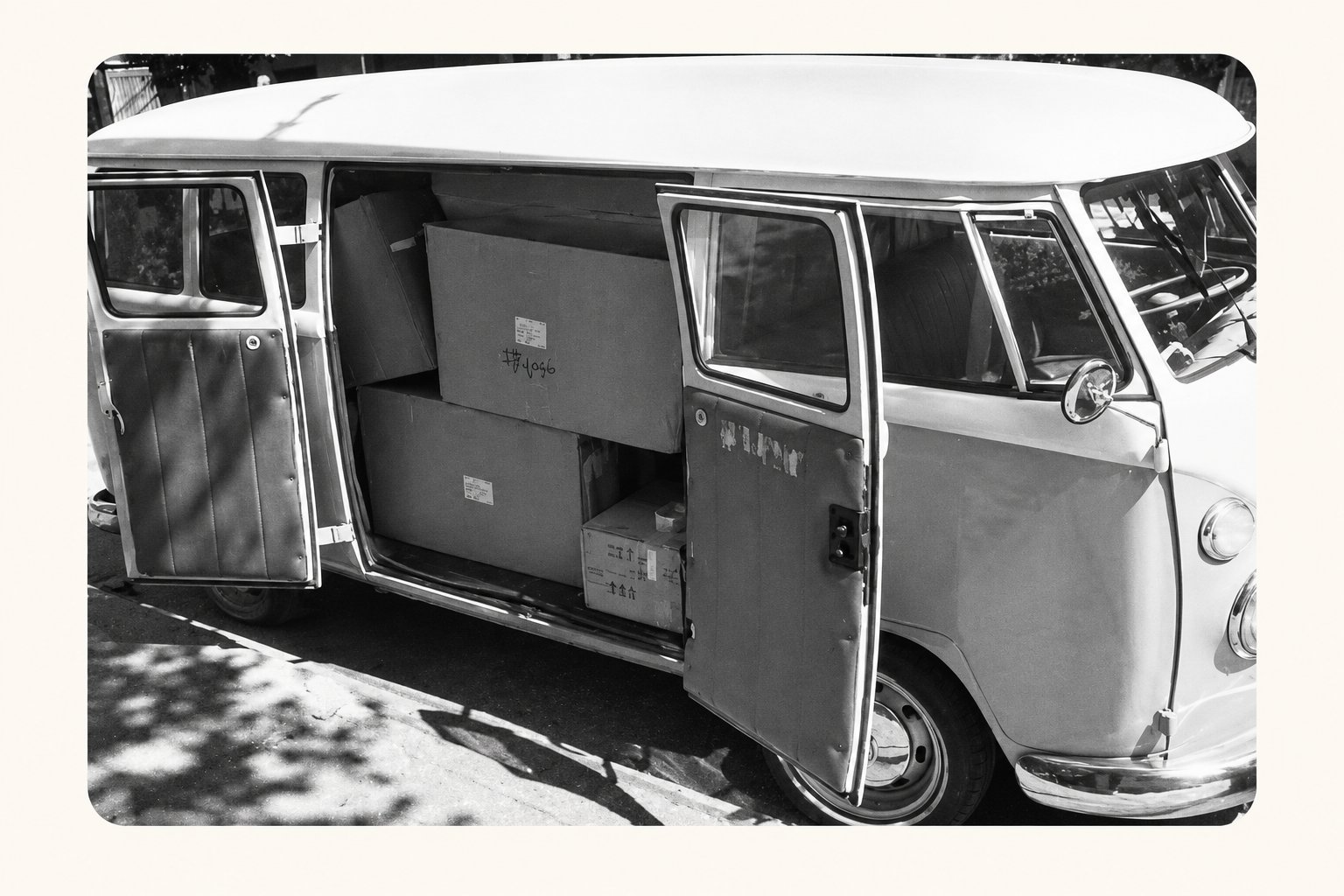
A Kombi can carry eleven thousand pairs of glasses. It took five trips. Do the math. He caught one of them on camera: the 1966 Kombi with its doors open, packed to the roof with boxes of vintage eyewear.

Alessandro Damasceno's 1966 Kombi with its doors open, packed with boxes of original vintage eyewear

It took him months to understand what he had bought. Standing over the shoebox, he had figured that if the stock was anything like that, the deal would pay for itself. It wasn't like that. It was far more. Of all the models, more than eighty percent were women's frames, made for faces other than his. That was the first thing the inventory taught him: in wholesale, whoever buys to his own taste is buying for himself, and it's the customer who pays the store's rent. The archive opened for business in 2010, and its first photo studio was a cell phone on the granite countertop by the kitchen sink.

From the kitchen counter in his apartment, the frames went to Rua Oscar Freire, at the time home to the most luxurious stores in Latin America, where storefronts were negotiated in dollars and there was a waiting list to open one. At number 720 was a gallery showcasing emerging brands, and he landed the spot right by the entrance the same way he had bought the stock: he sold the owner on an exclusive lot of eyewear before showing him a single piece. When he finally saw the glasses, the owner of the space said:

“You don’t have inventory. You have treasure.”

Inventory and treasure are the same goods seen by different accountants. One counts what it costs to let them sit. The other counts what time did to them while no one was looking.

To the public, the space was a store. To him, it was a wholesale showroom, and the idea went back five years. When he first started selling eyewear, he walked into shops and hair salons presenting himself as the rep for an importer of Italian-designed frames, looking for anyone who would take them on consignment. He'd open his sample case, a crowd would gather, and the customers would talk him into selling right there, a pair for each of them. By the end of the afternoon the samples were gone. Back then, he posed as a wholesaler to sell retail. With vintage, he posed as a retailer to sell wholesale. Plenty of deals came out of that storefront. The most unlikely one walked through the door: a Chinese buyer staying at a hotel on the street, with a security detail in tow. She bought more than a thousand hand-picked pieces, paid in dollars and took the lot to New York.

Vintage had a different customer and a different rule. Regular eyewear sold by volume. With vintage, the more exotic and exclusive, the better.

Step out of the gallery and the rest of the operation was in plain sight. Turning off Oscar Freire and heading up Rua Augusta, the first gallery on the left carried his frames. Two blocks up, so did the vintage stores on both sides of the street. Across Avenida Paulista, the stores on lower Augusta resold the same frames, and in the mall on the corner, so did the vendor from the Sunday fairs. On Saturdays, the shops around Praça Benedito Calixto. In Vila Madalena, the hippest stores, among dozens of bars. Later came stores in other states. At the events, people asked where he'd gone. He was in all of those places at once, selling wholesale to retailers who offered the frames under their own labels, and the math was simple. Being in that many places took variety, stock ready to ship and exclusive merchandise, and he had all three because of a shoebox with eighteen samples in it. His name left the counter and went to work inside other people's brands.

Then came more lots, added to what he already had. In time the direction reversed, and people started coming to him, offering more vintage and new old stock, period pieces that had never been worn. He never quite knew how they found him.

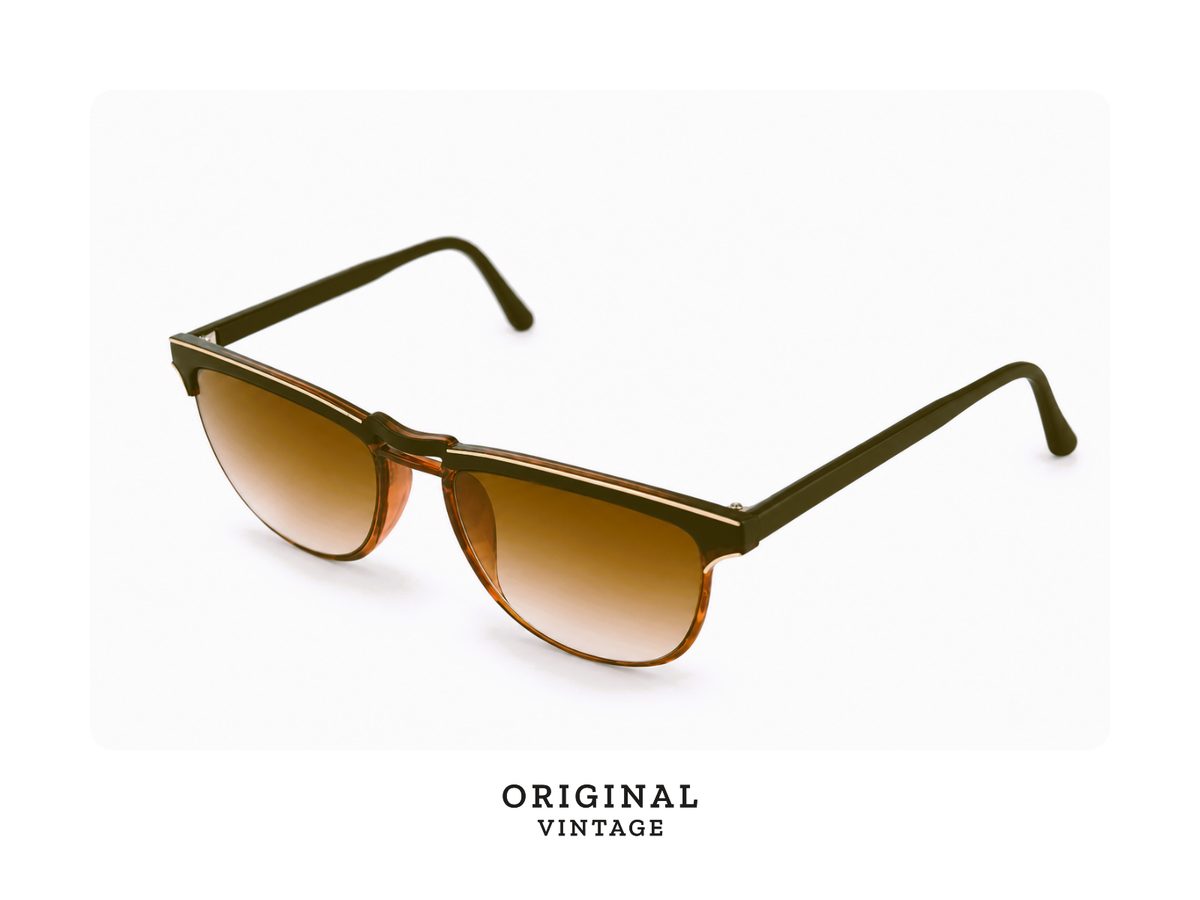
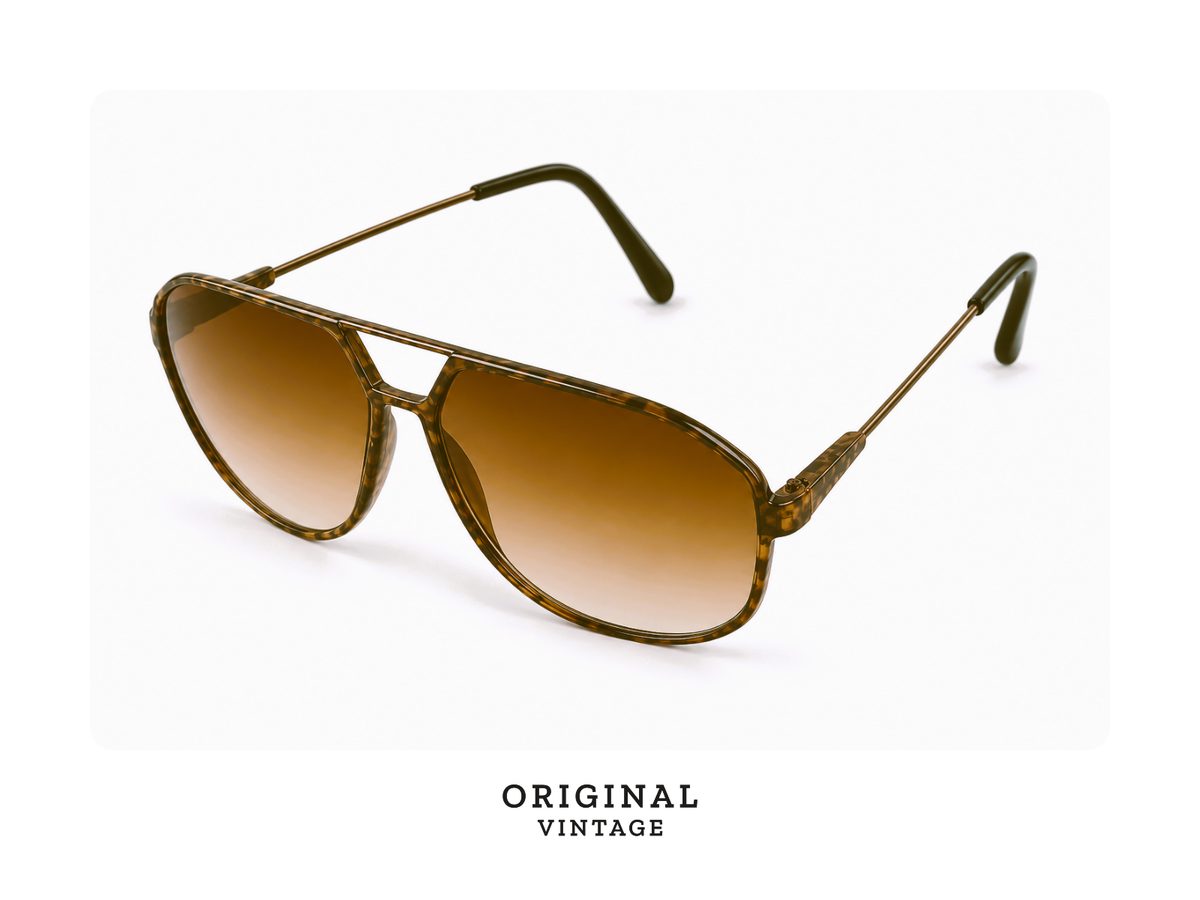
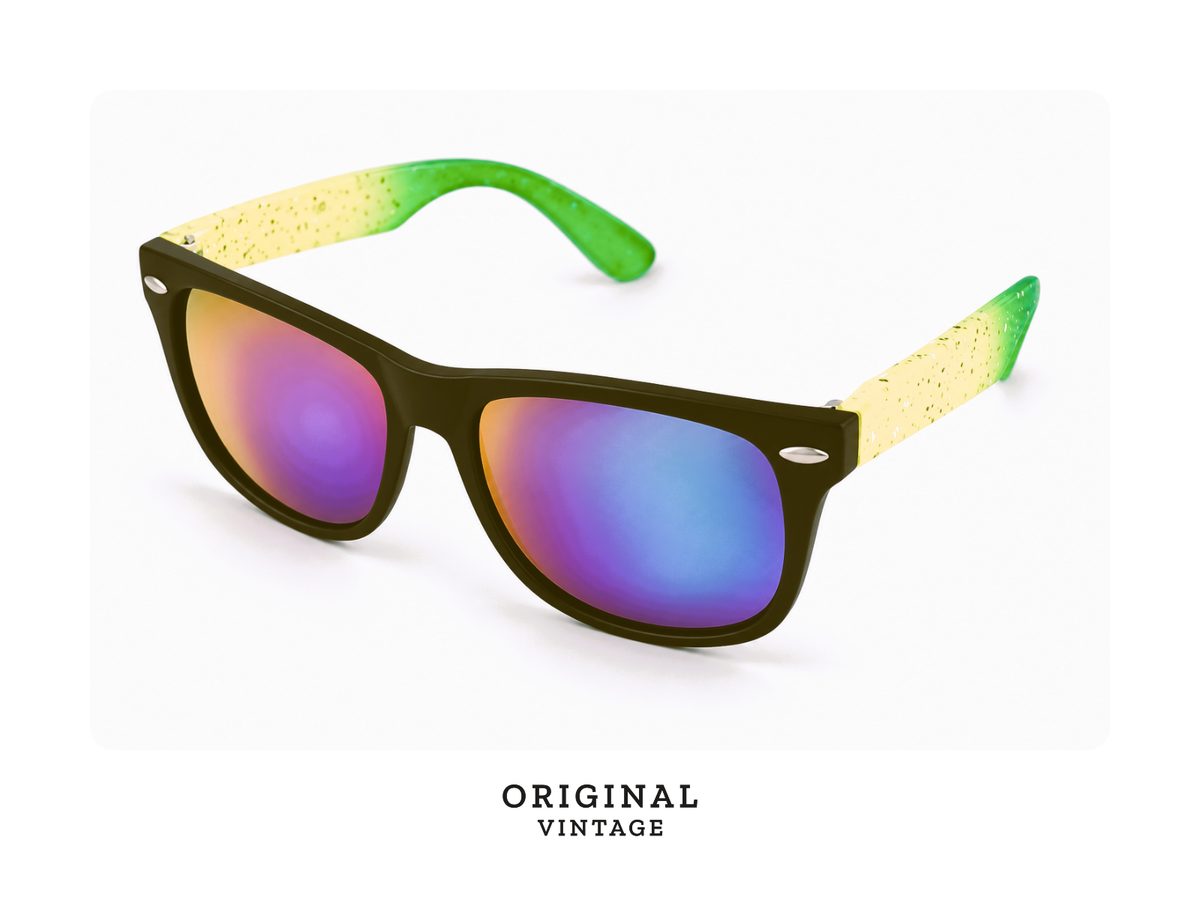
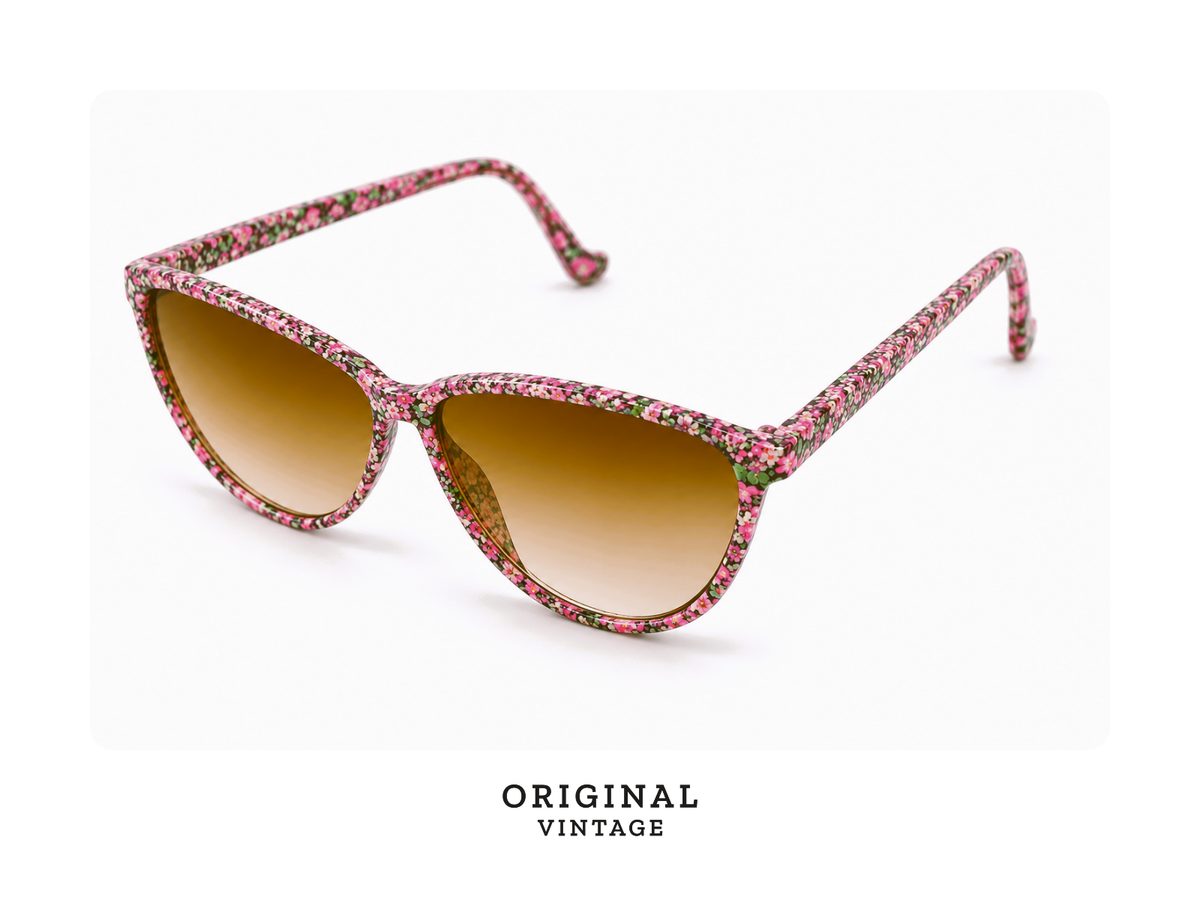
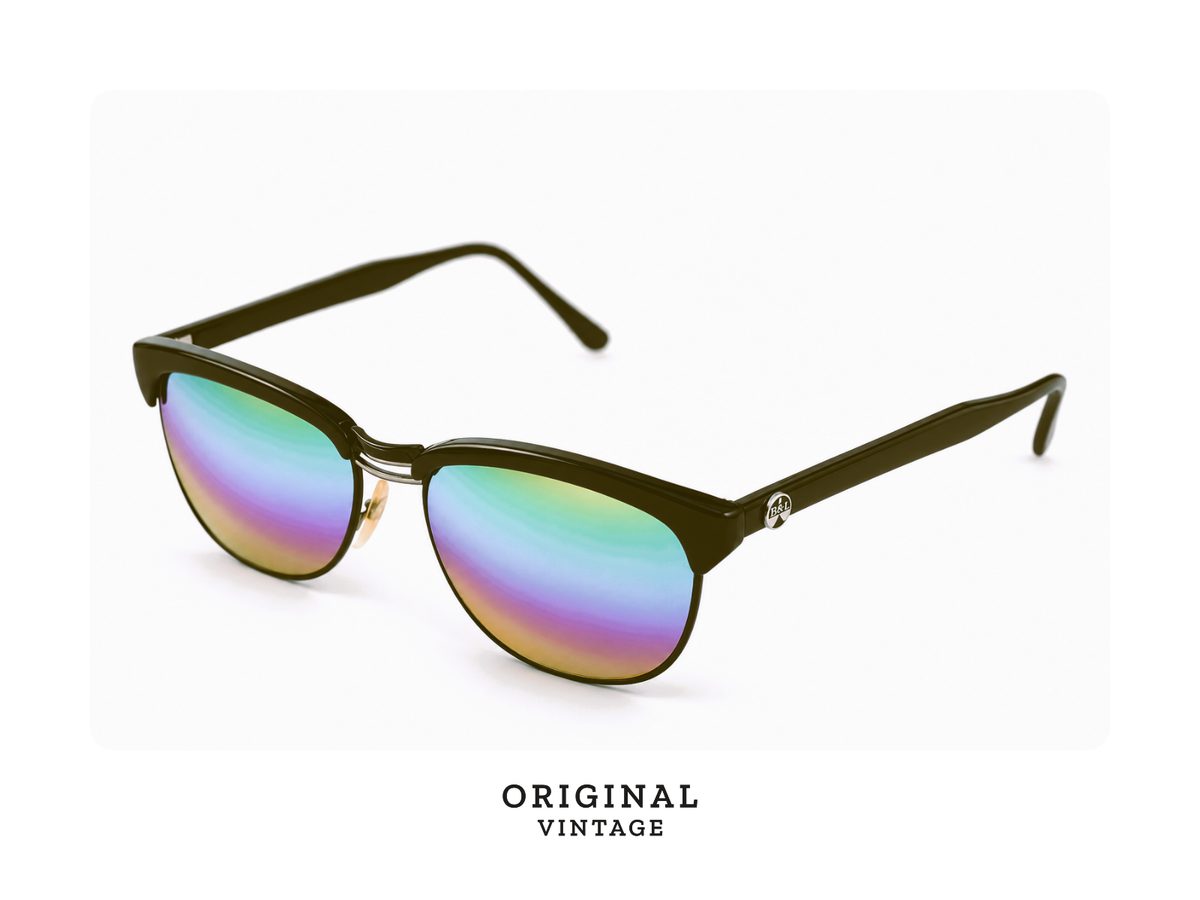
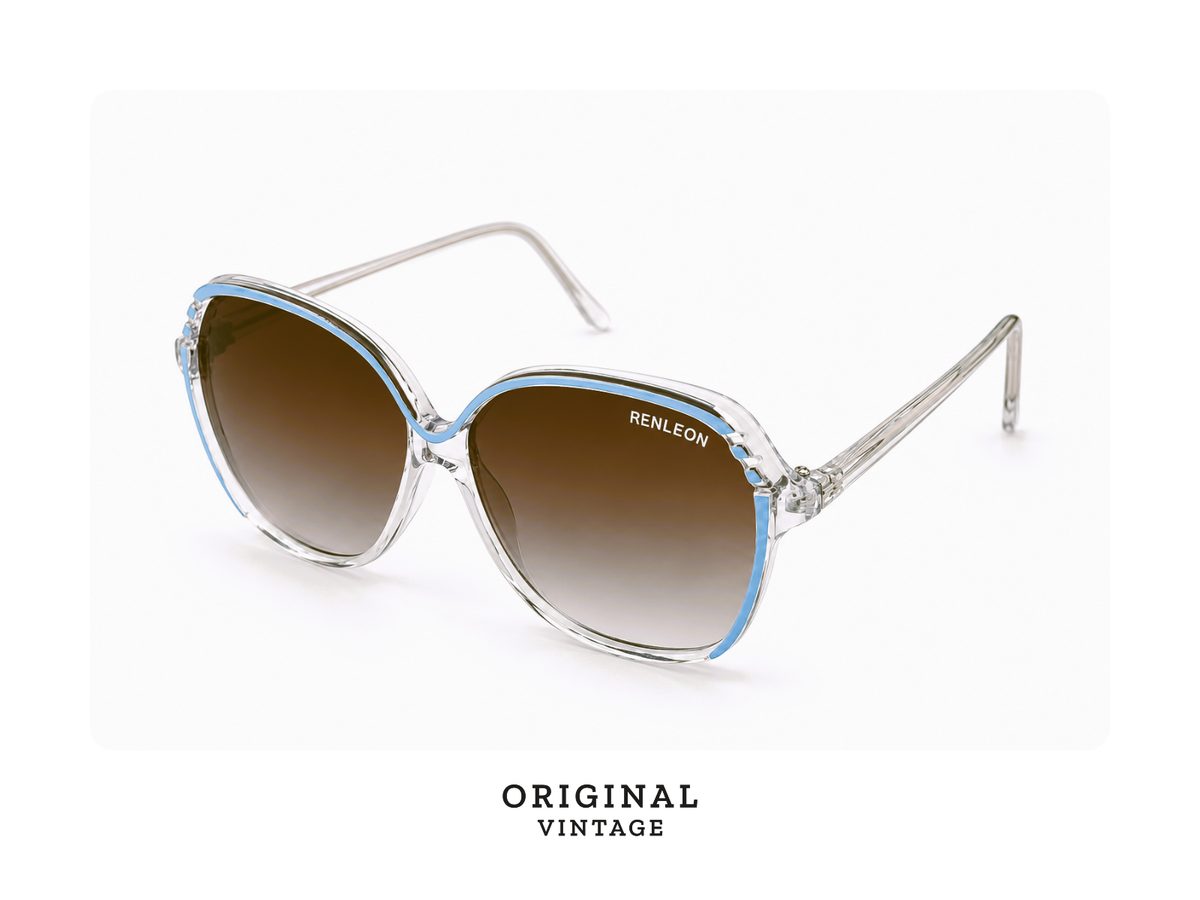
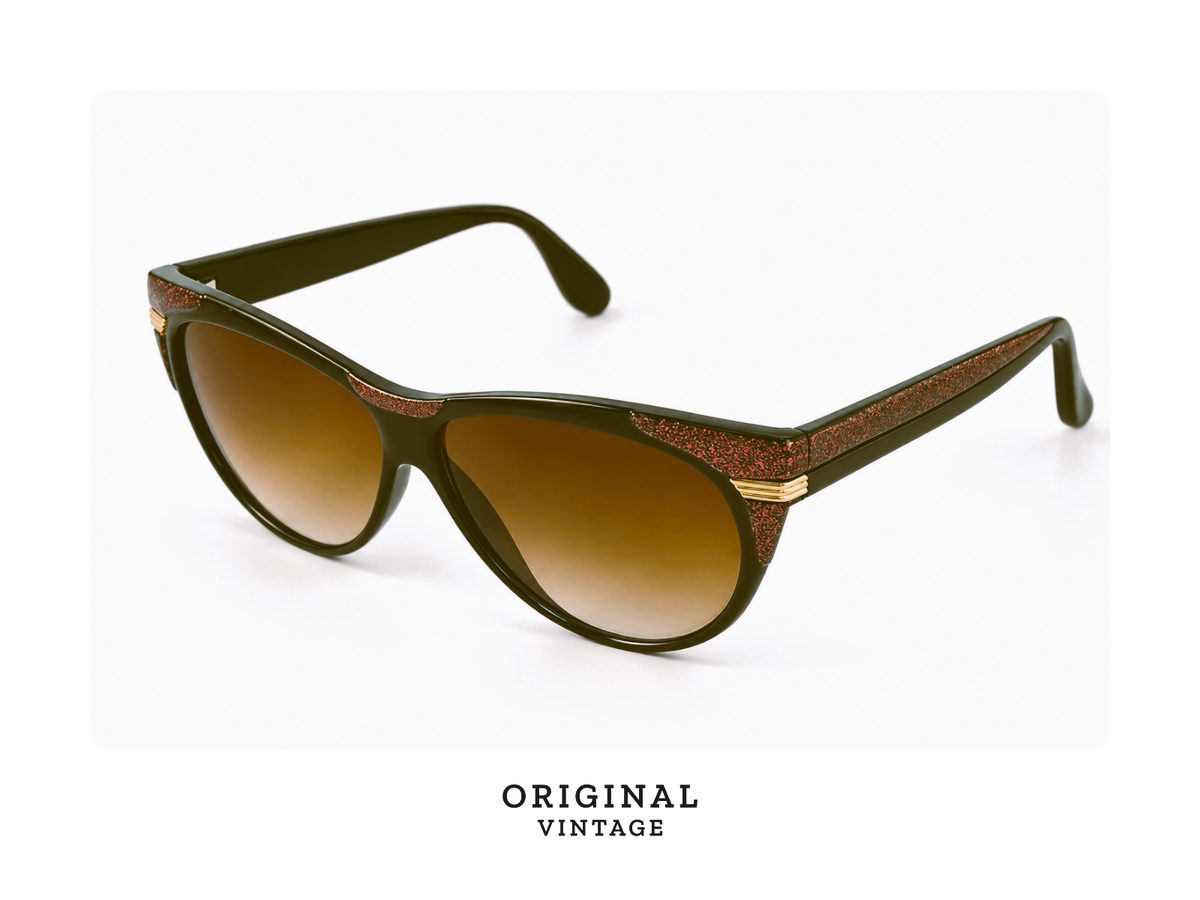
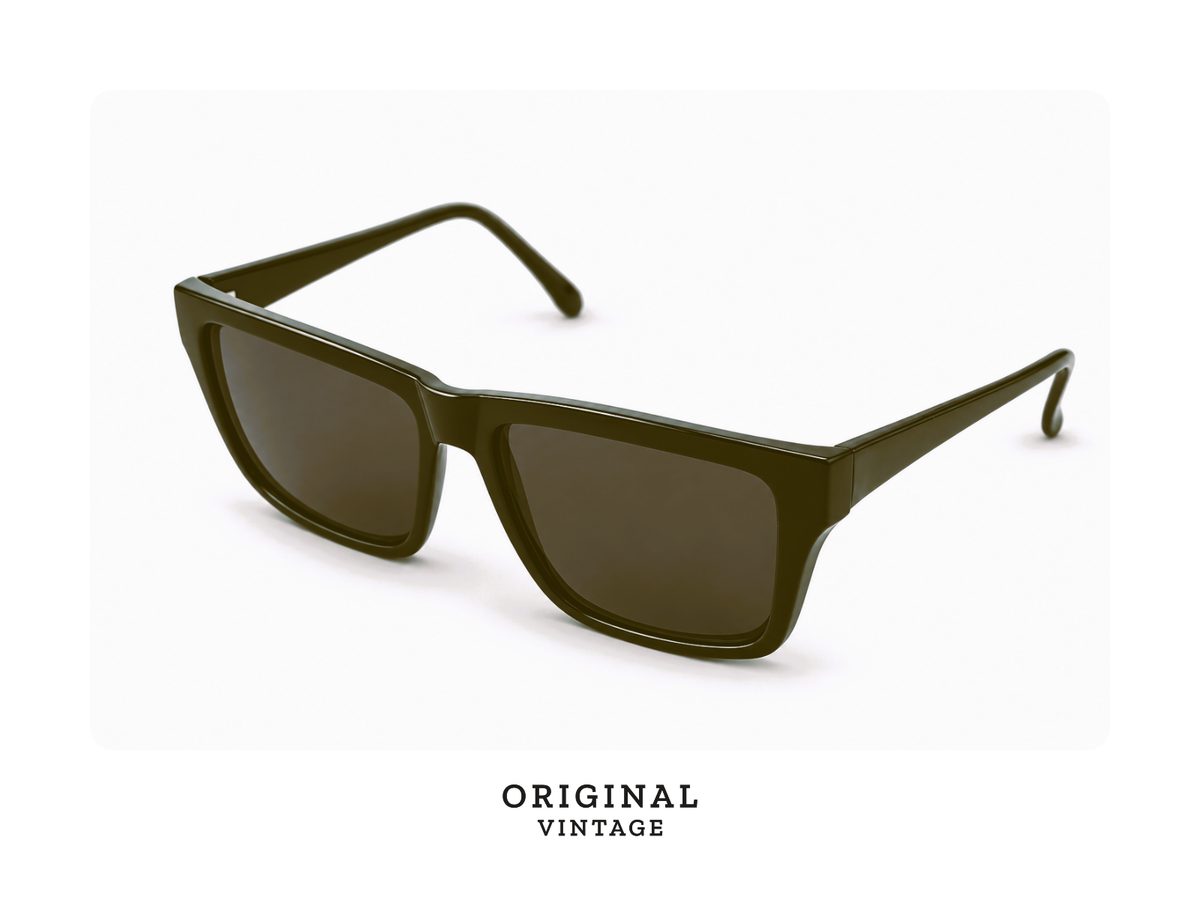
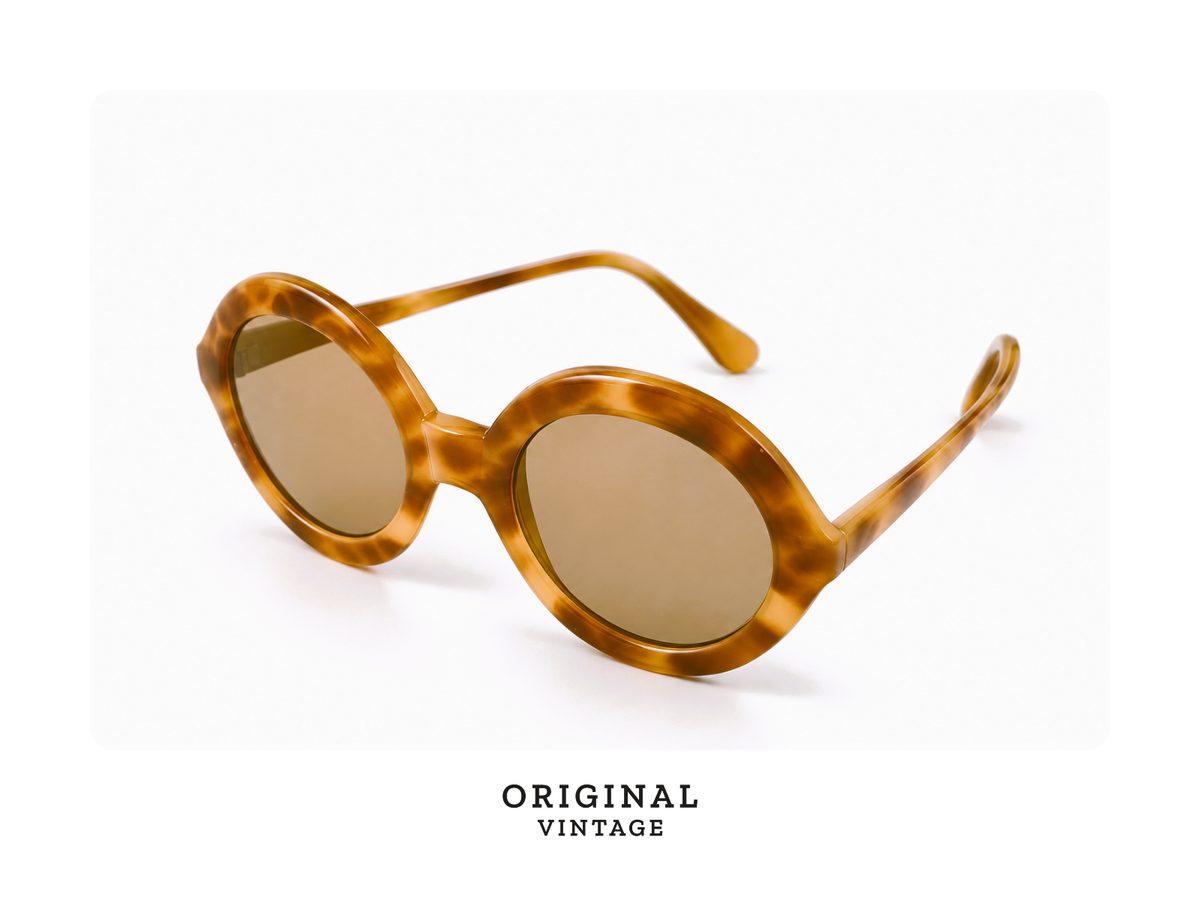
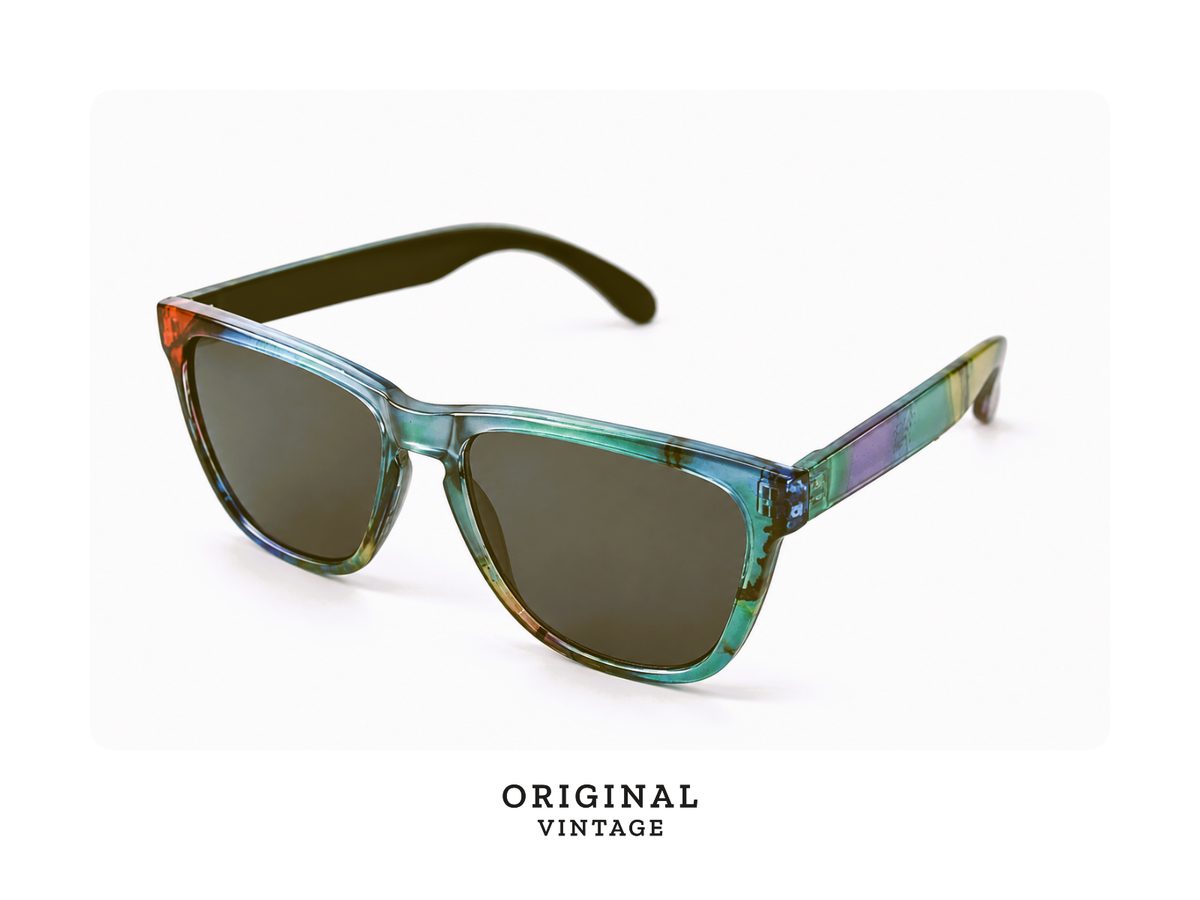
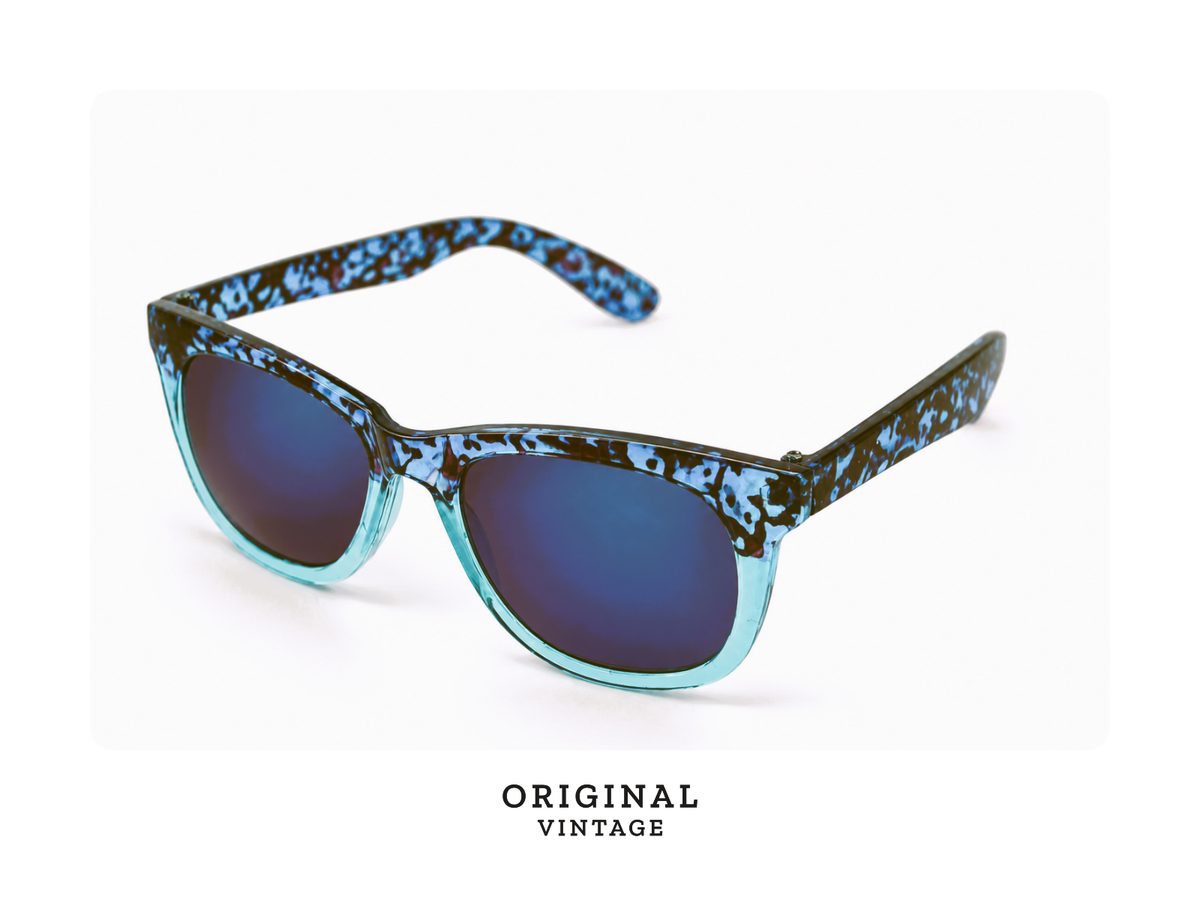
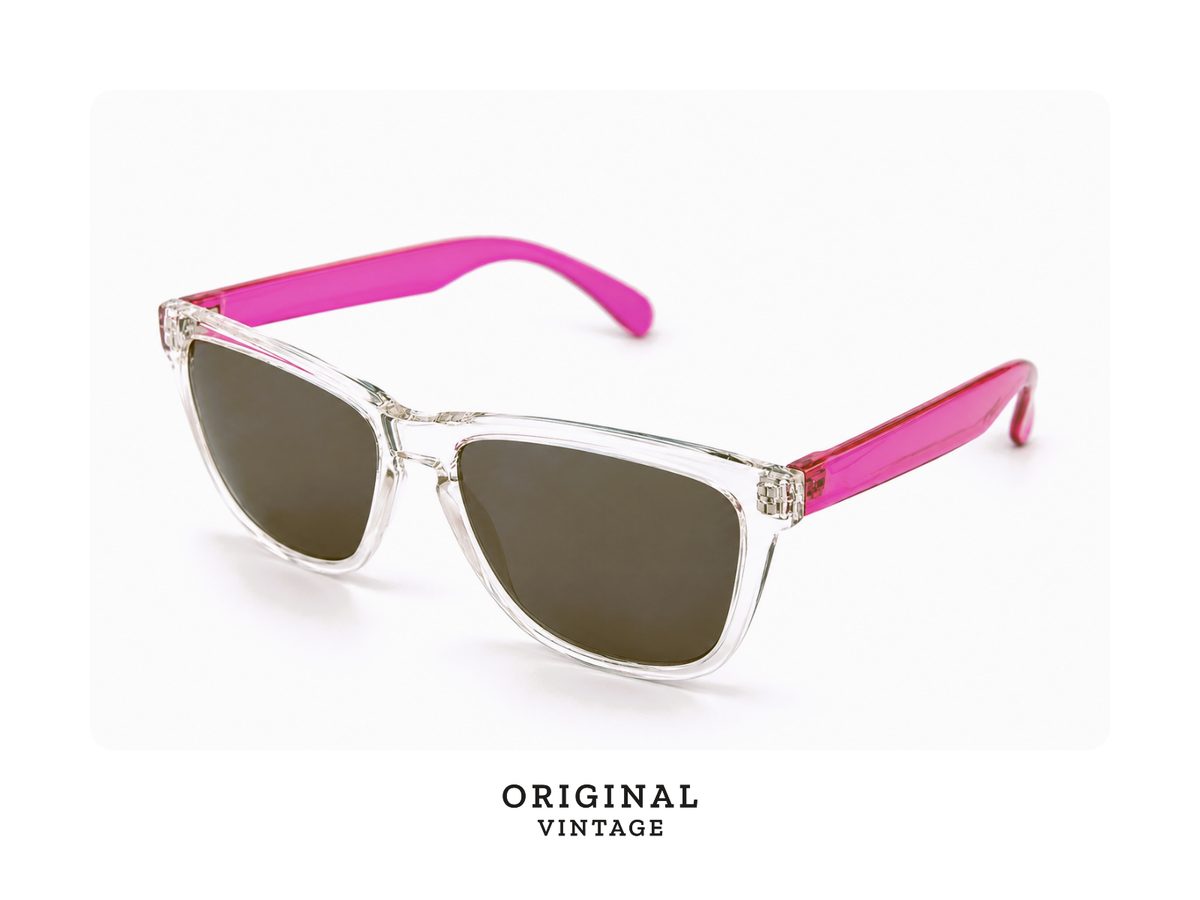
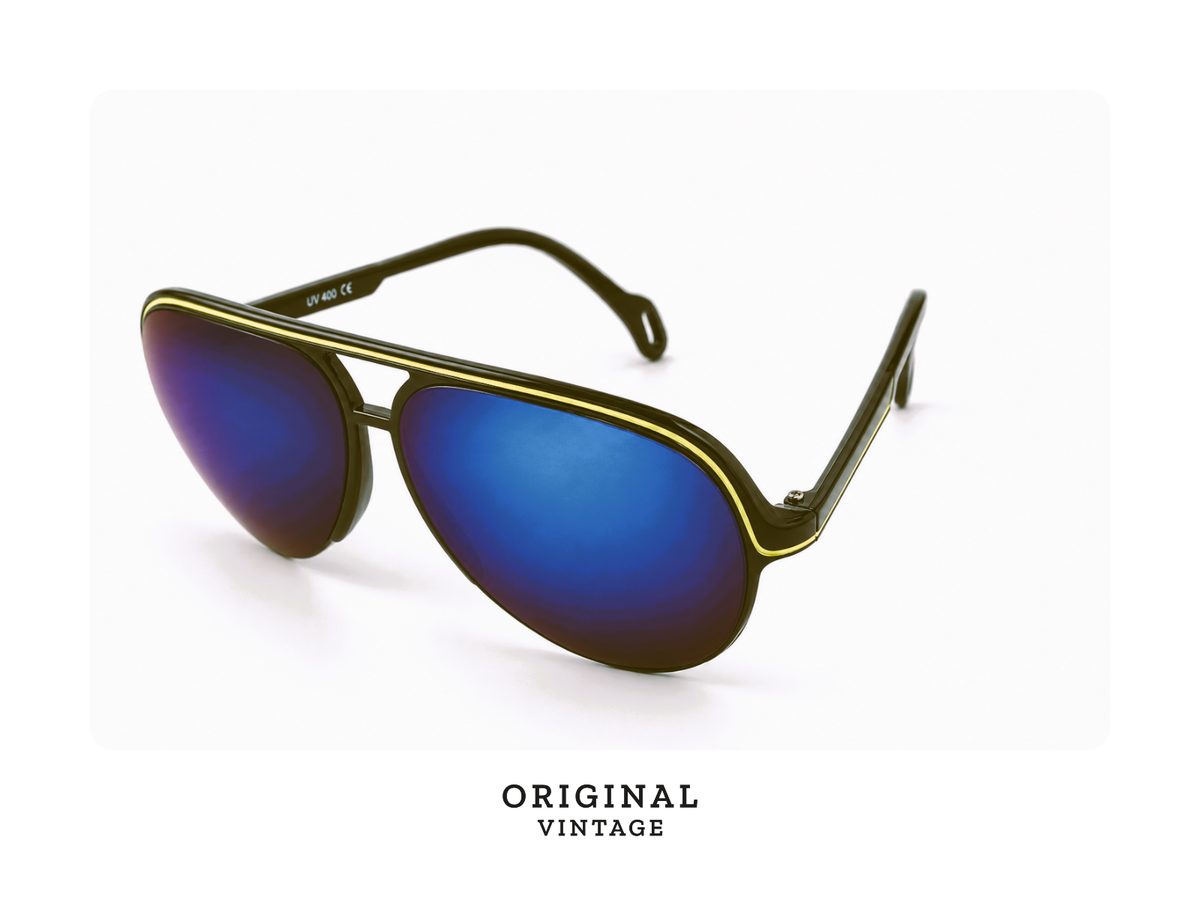
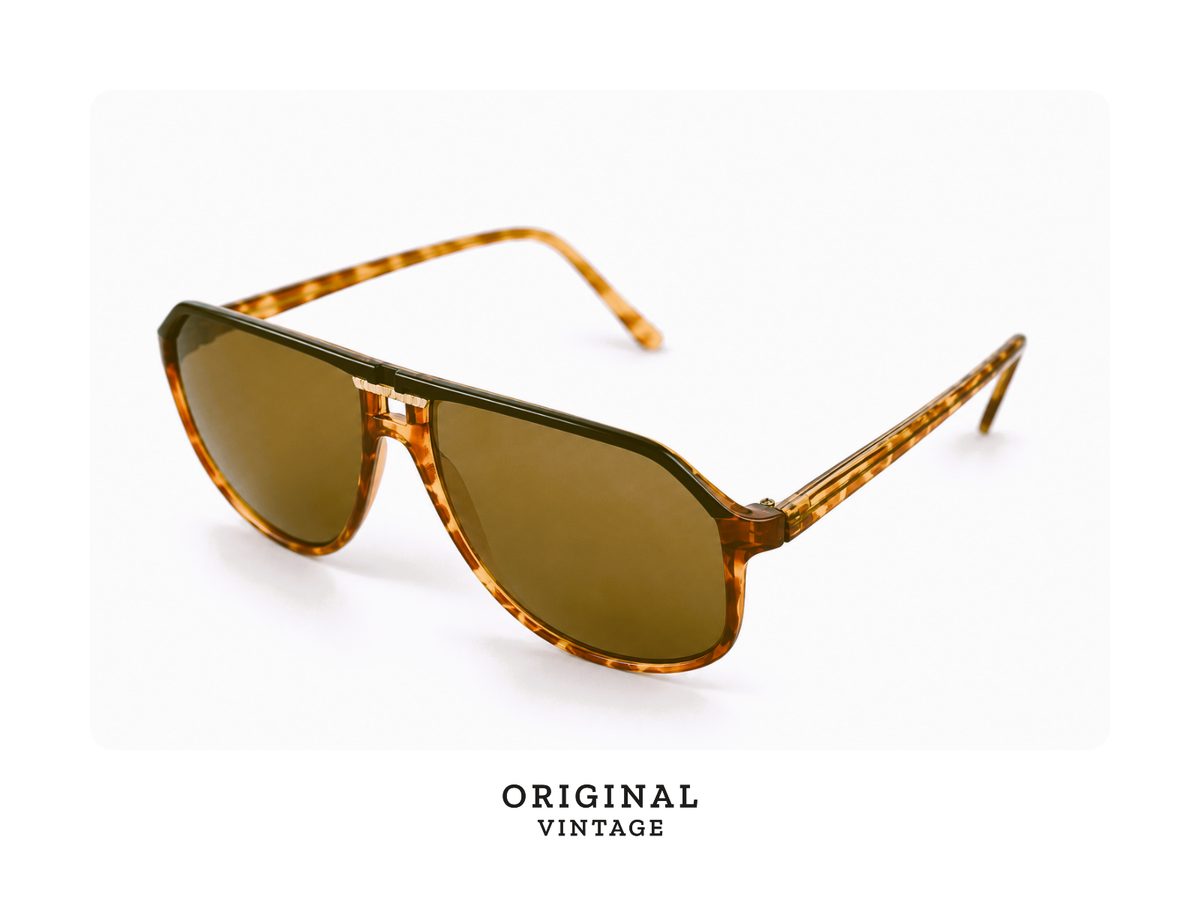
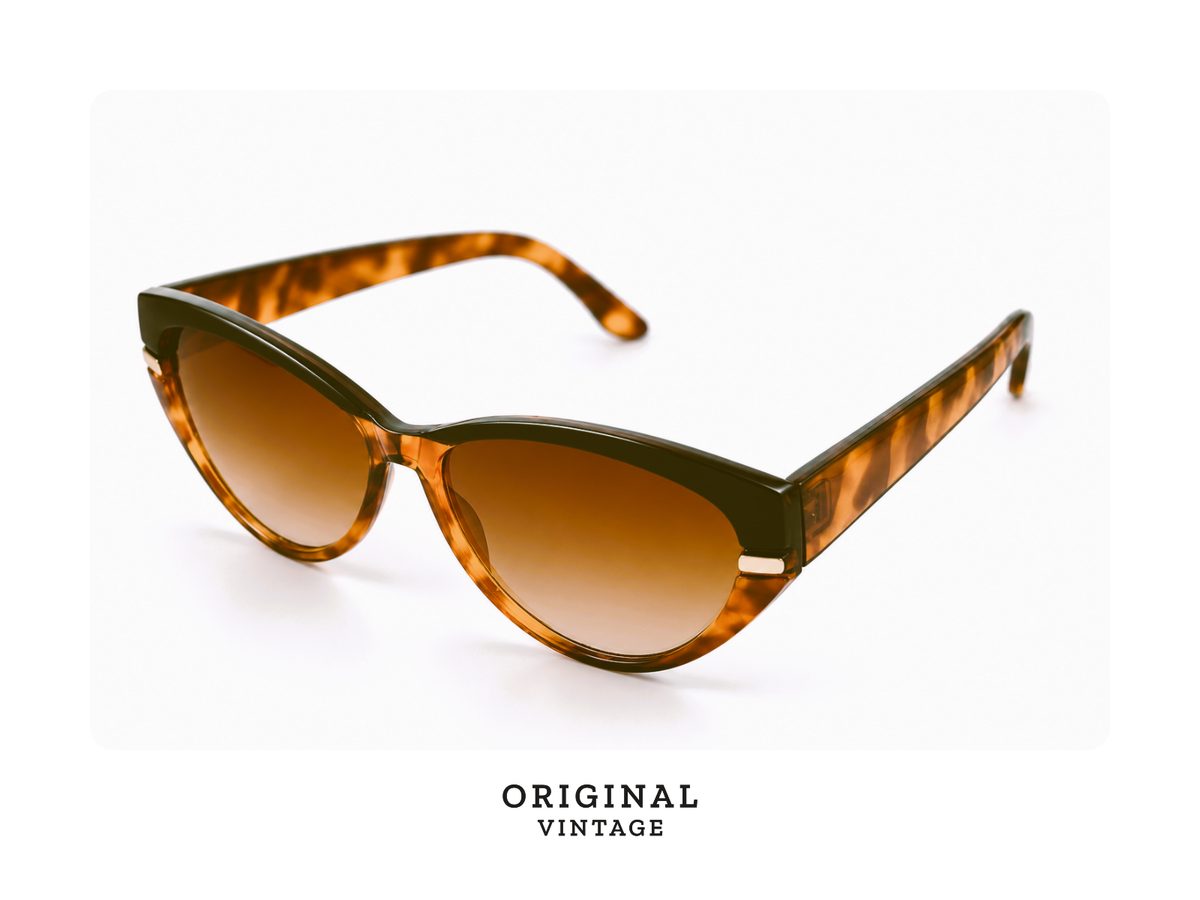
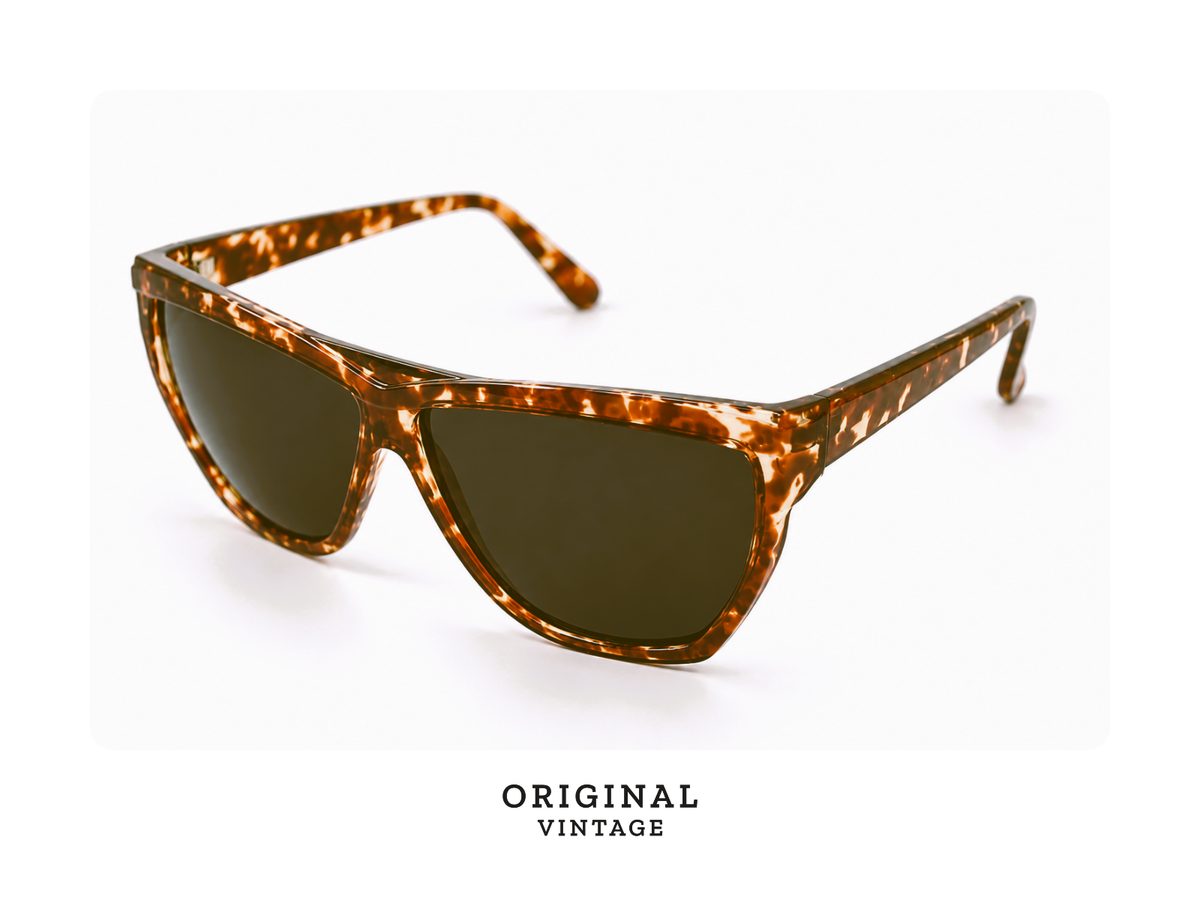
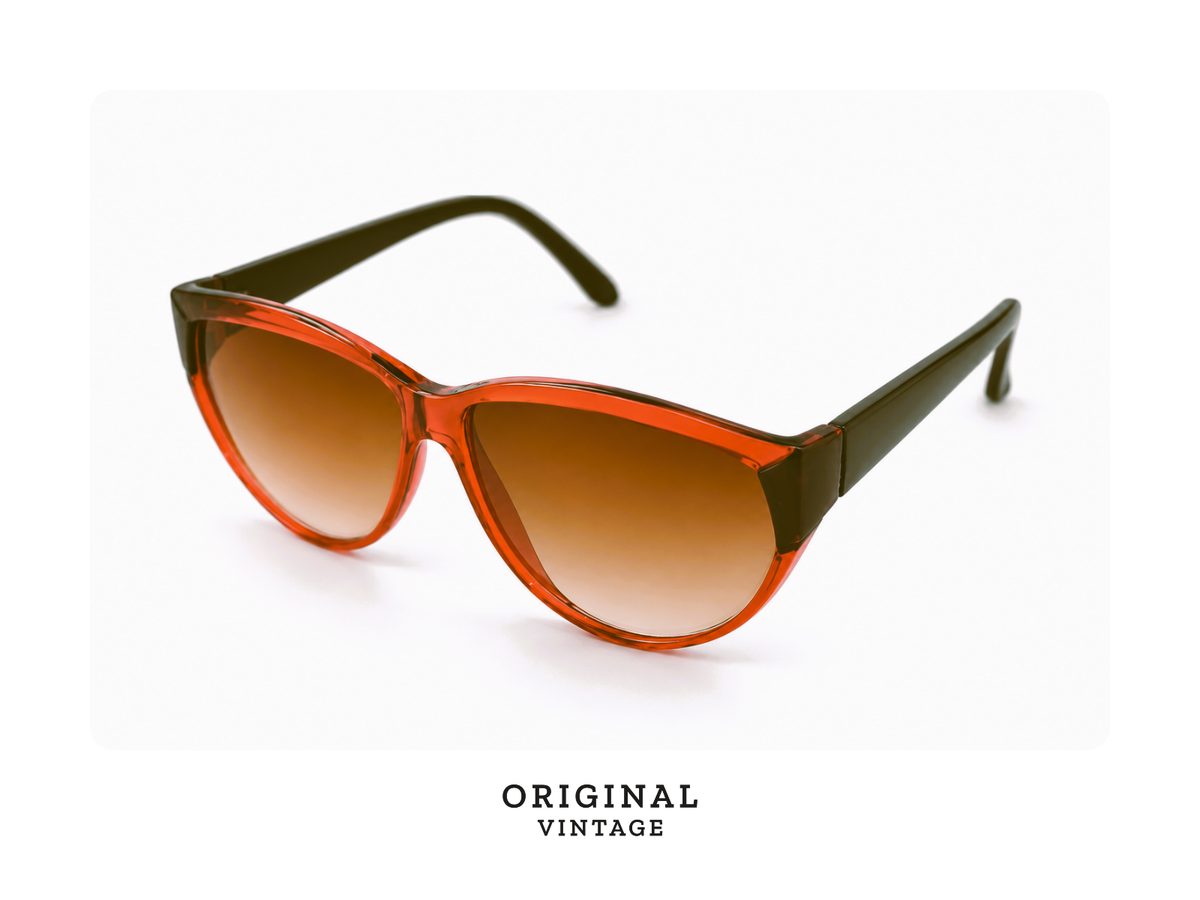
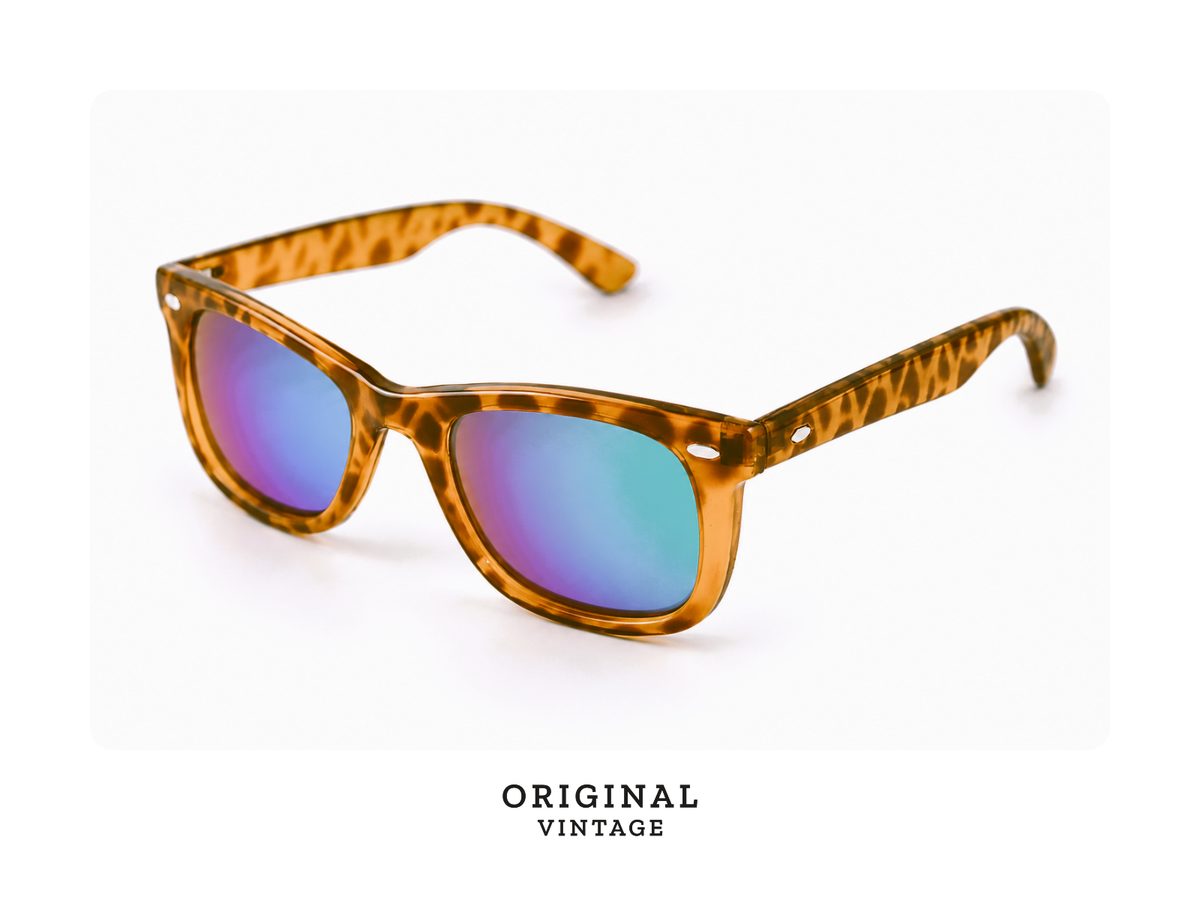
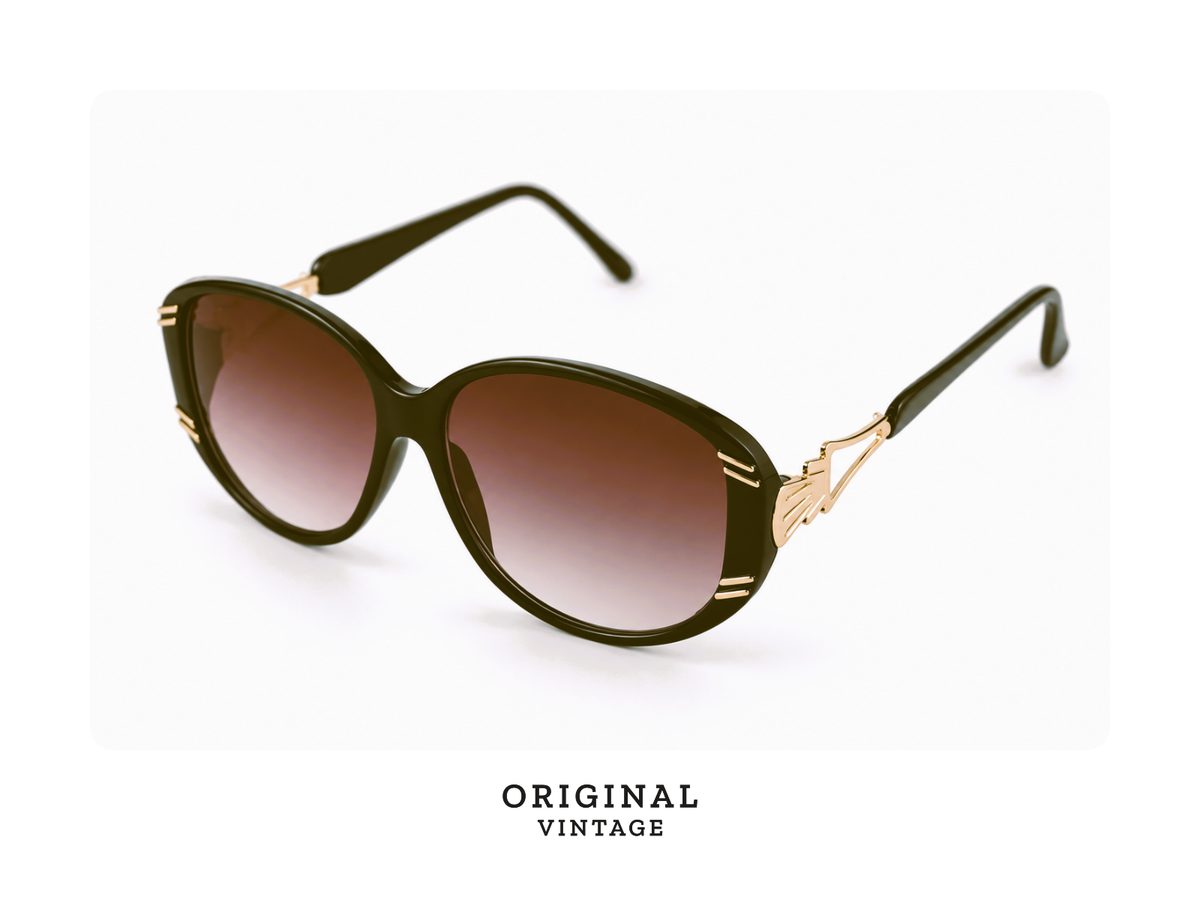
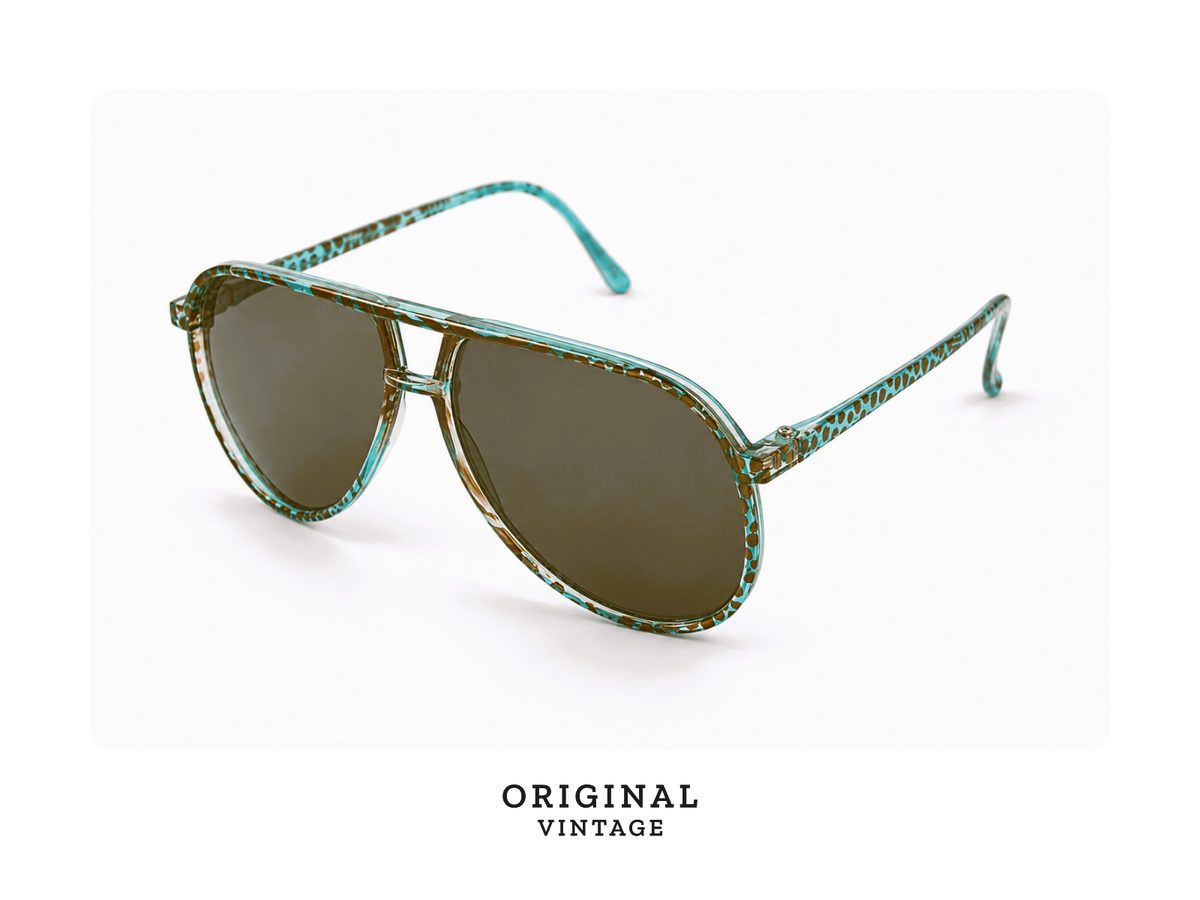
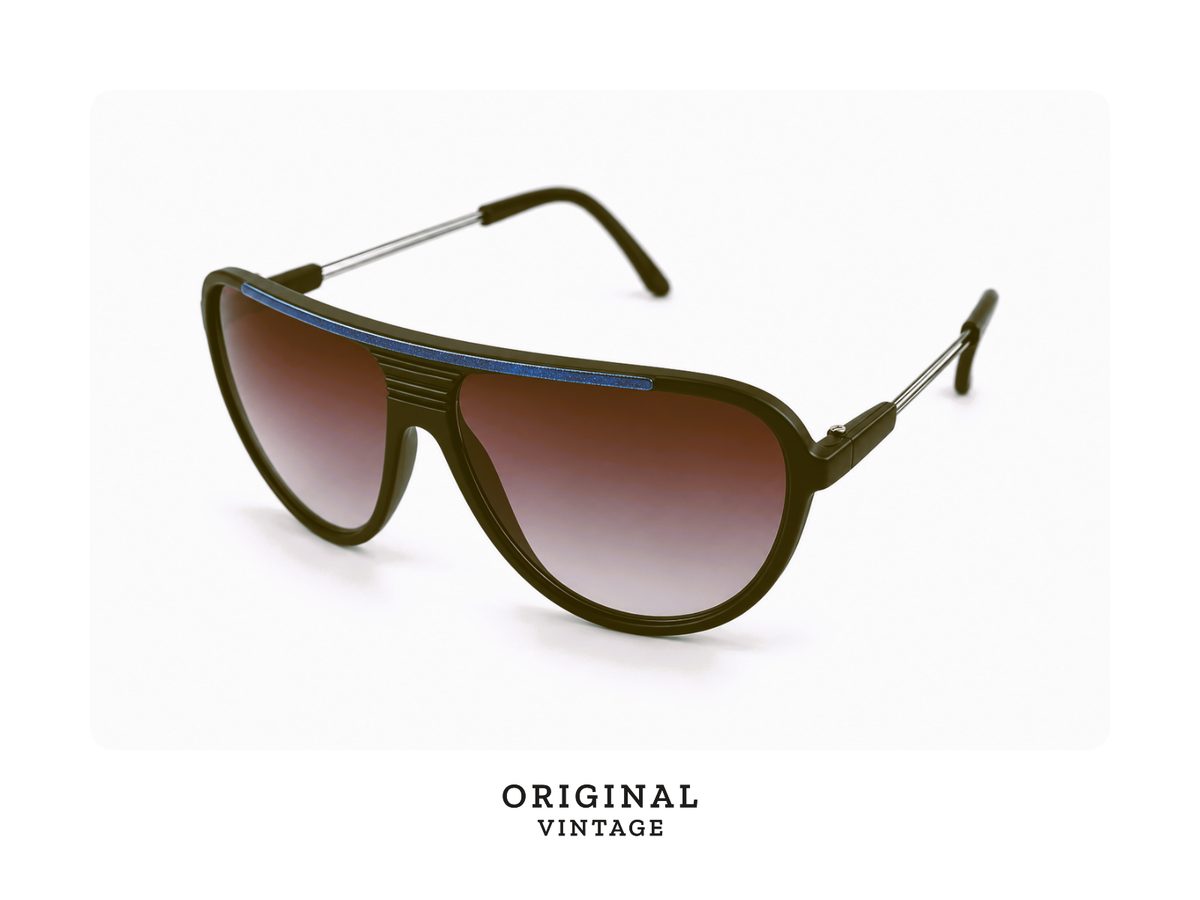
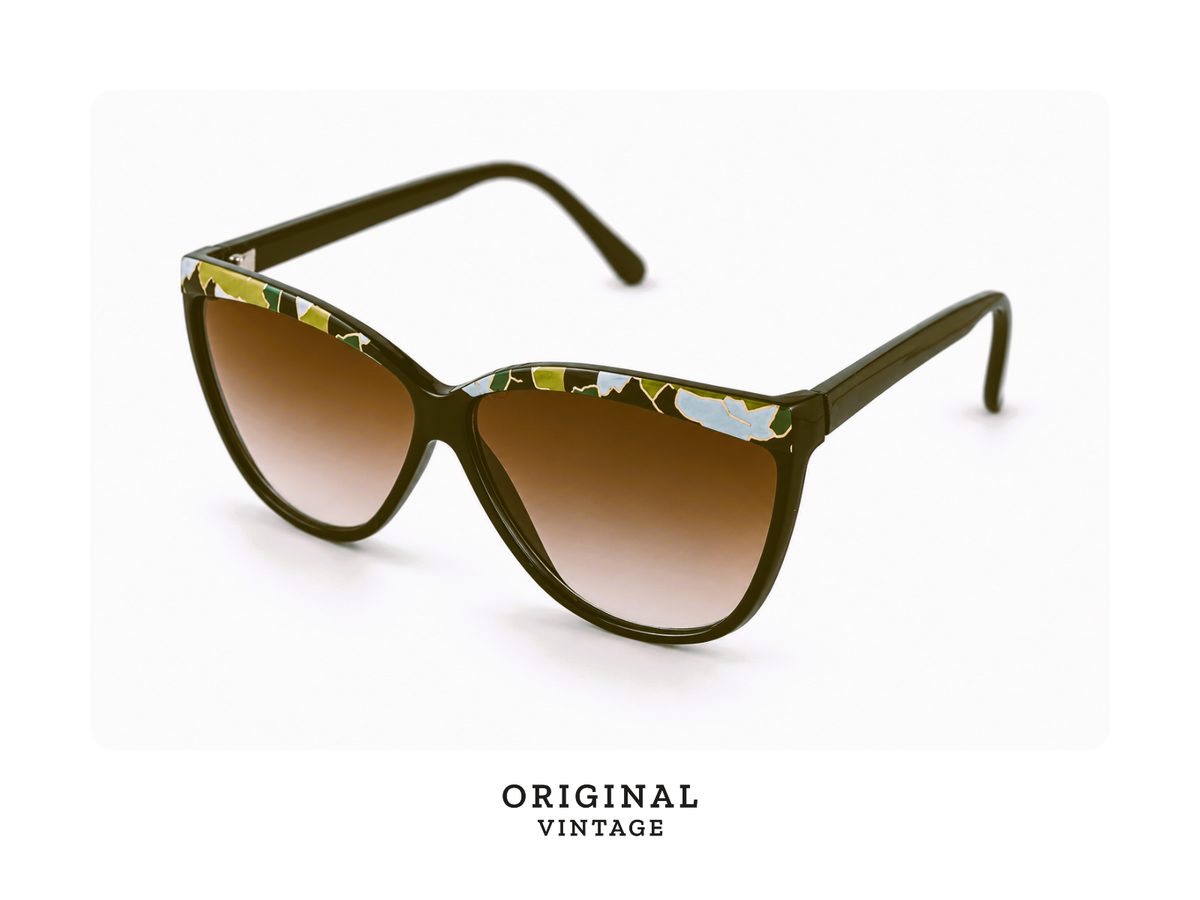
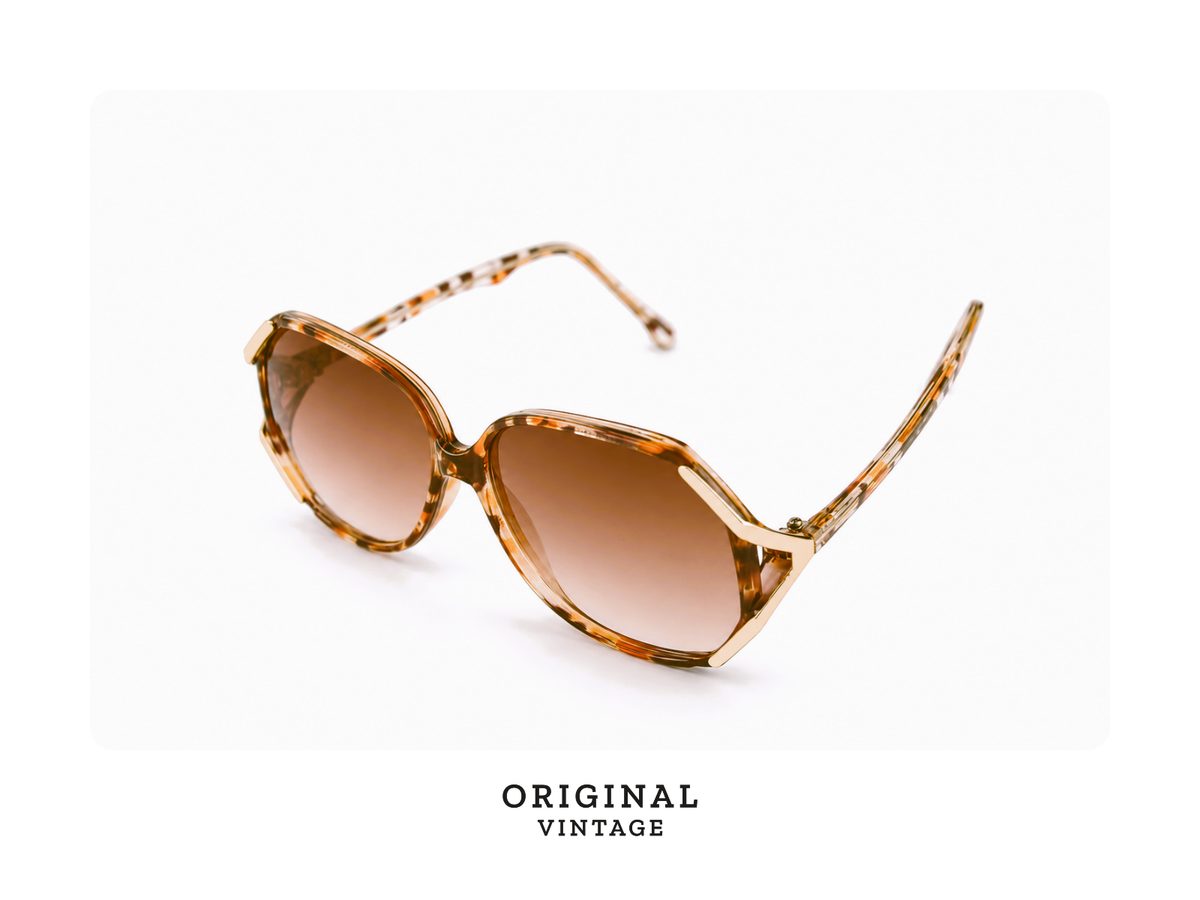
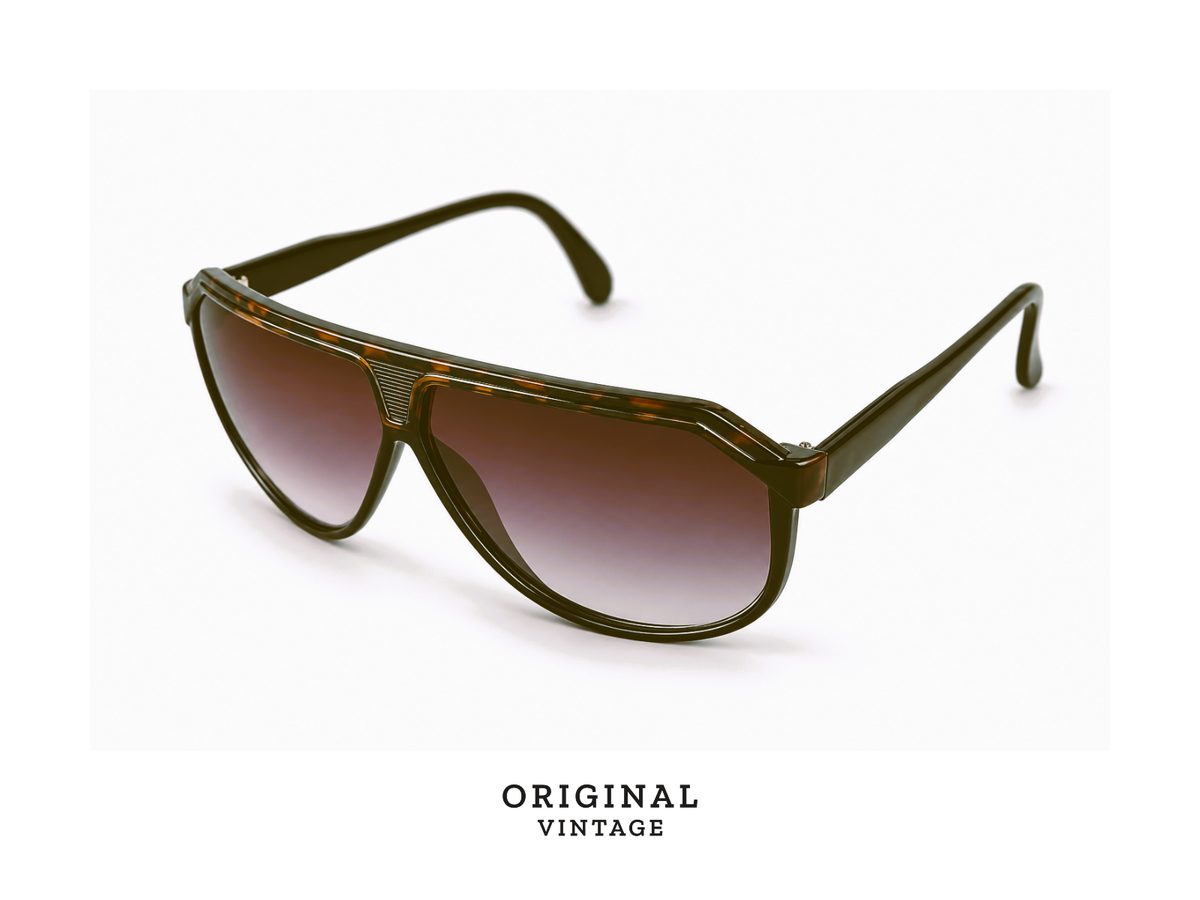
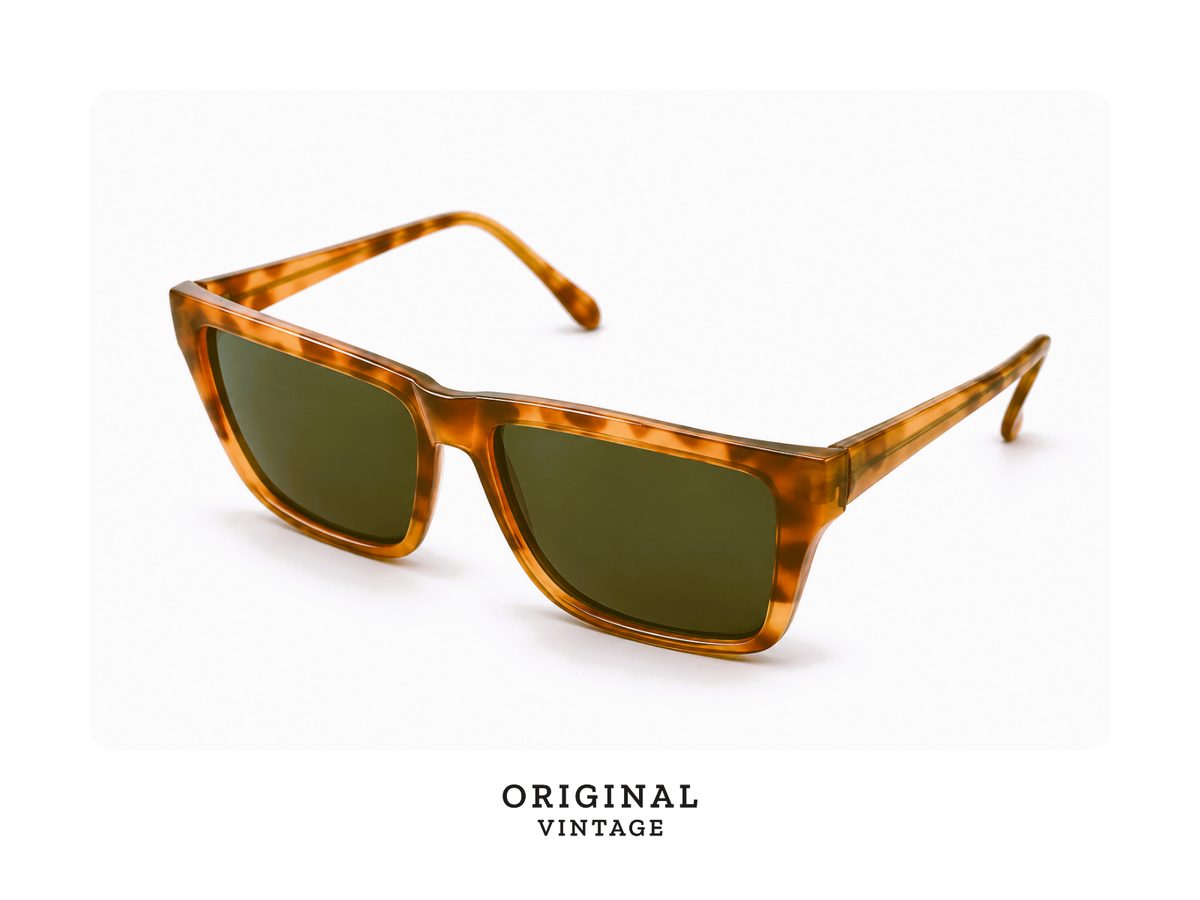
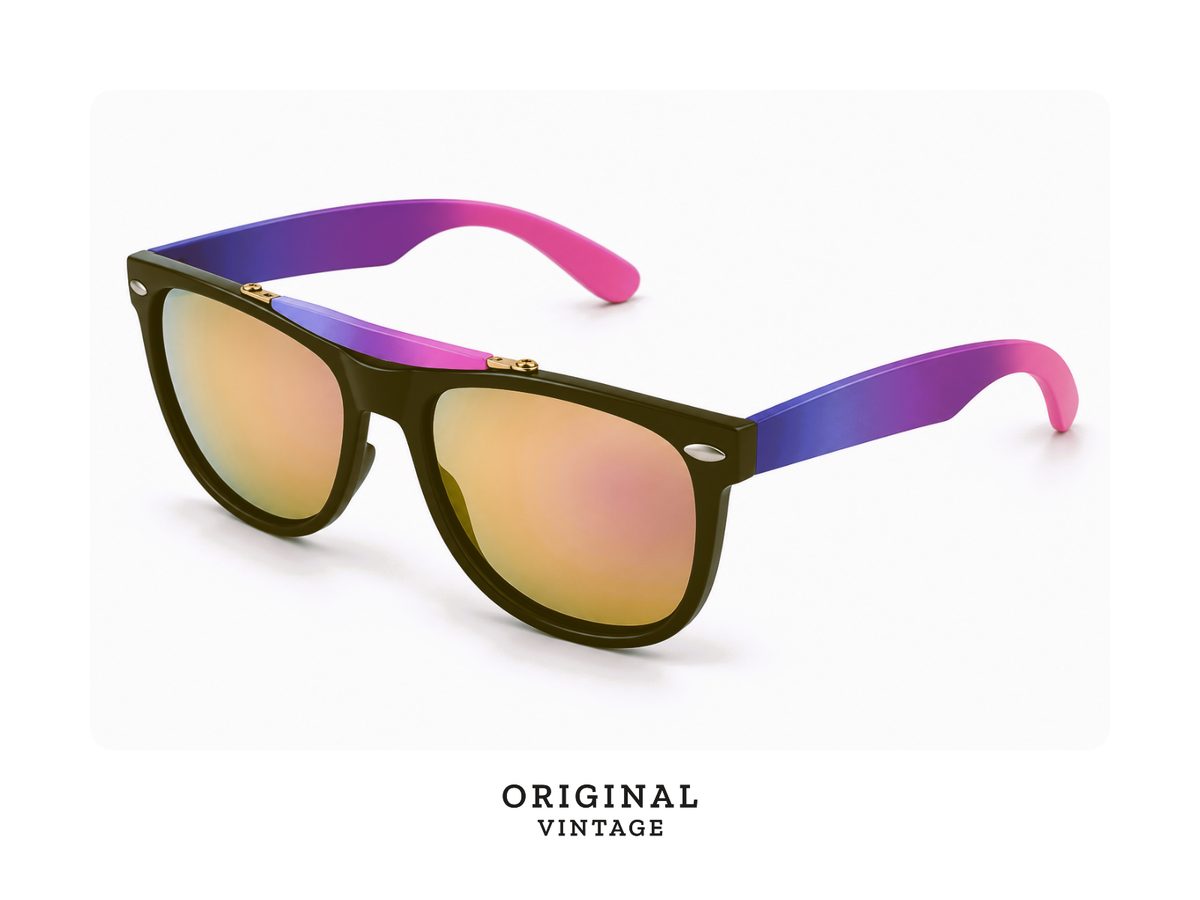
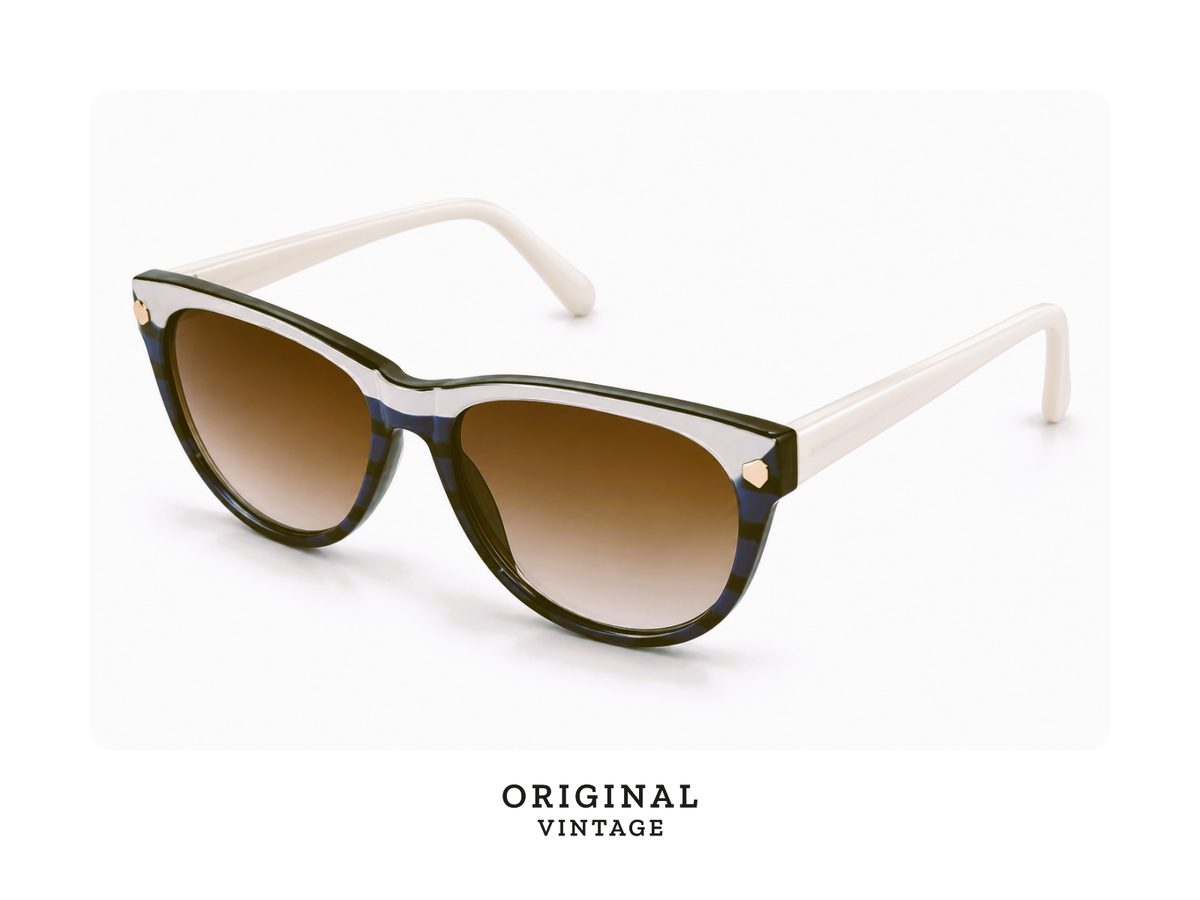
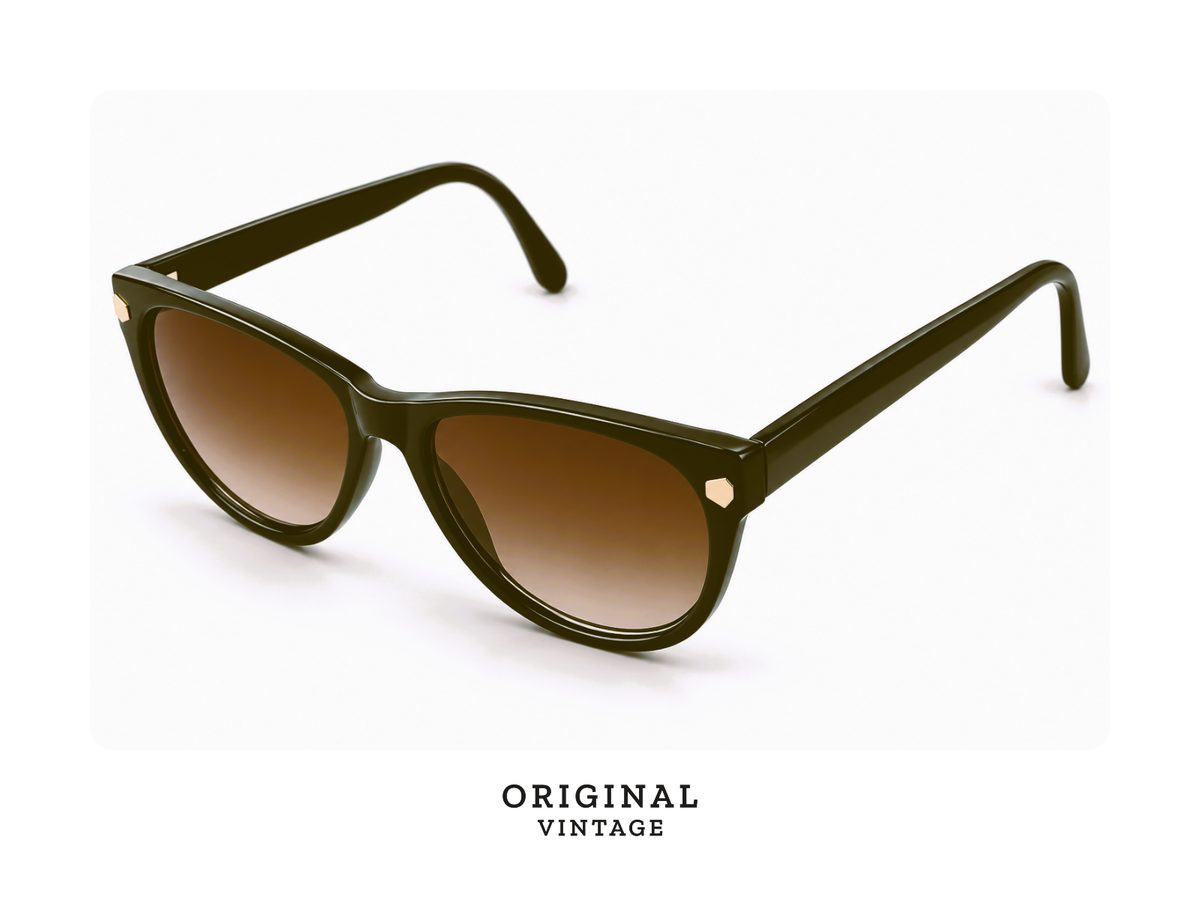
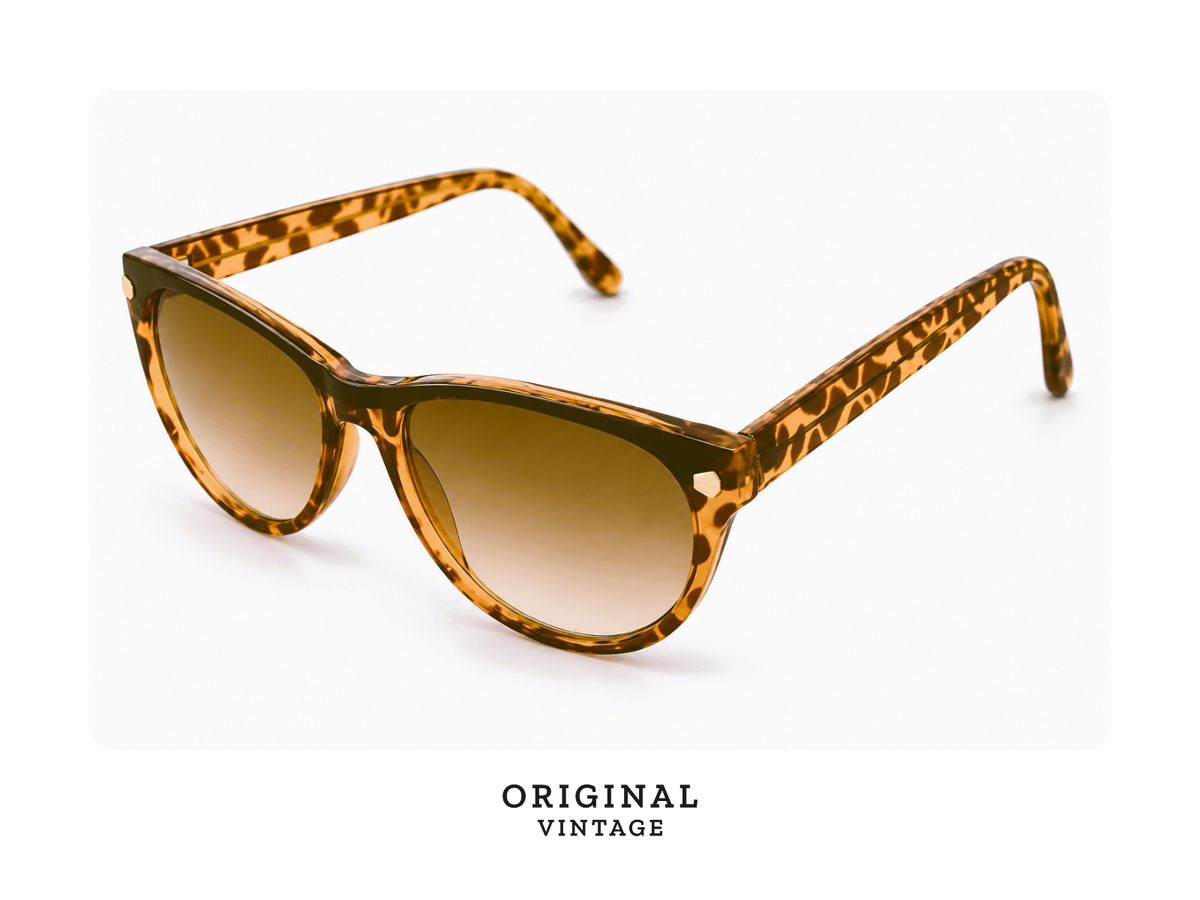
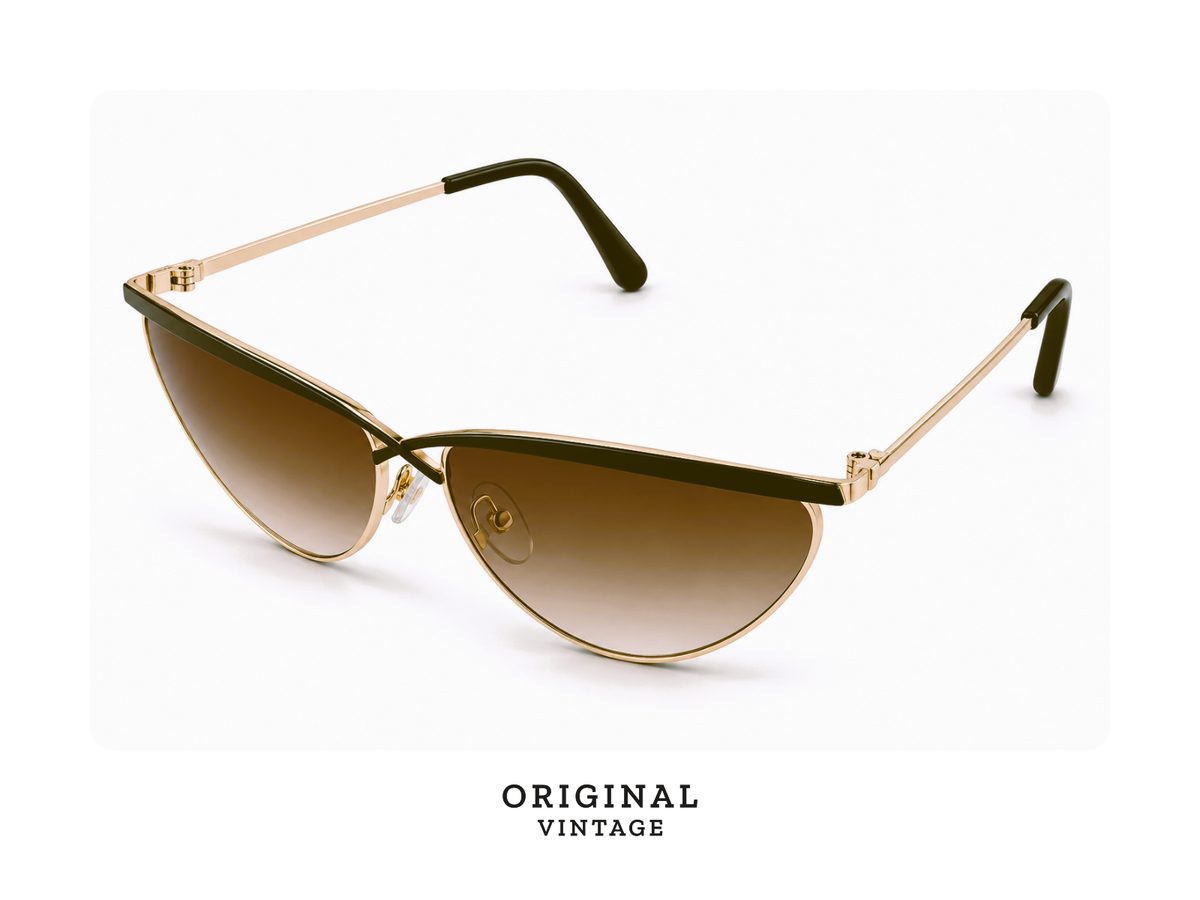
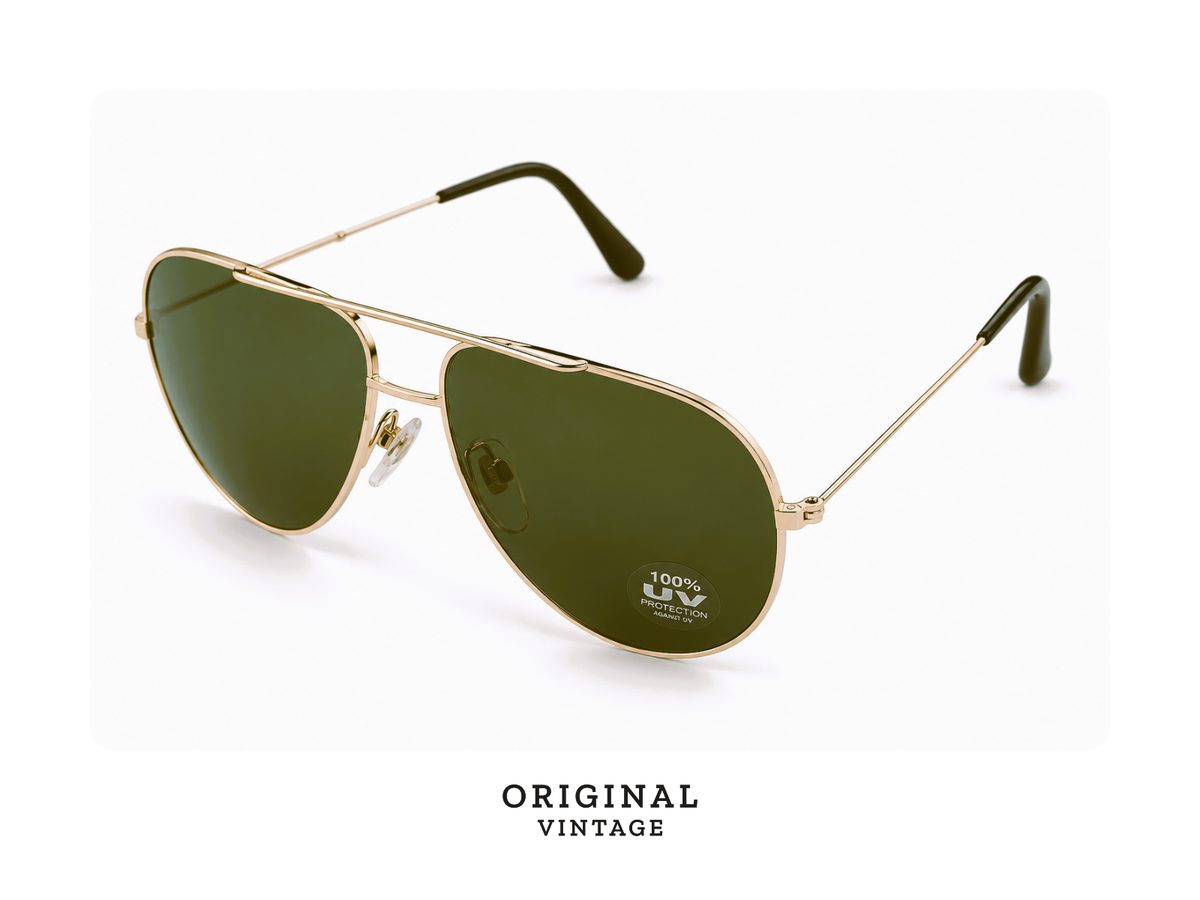
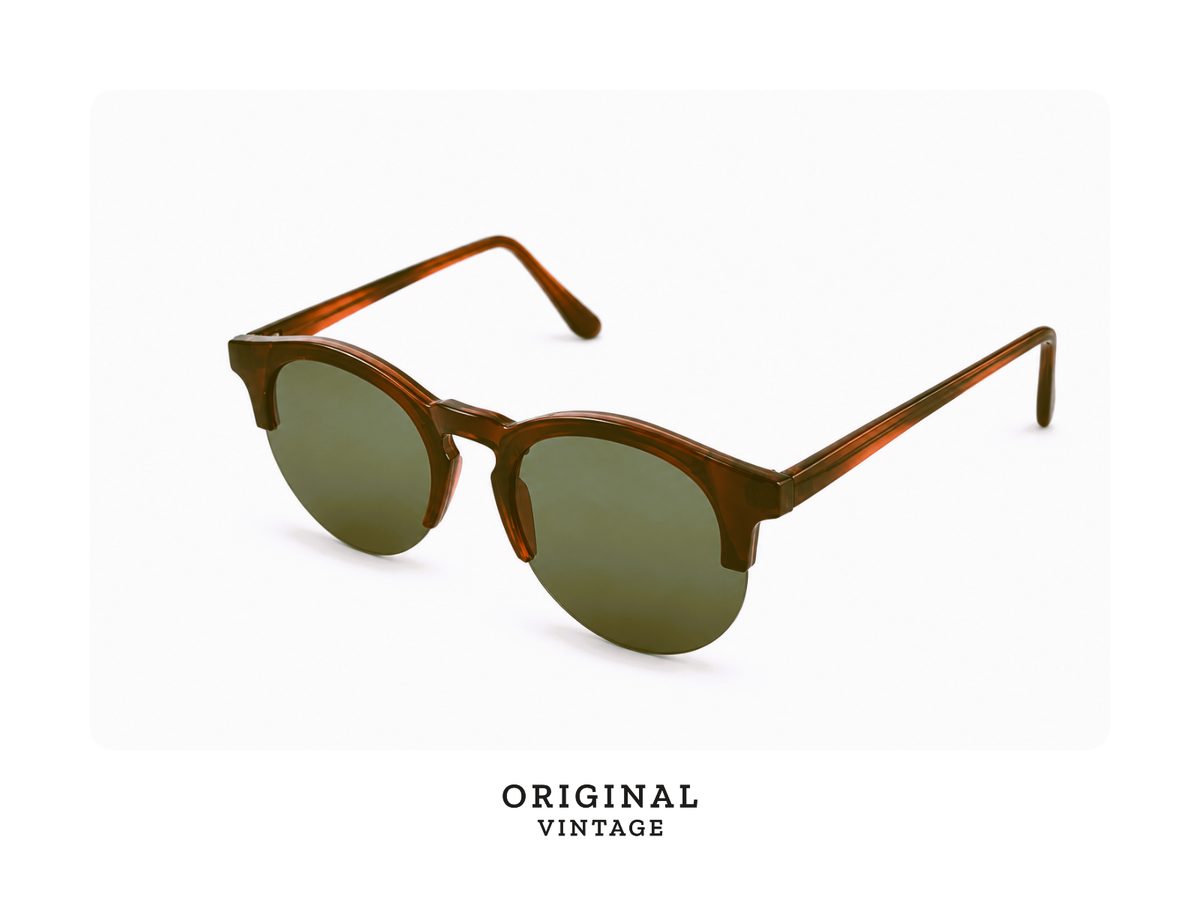
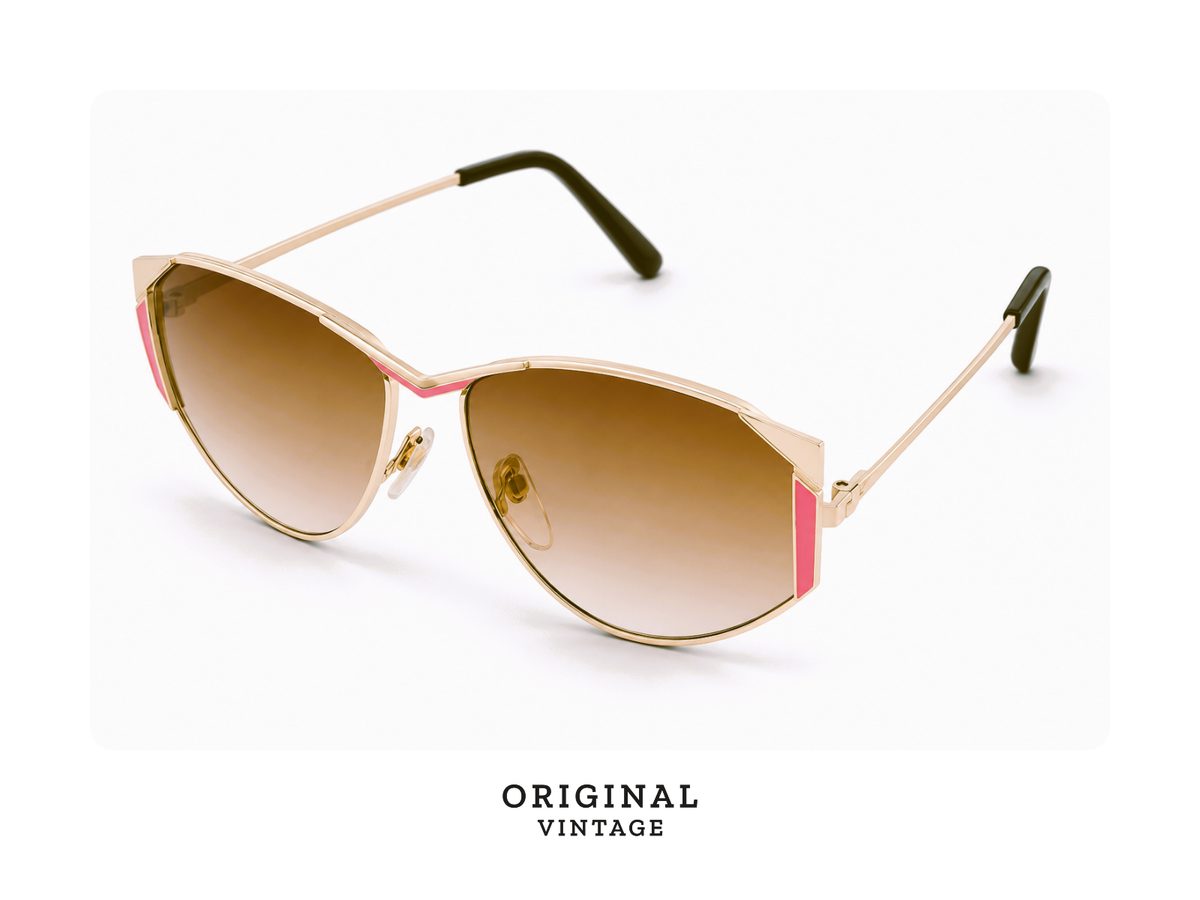
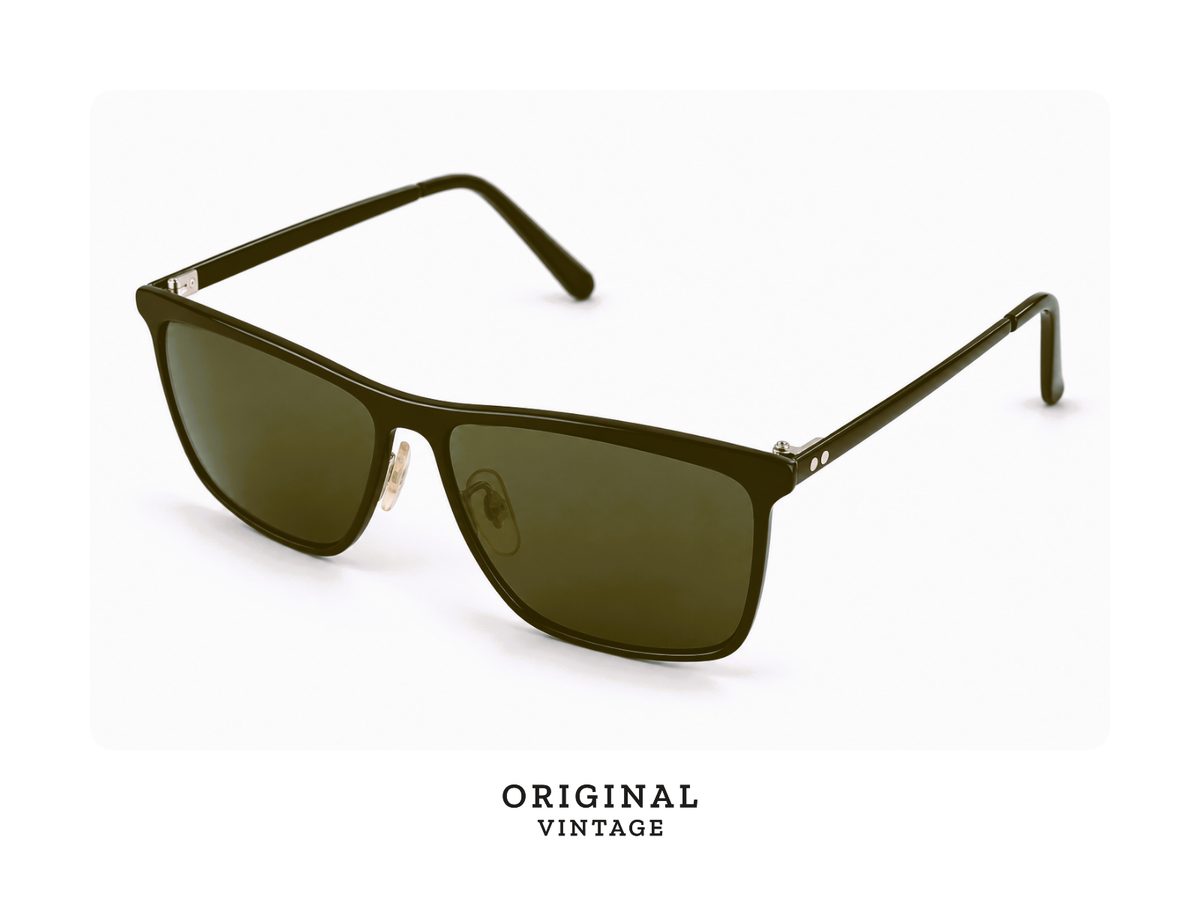
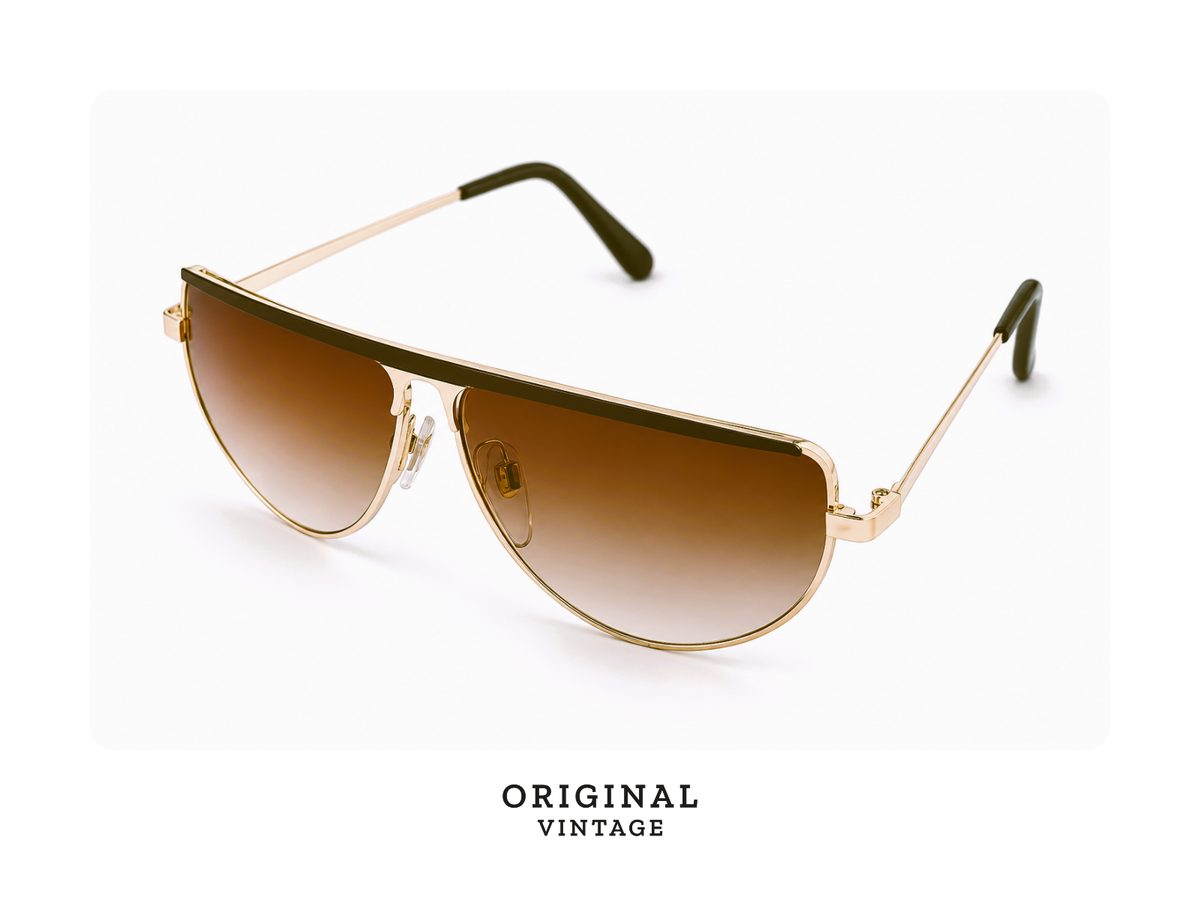
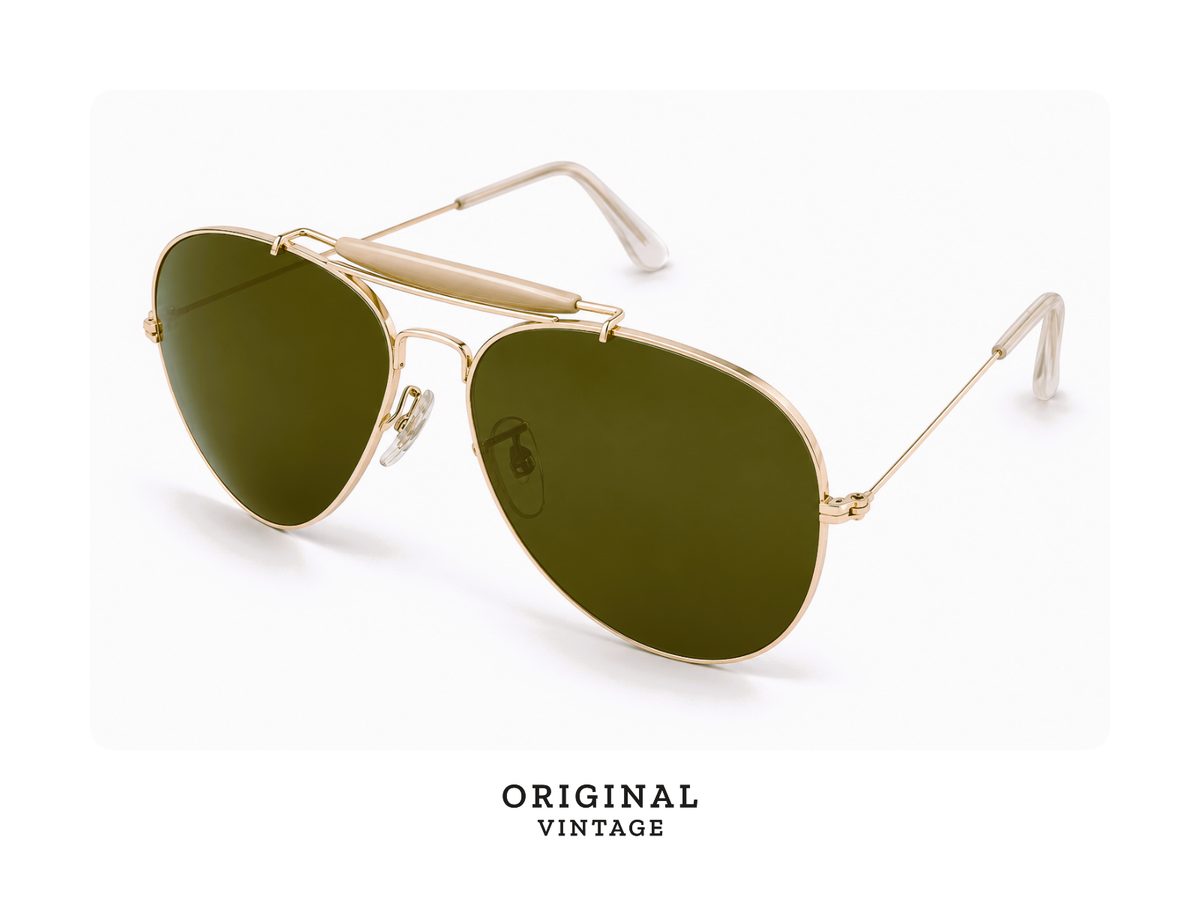
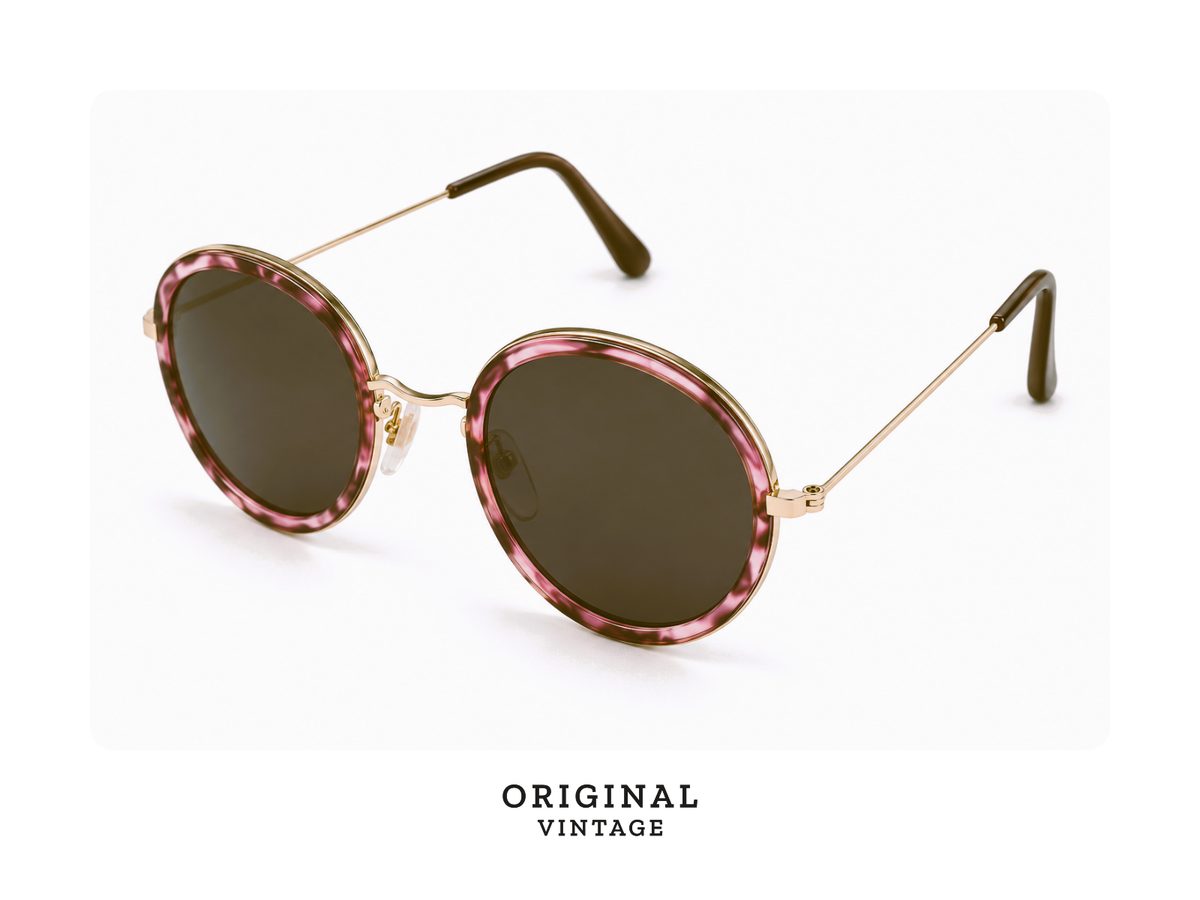
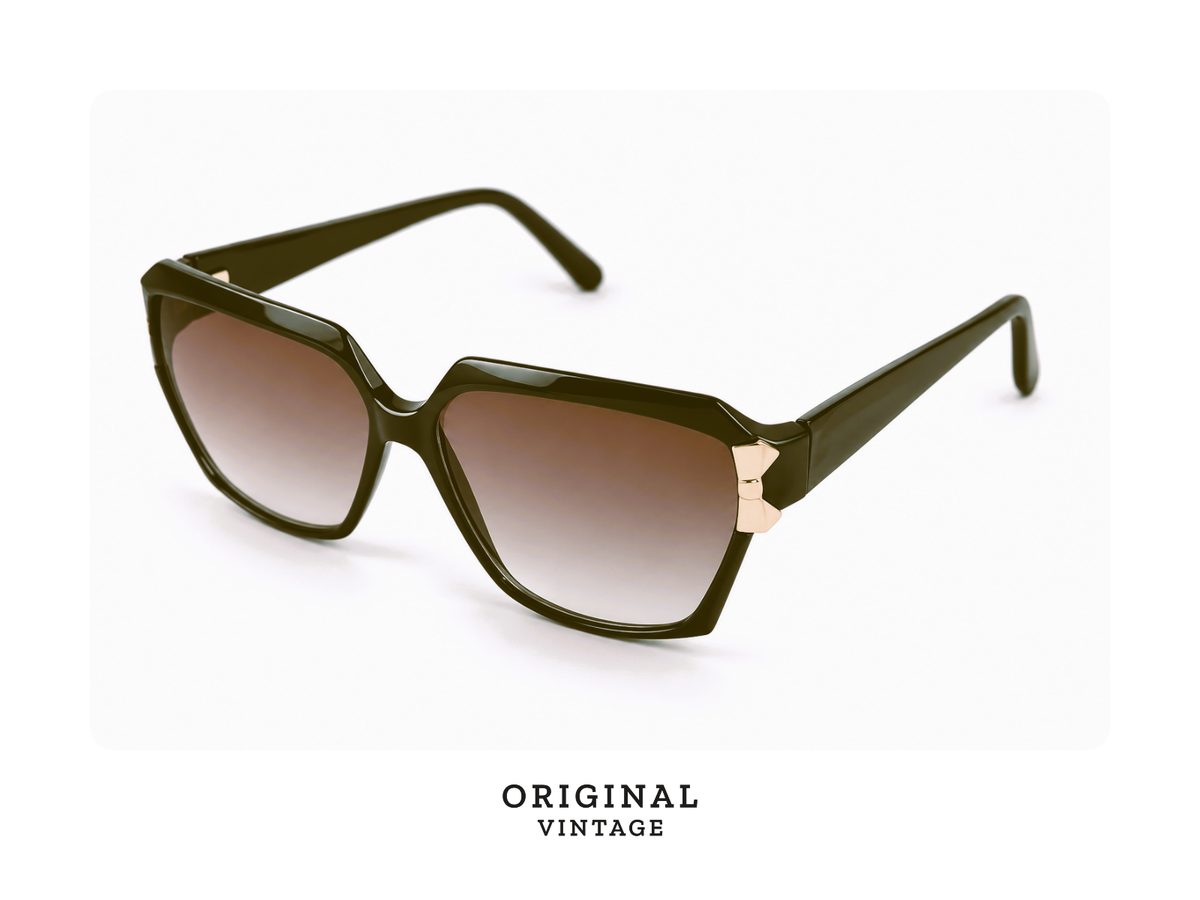
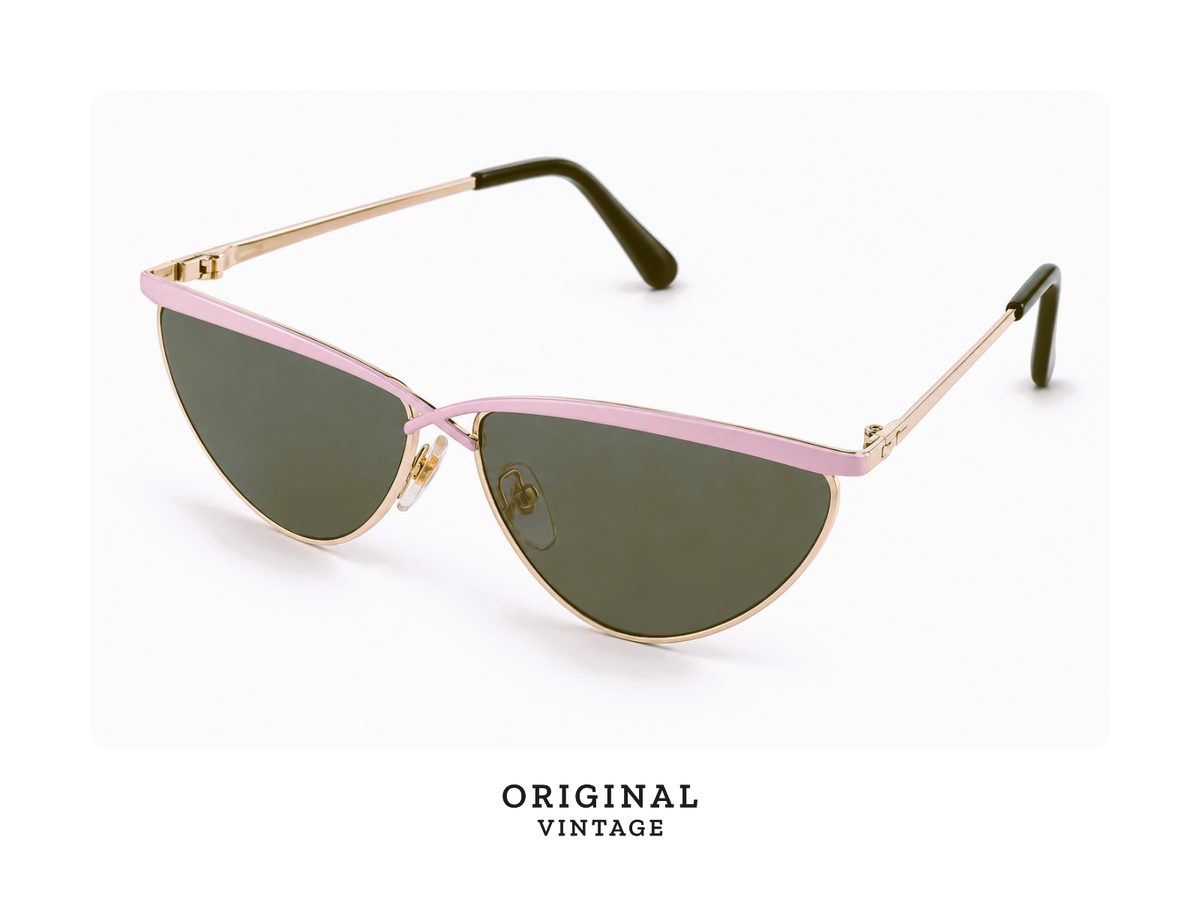
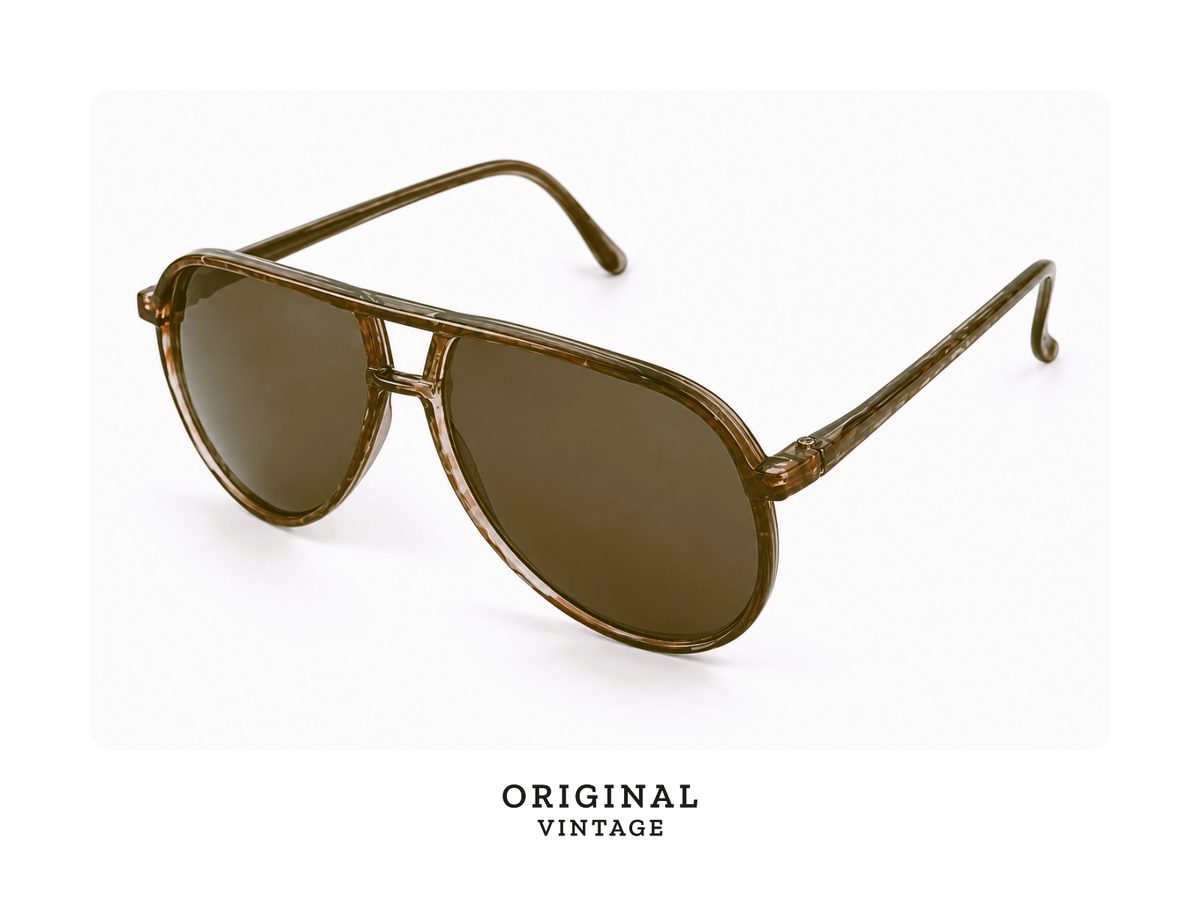
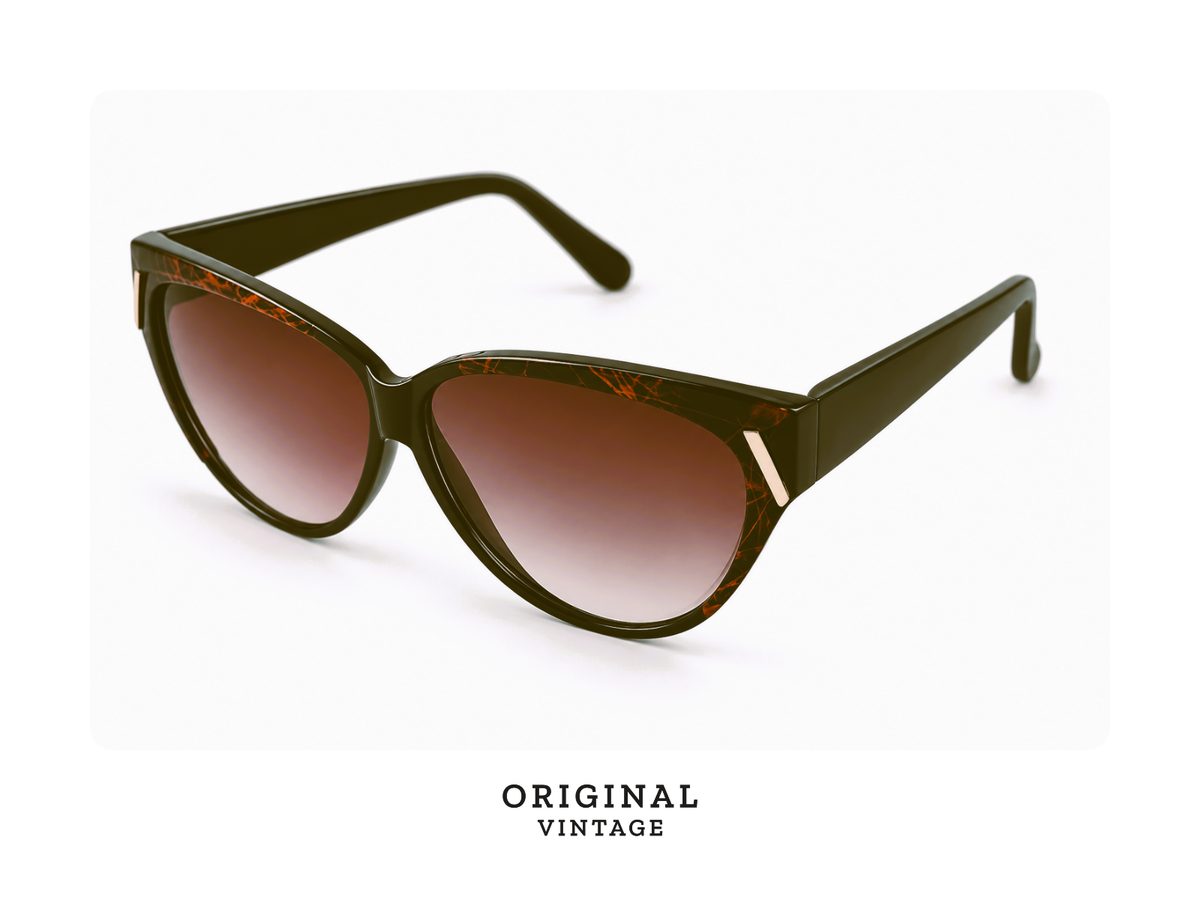
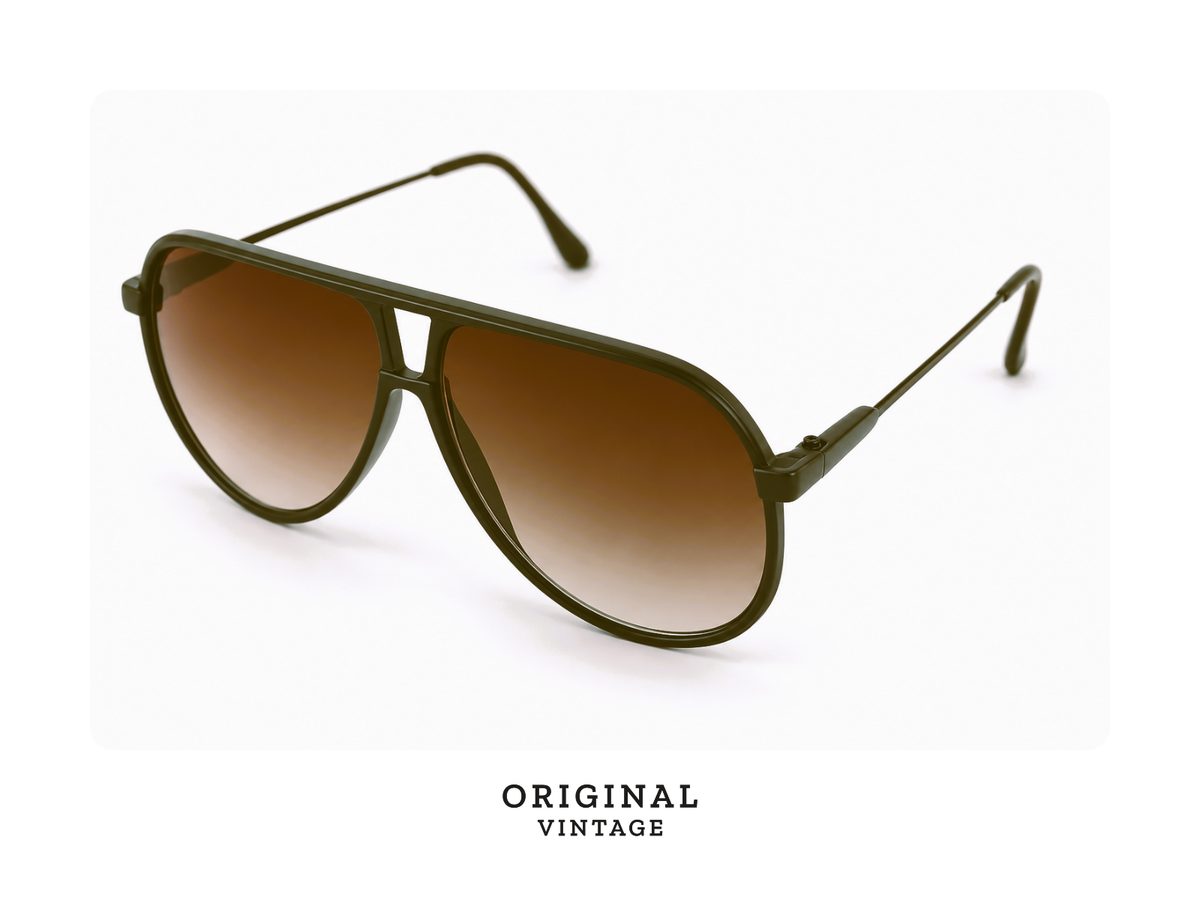
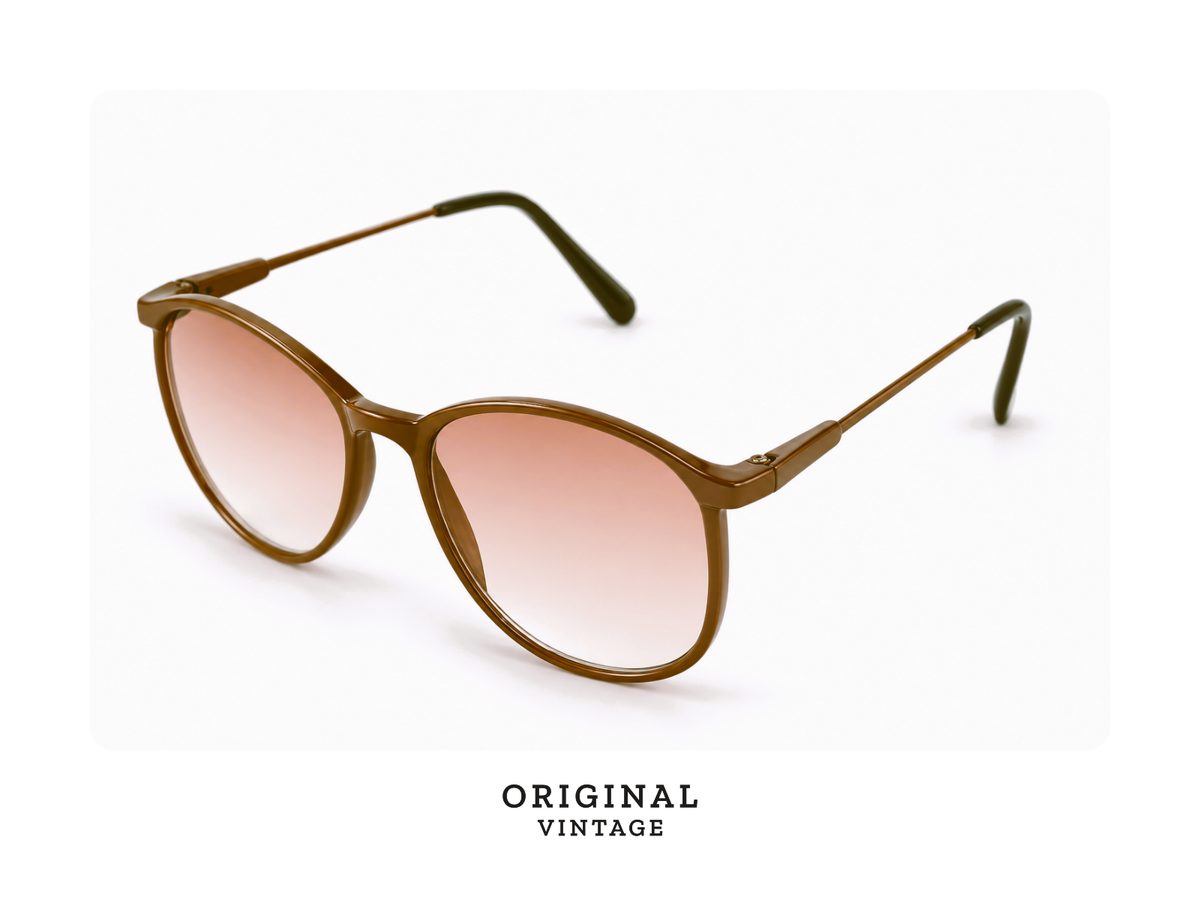
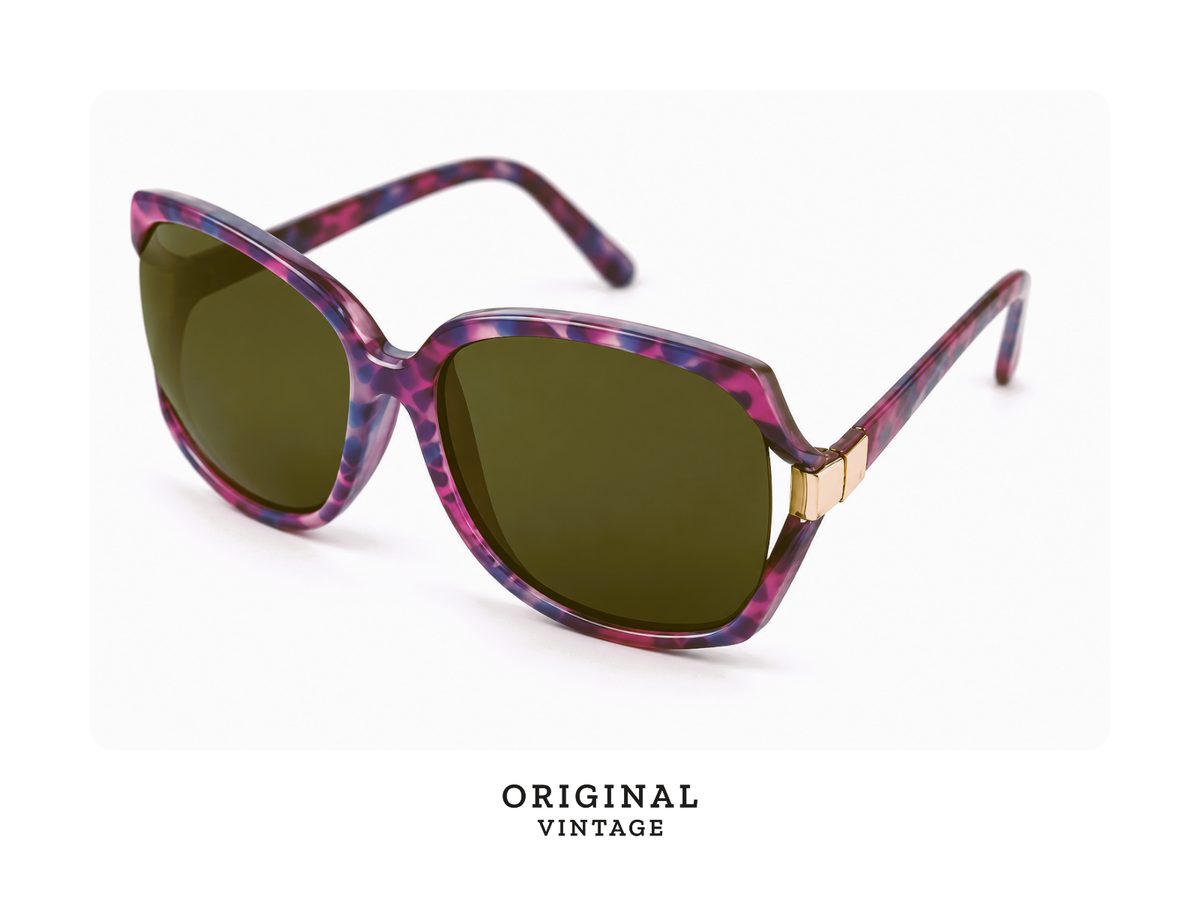
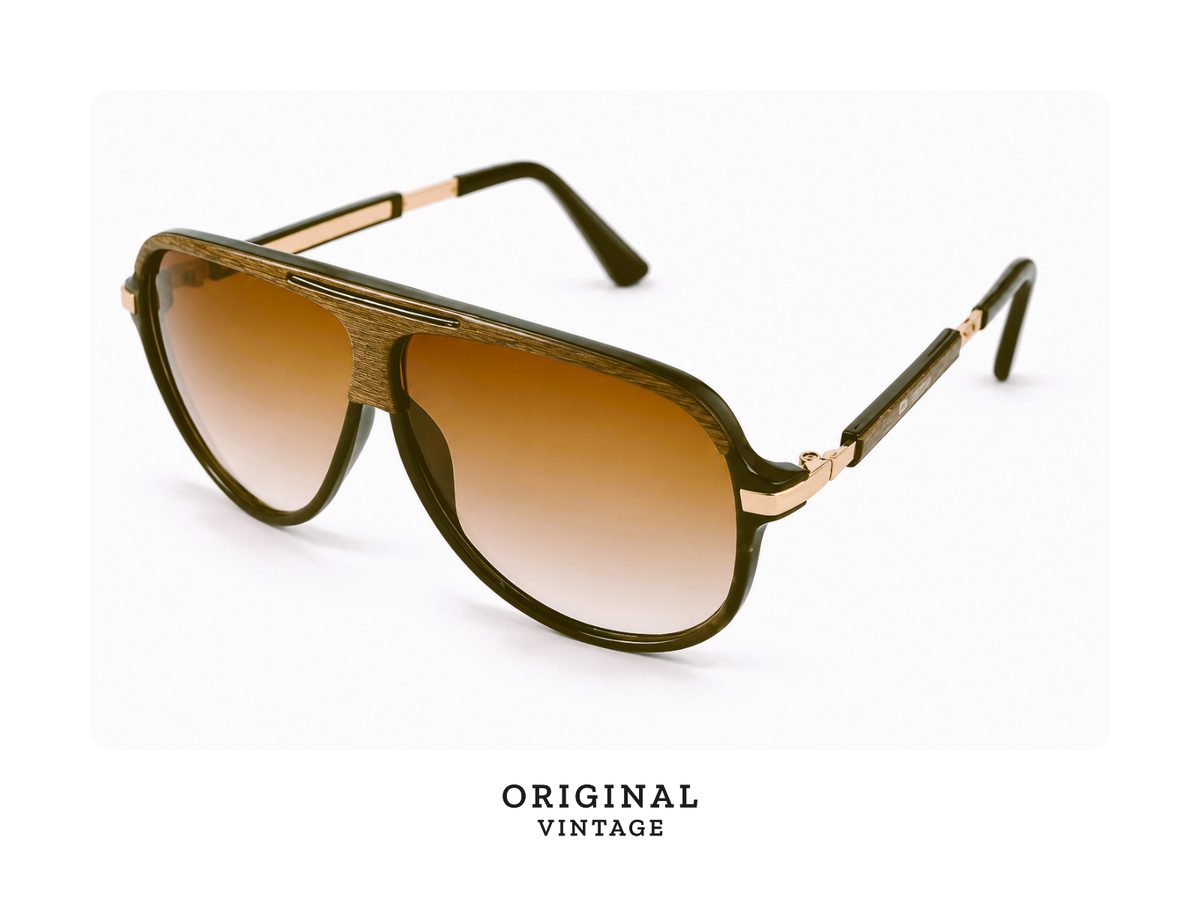
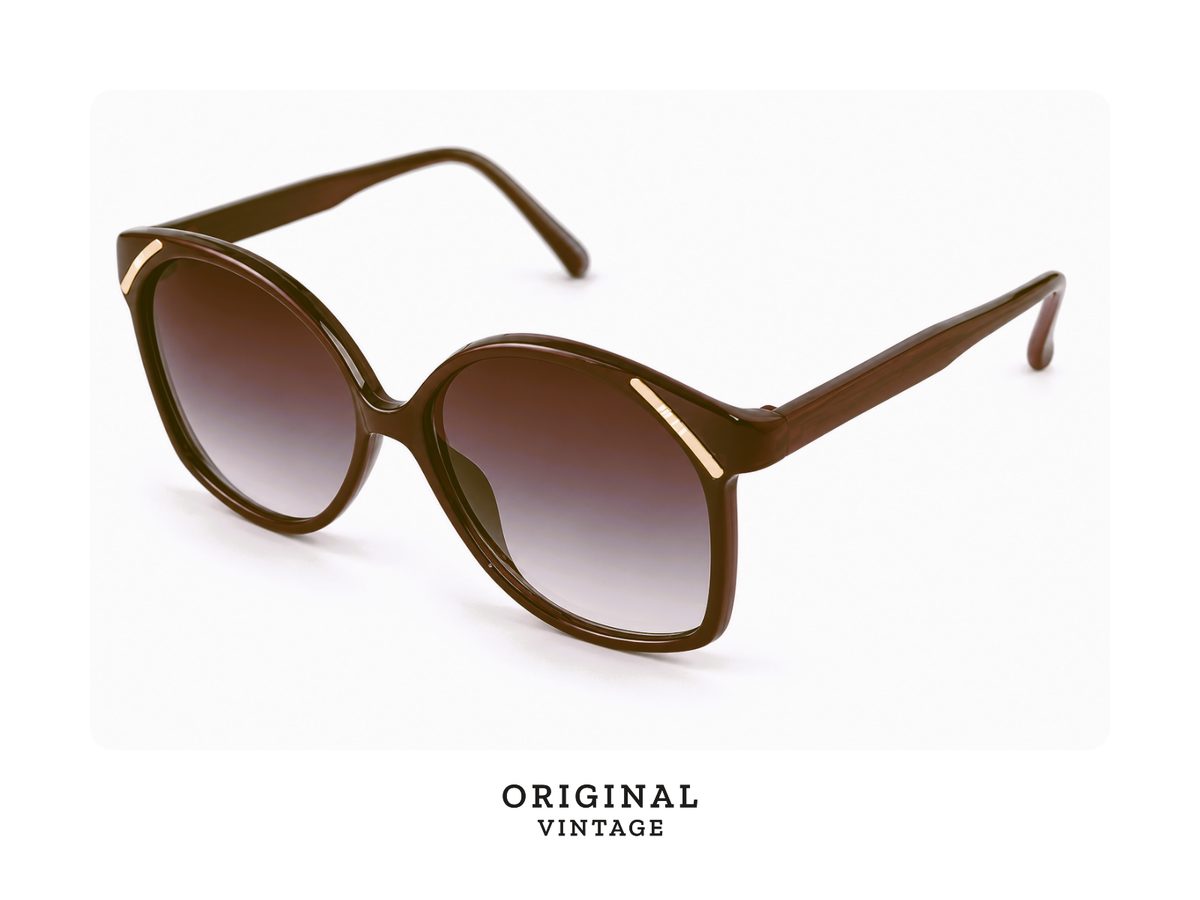
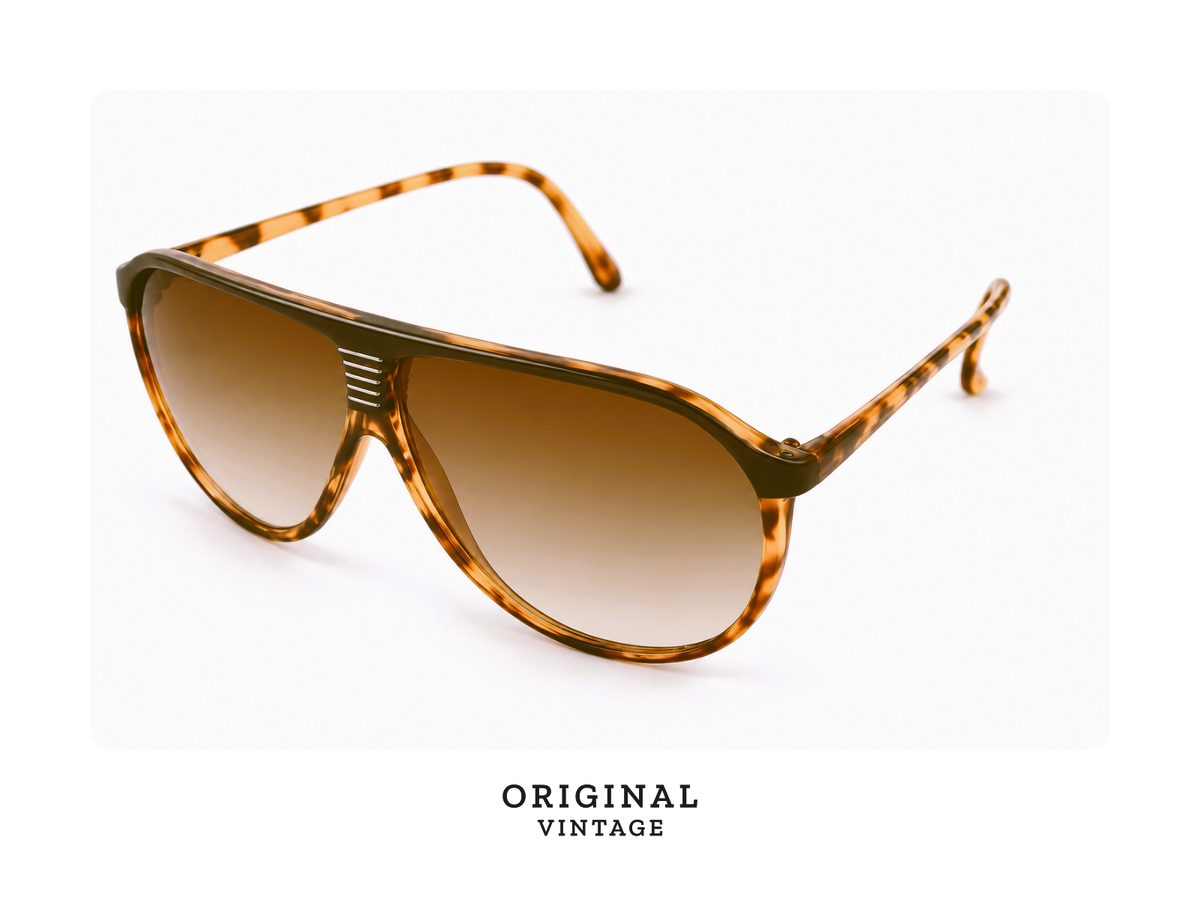
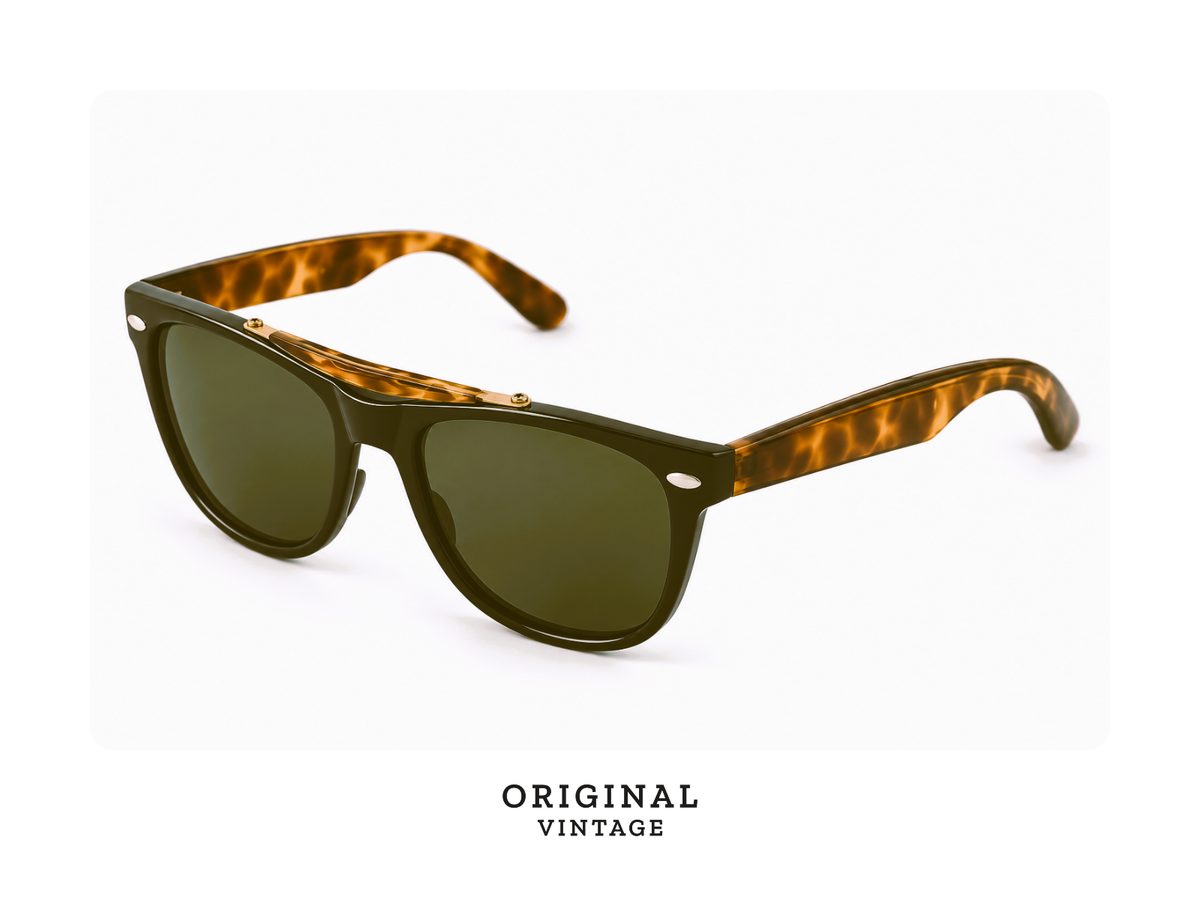
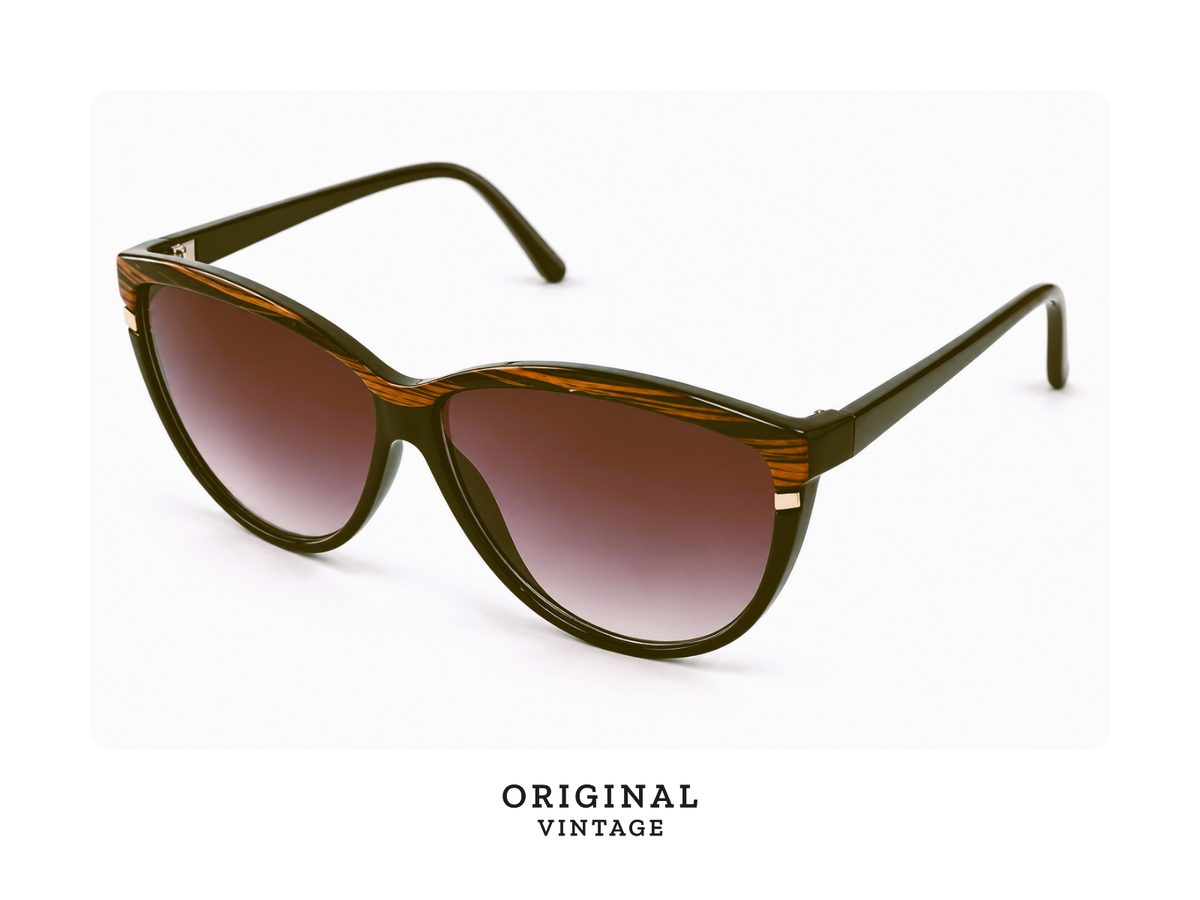
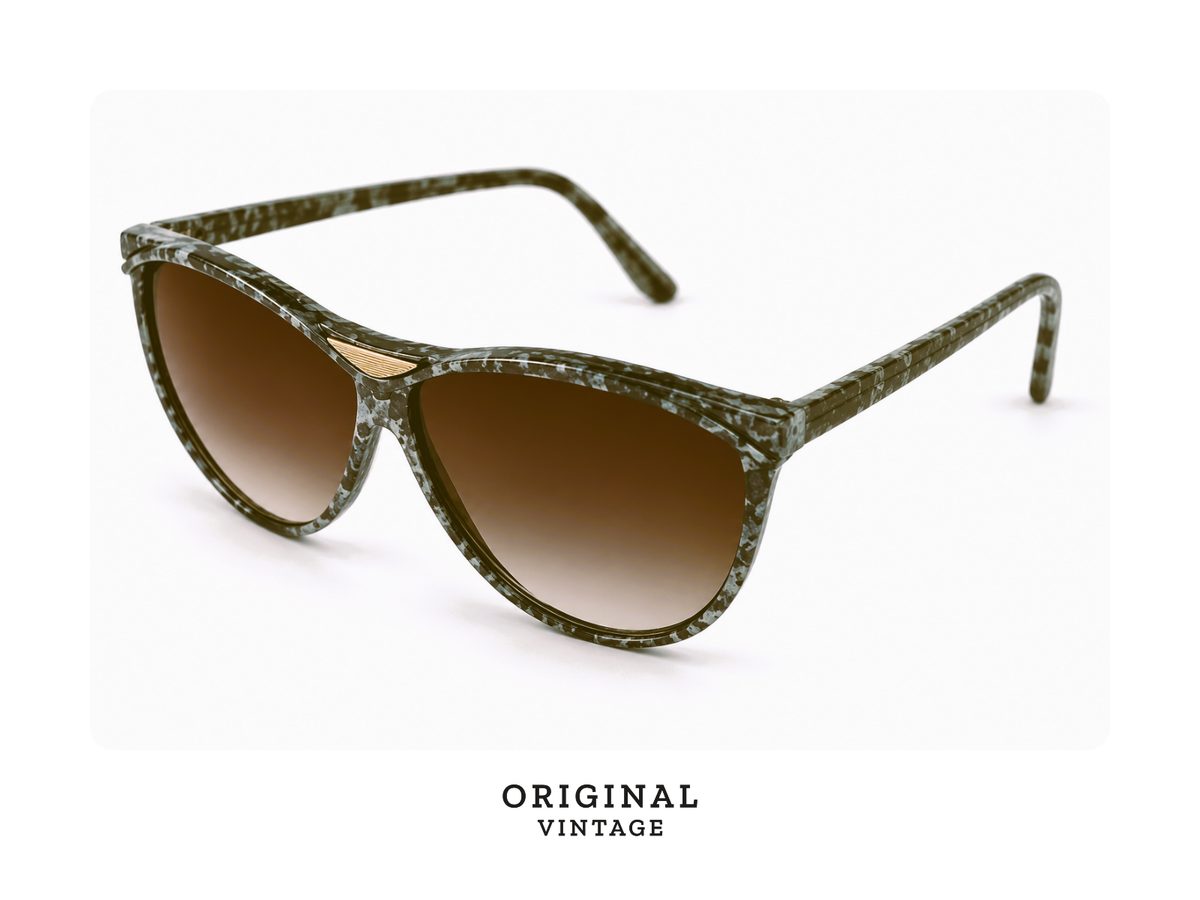
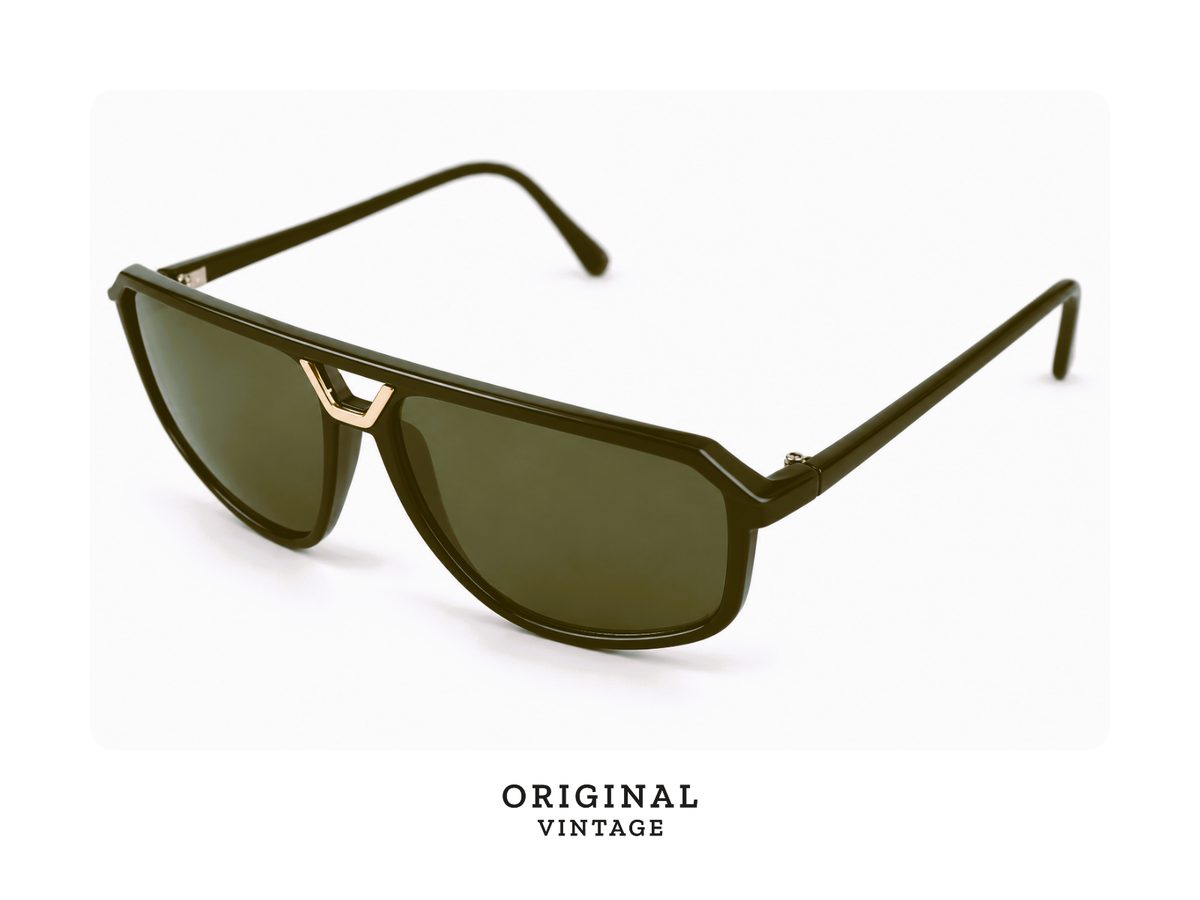
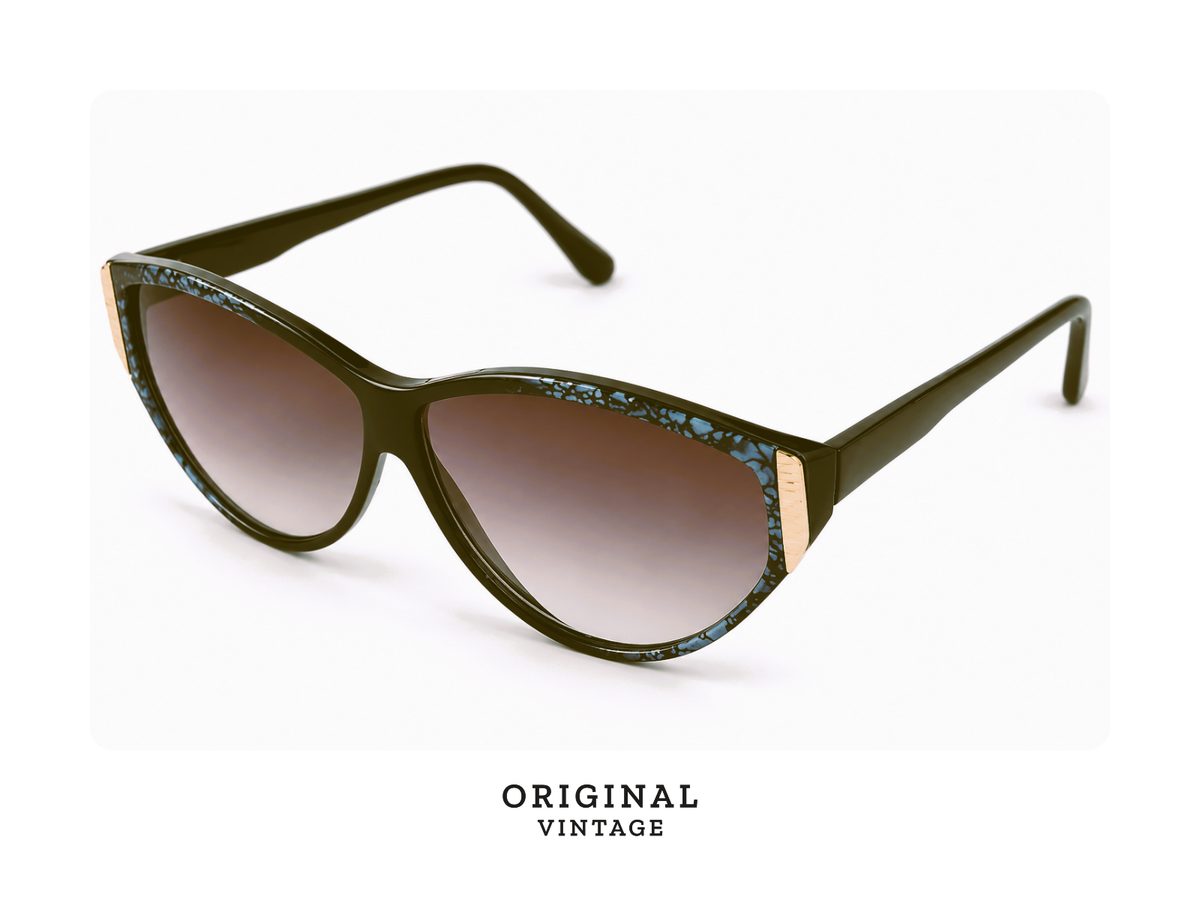
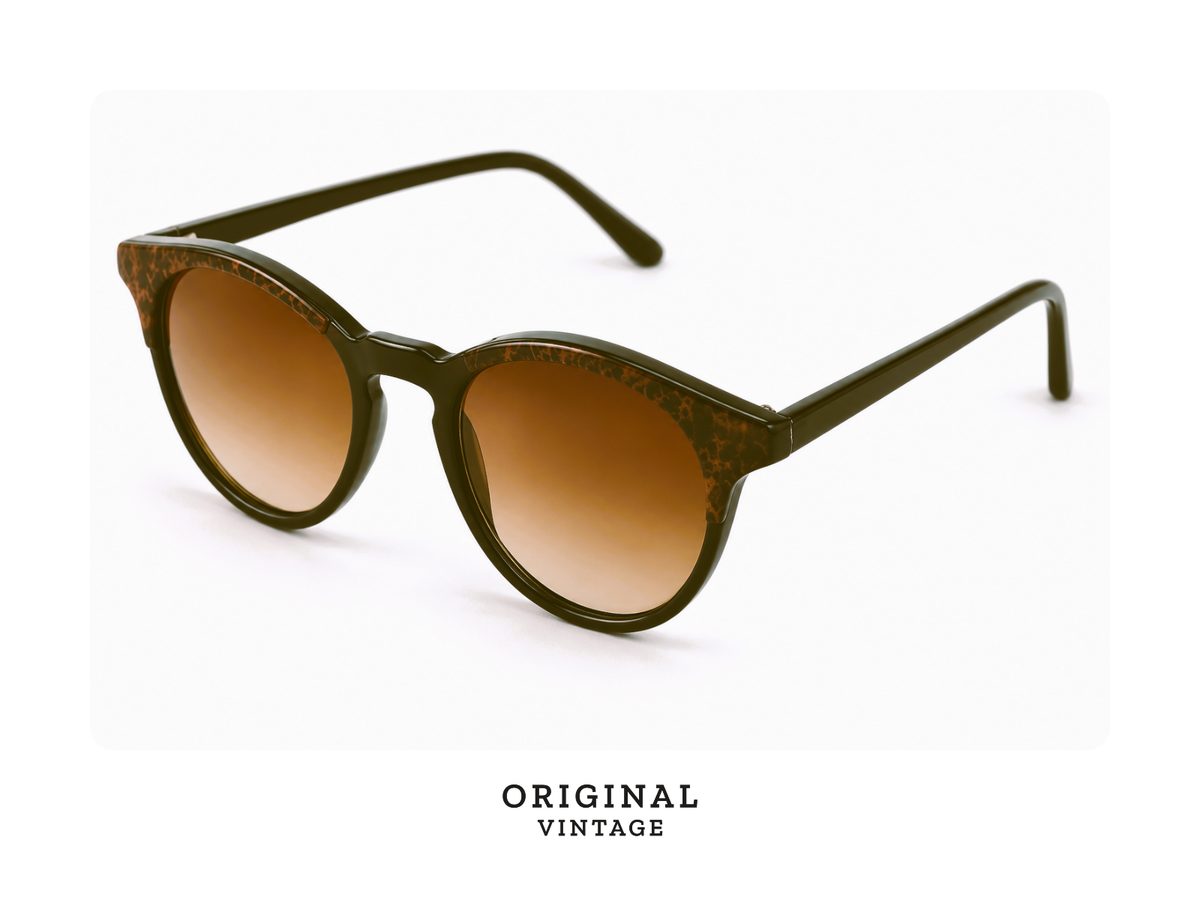
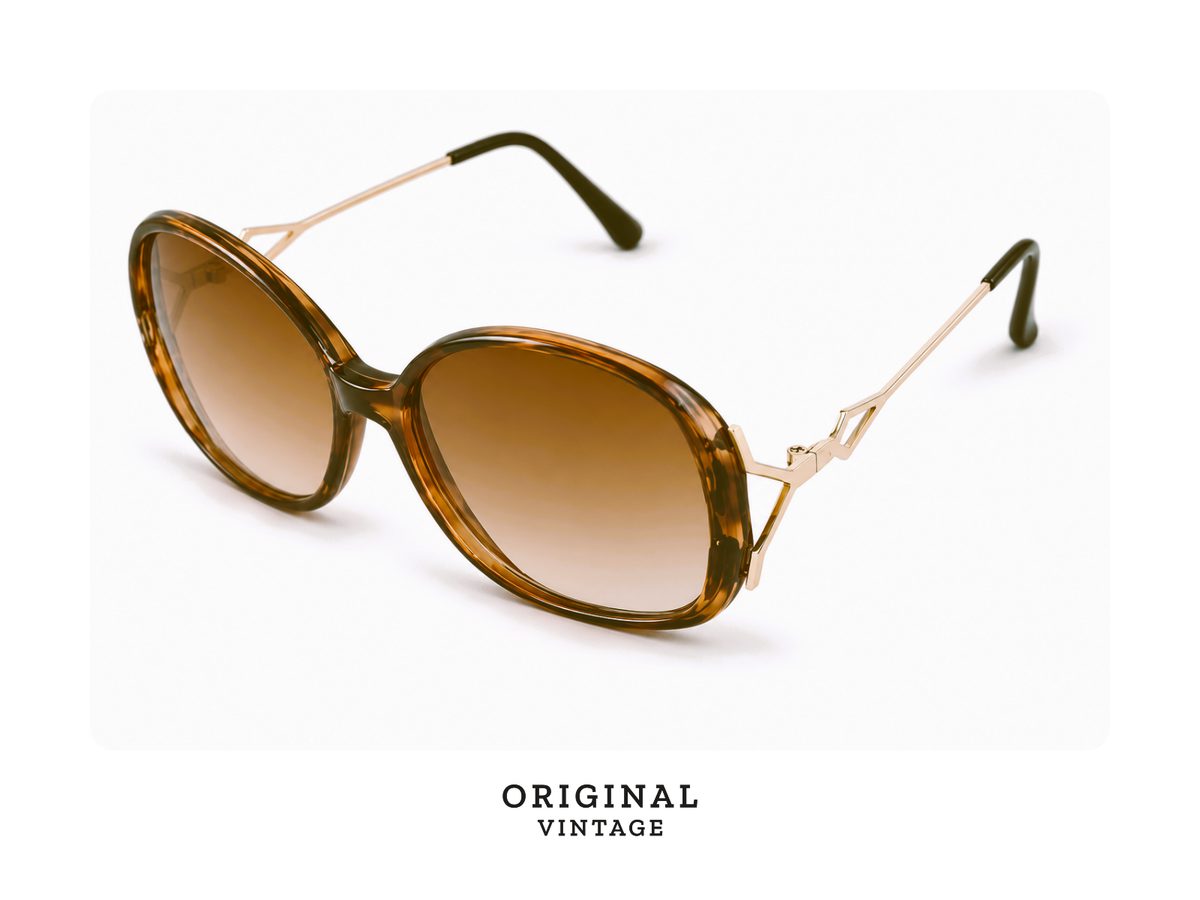
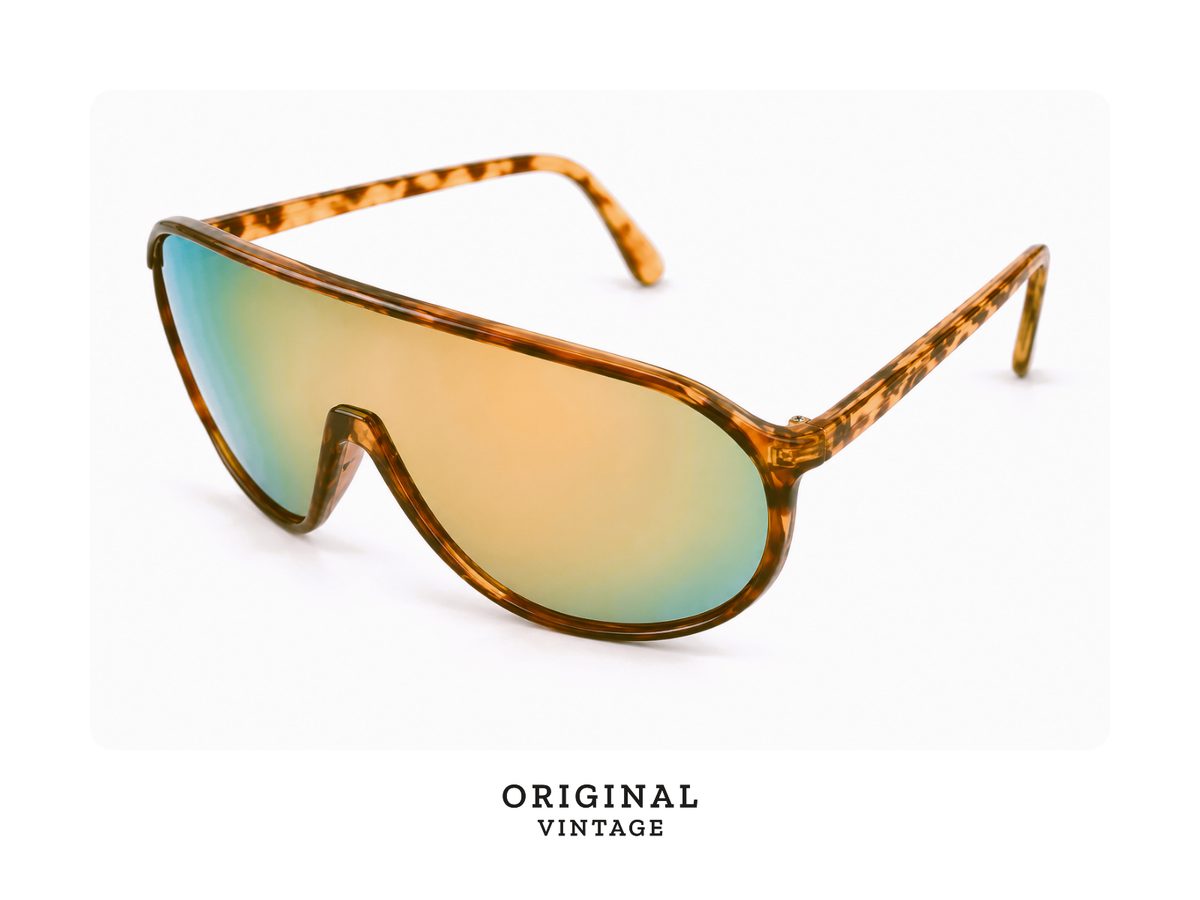
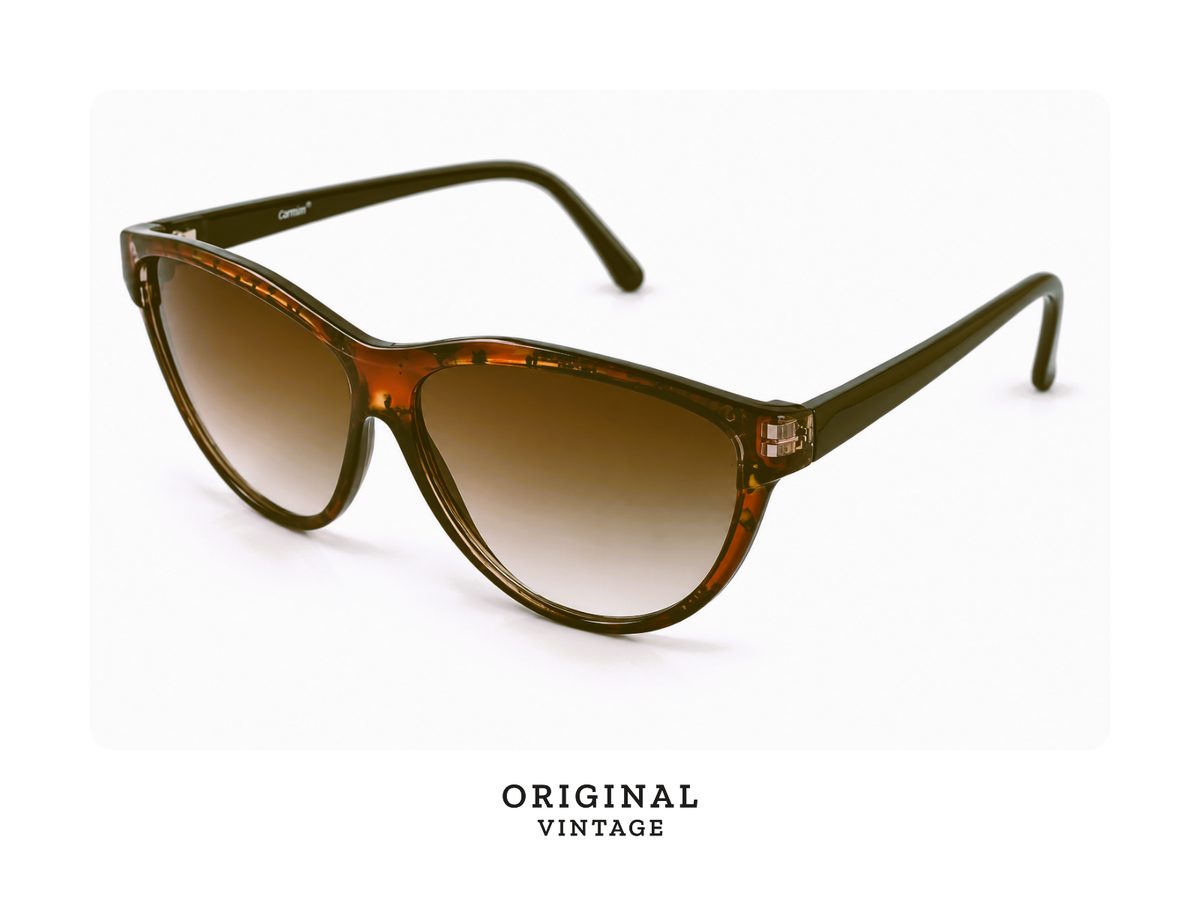
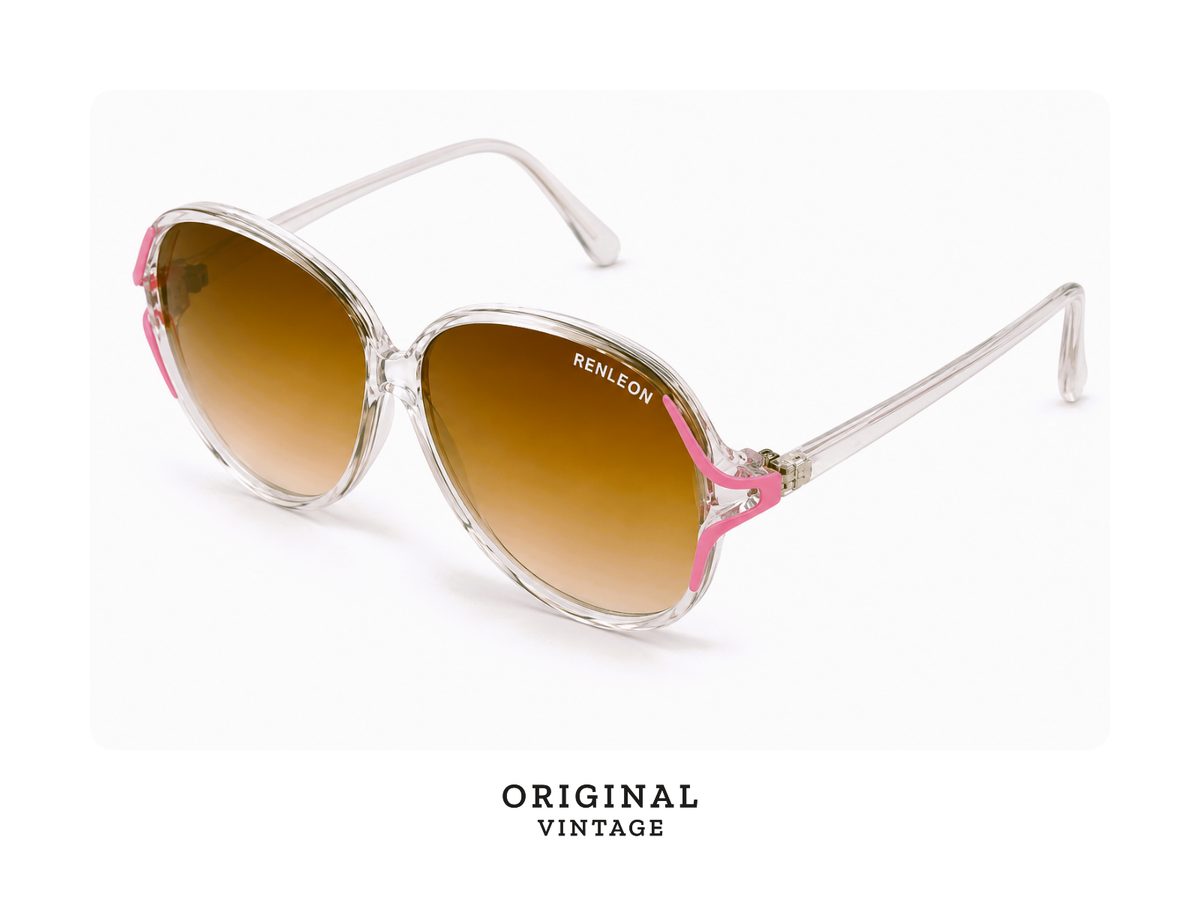
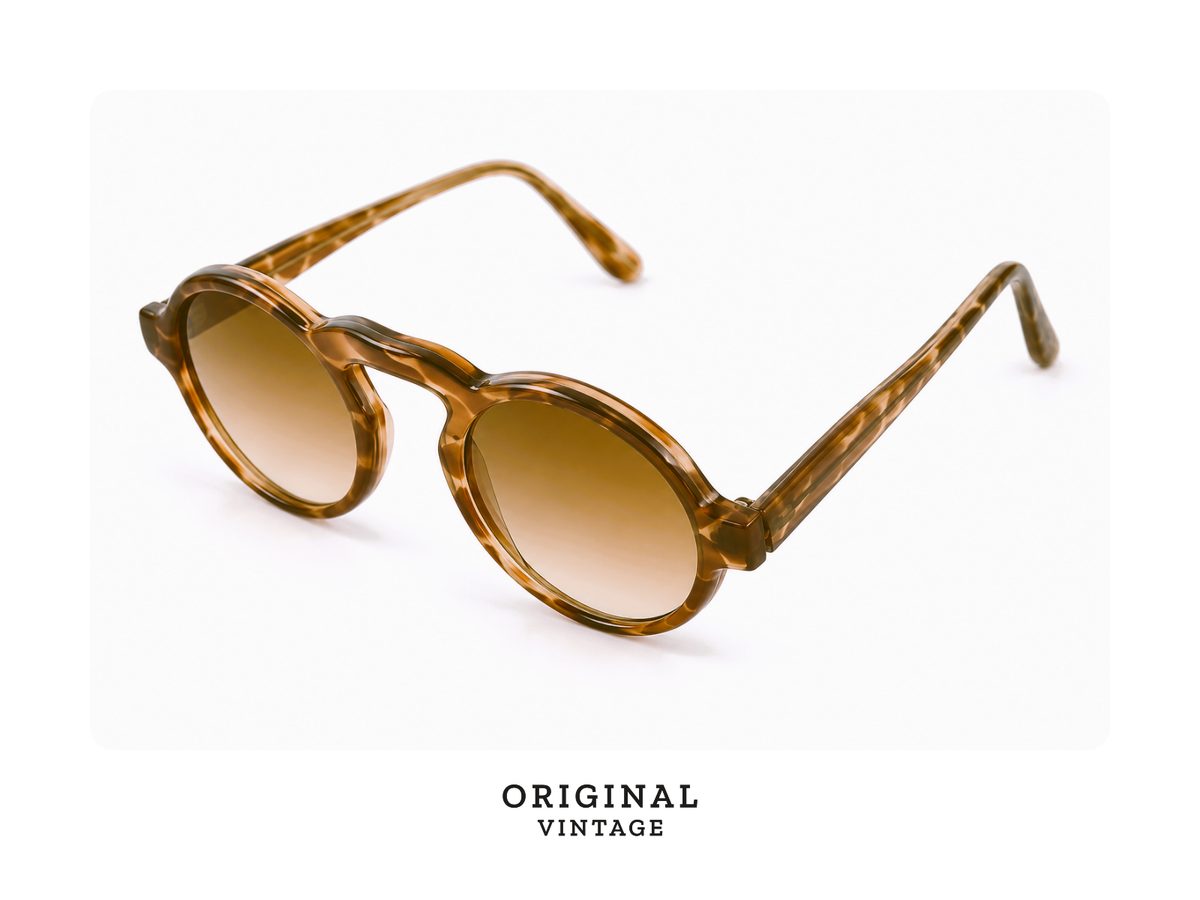
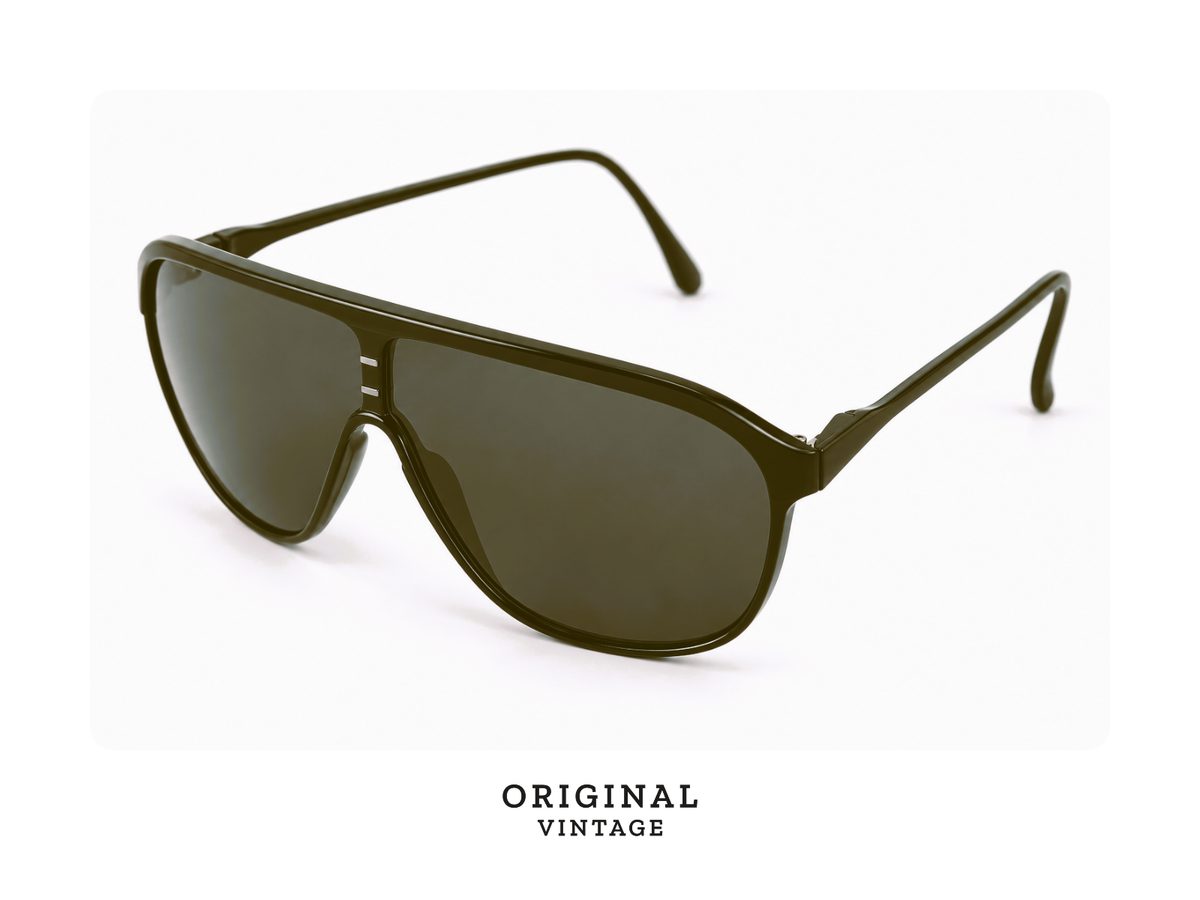
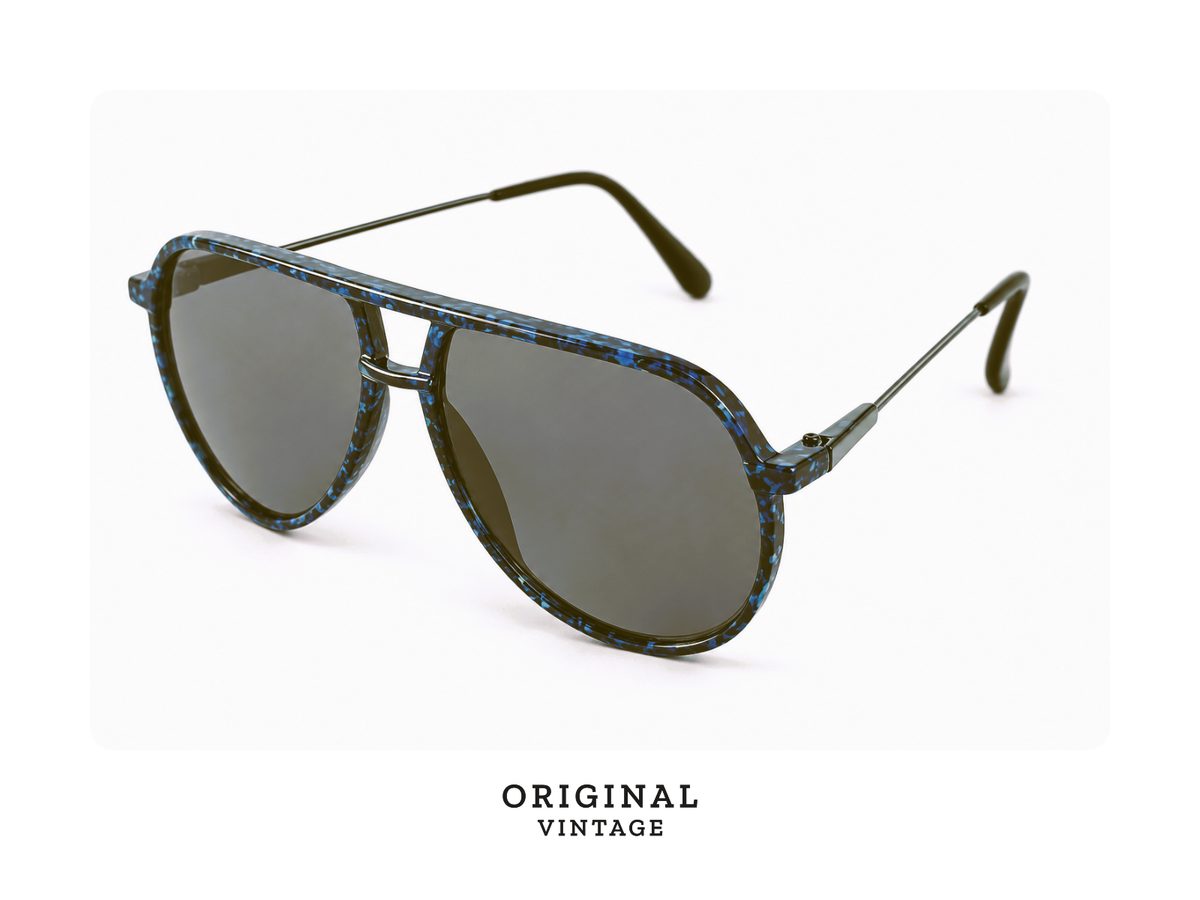
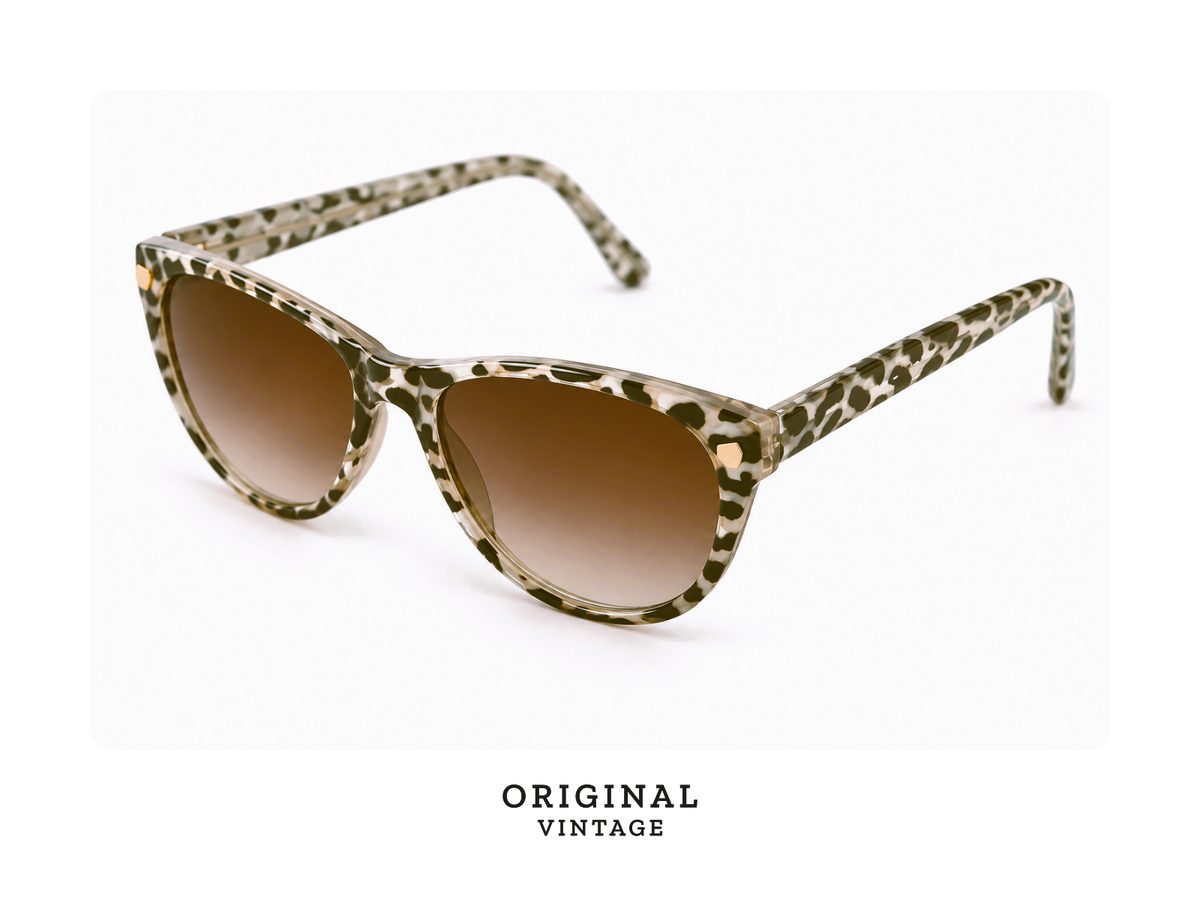
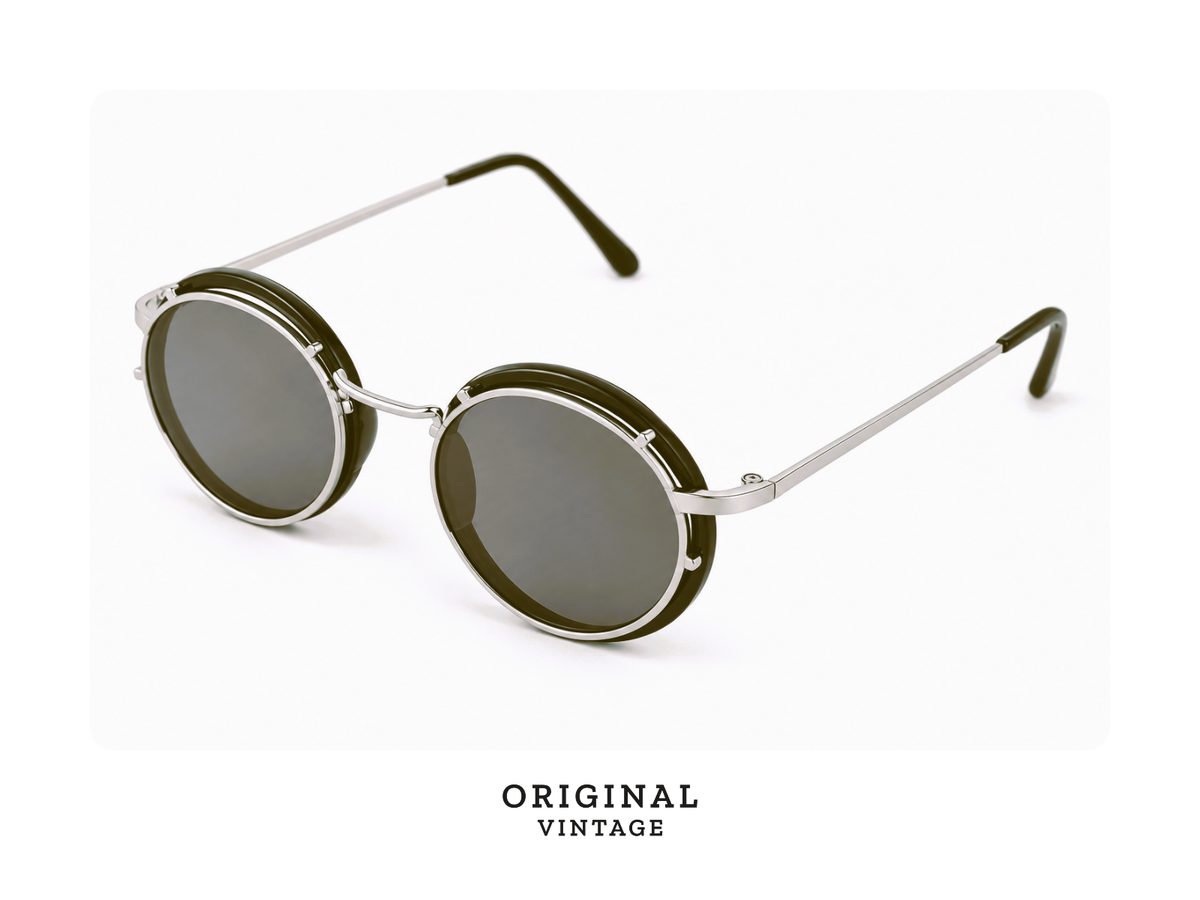
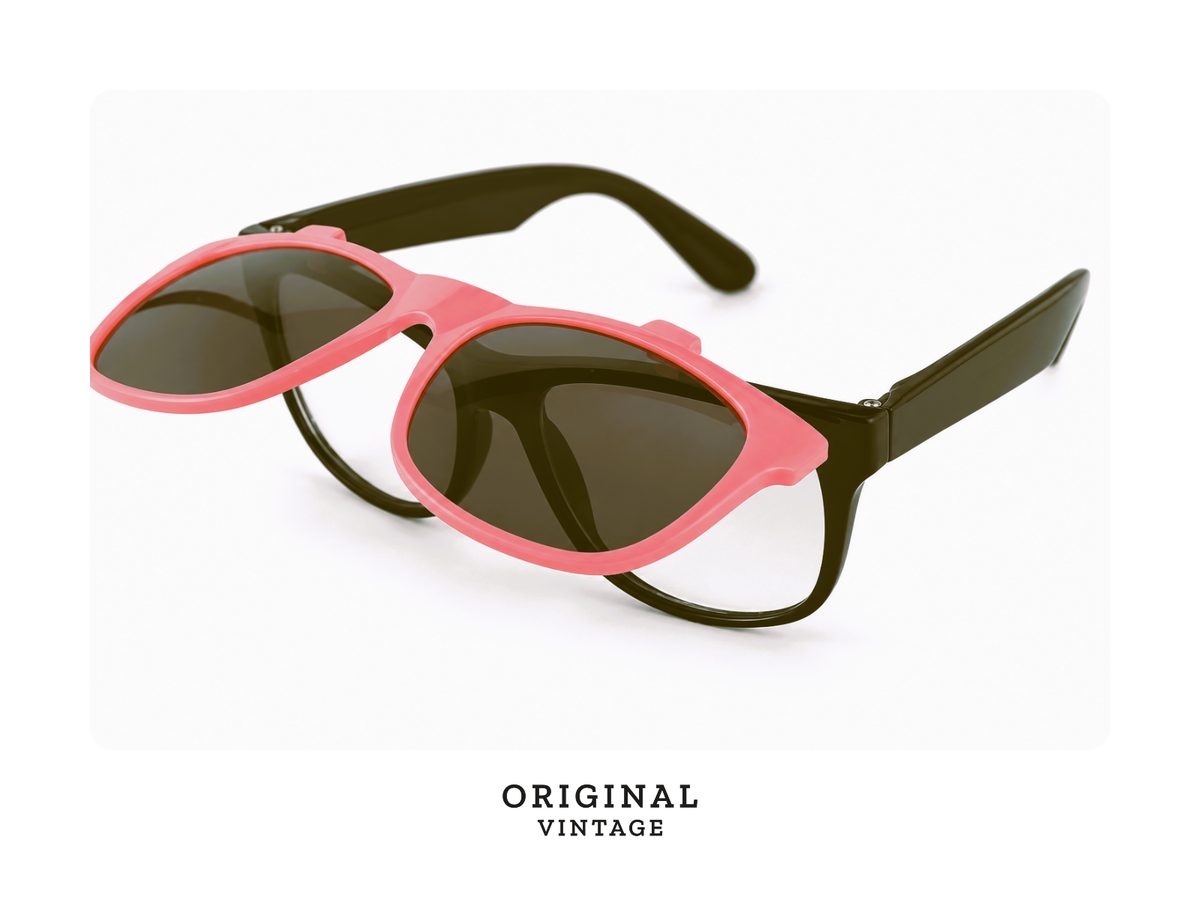
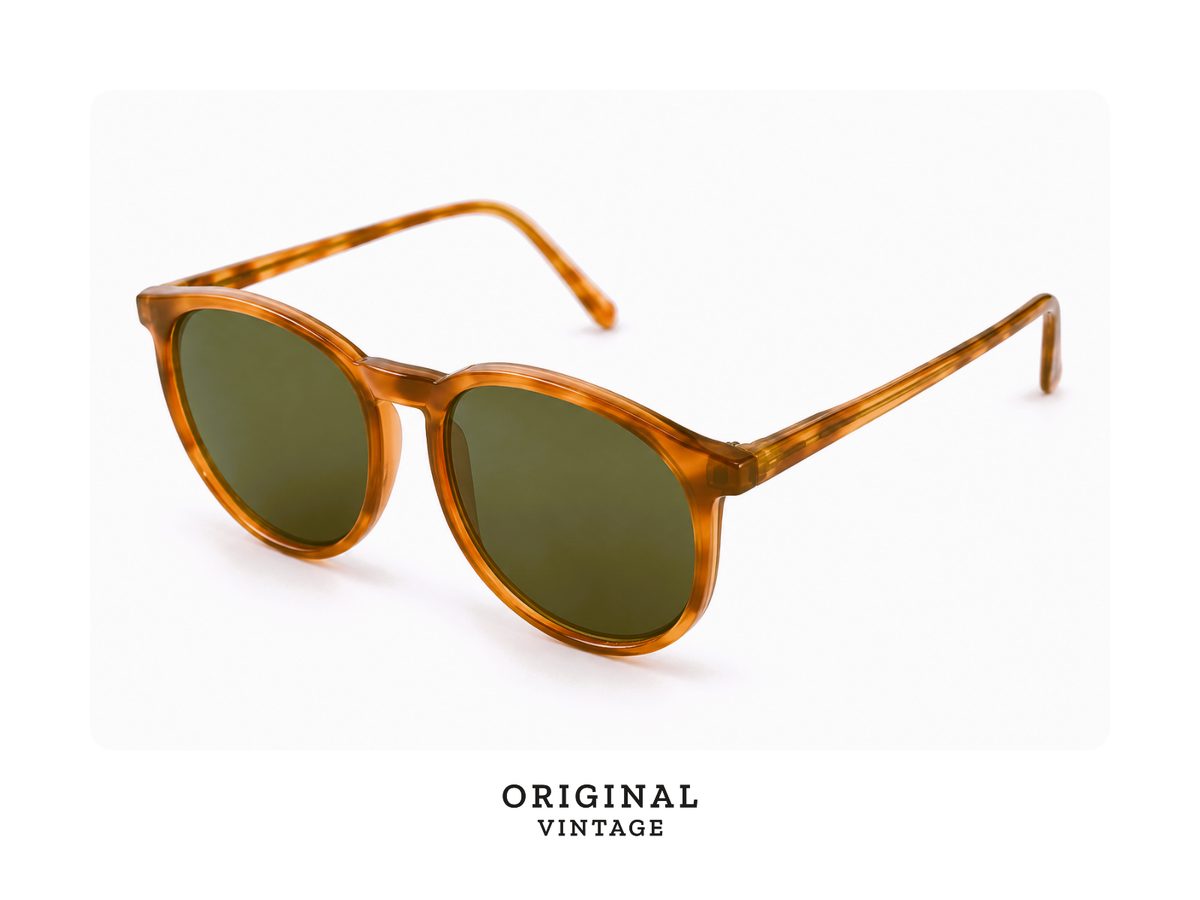
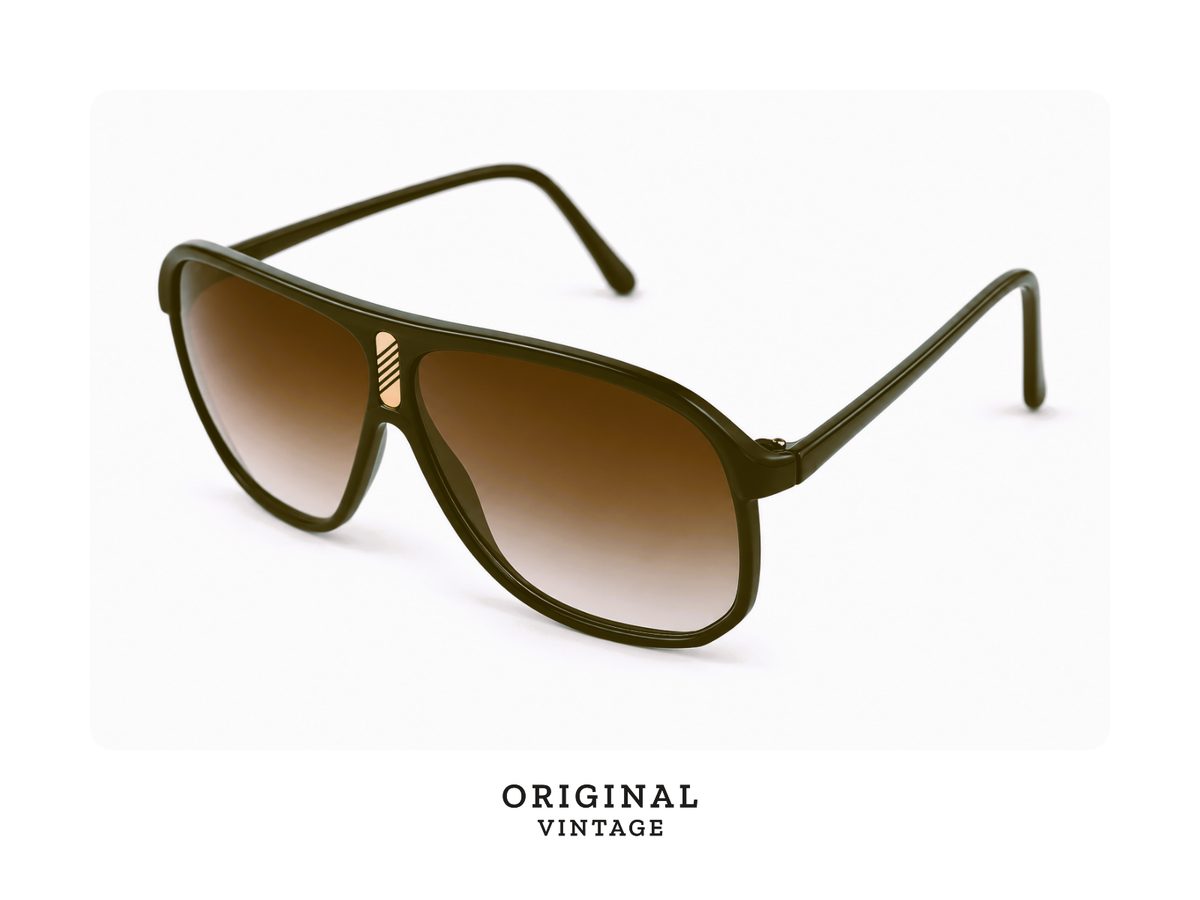
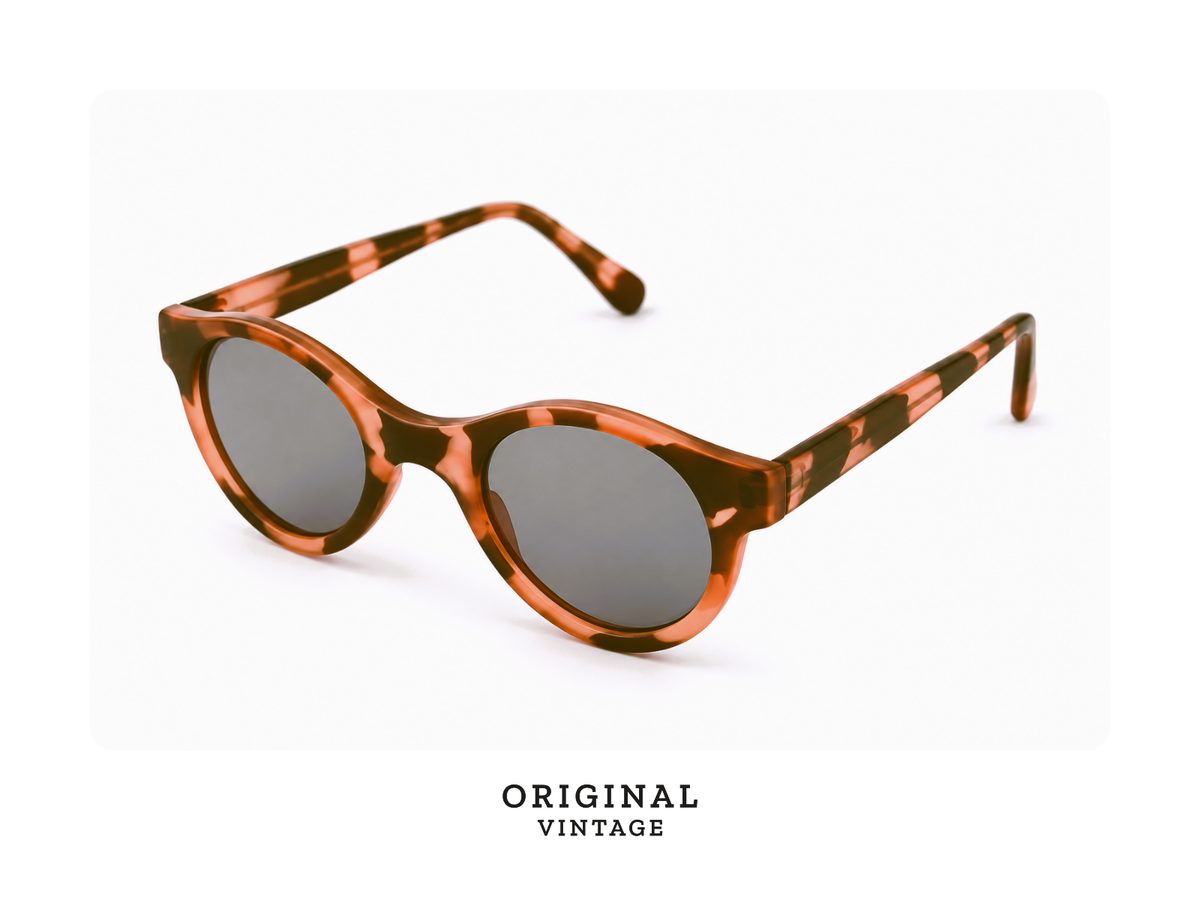
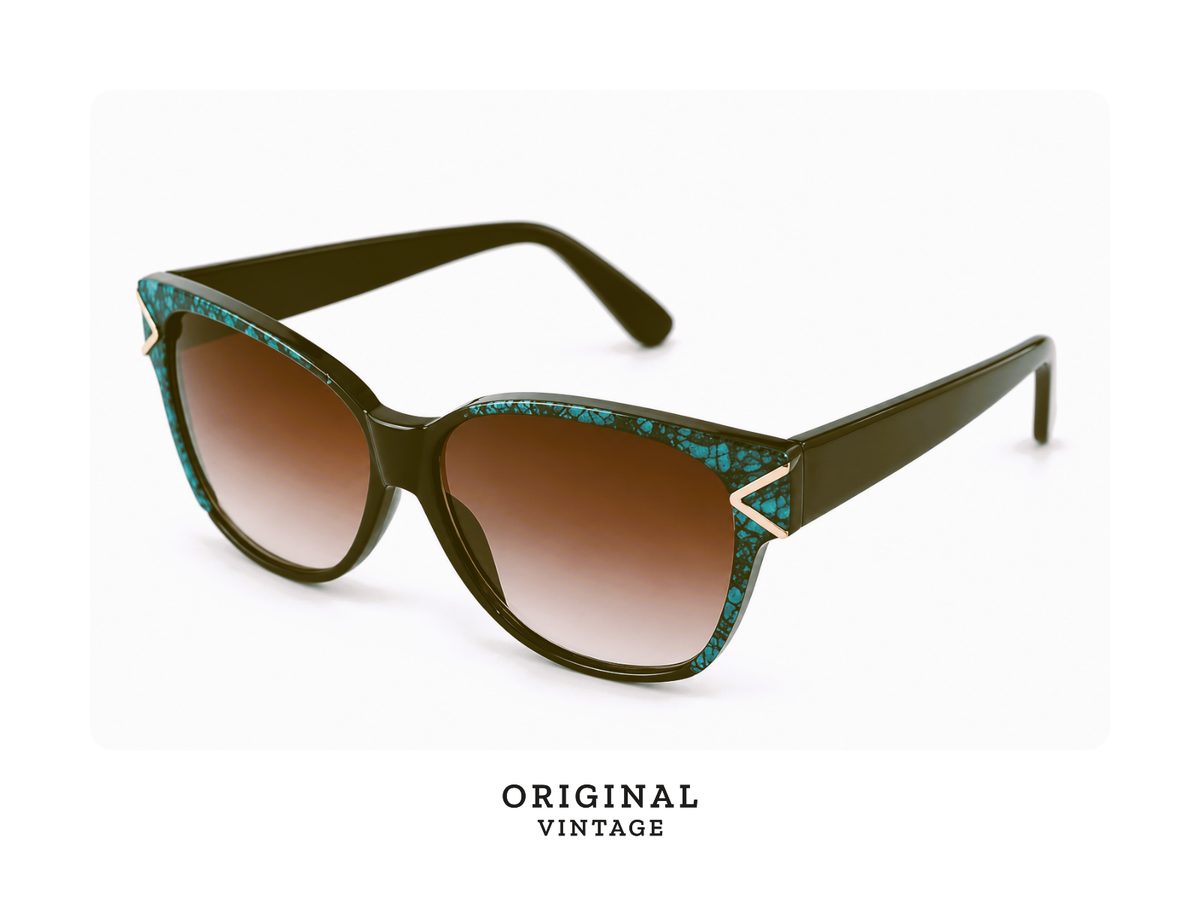
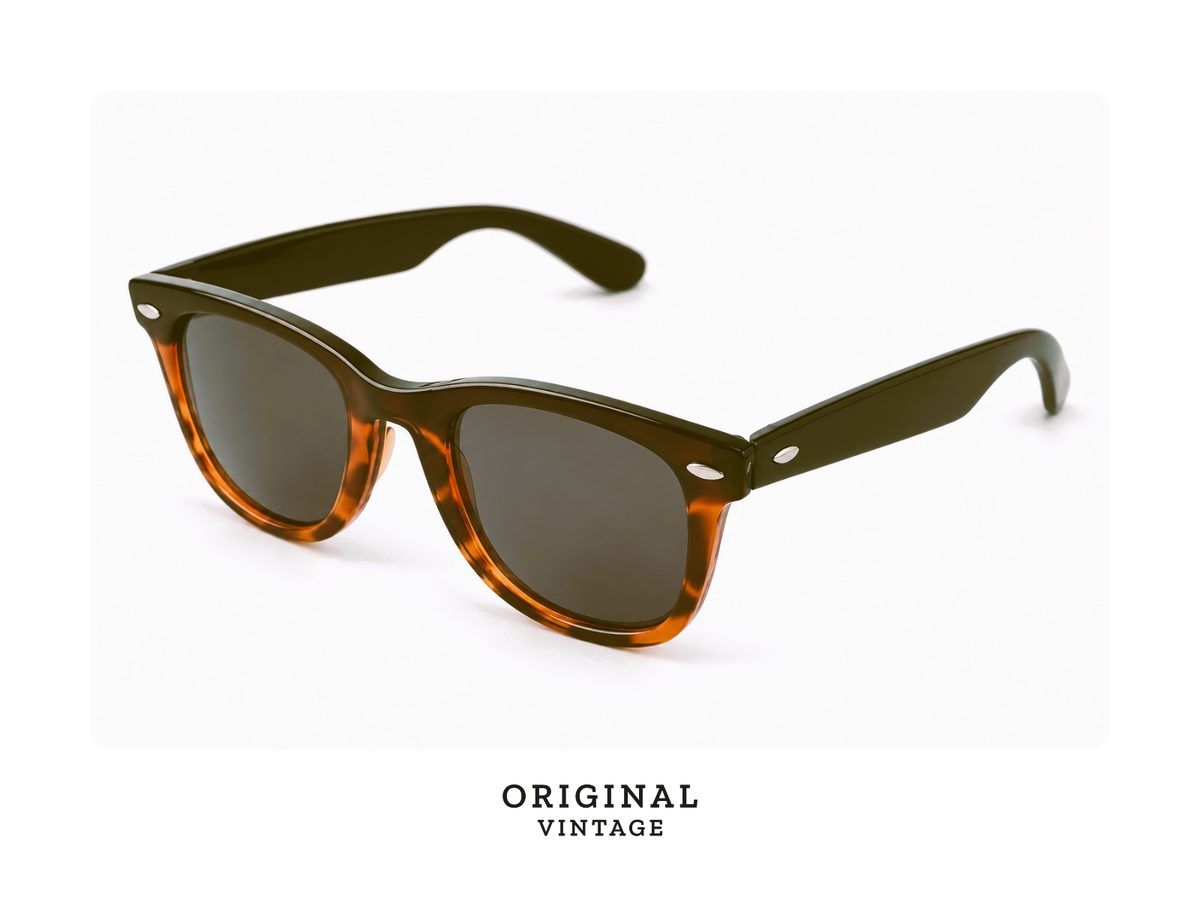
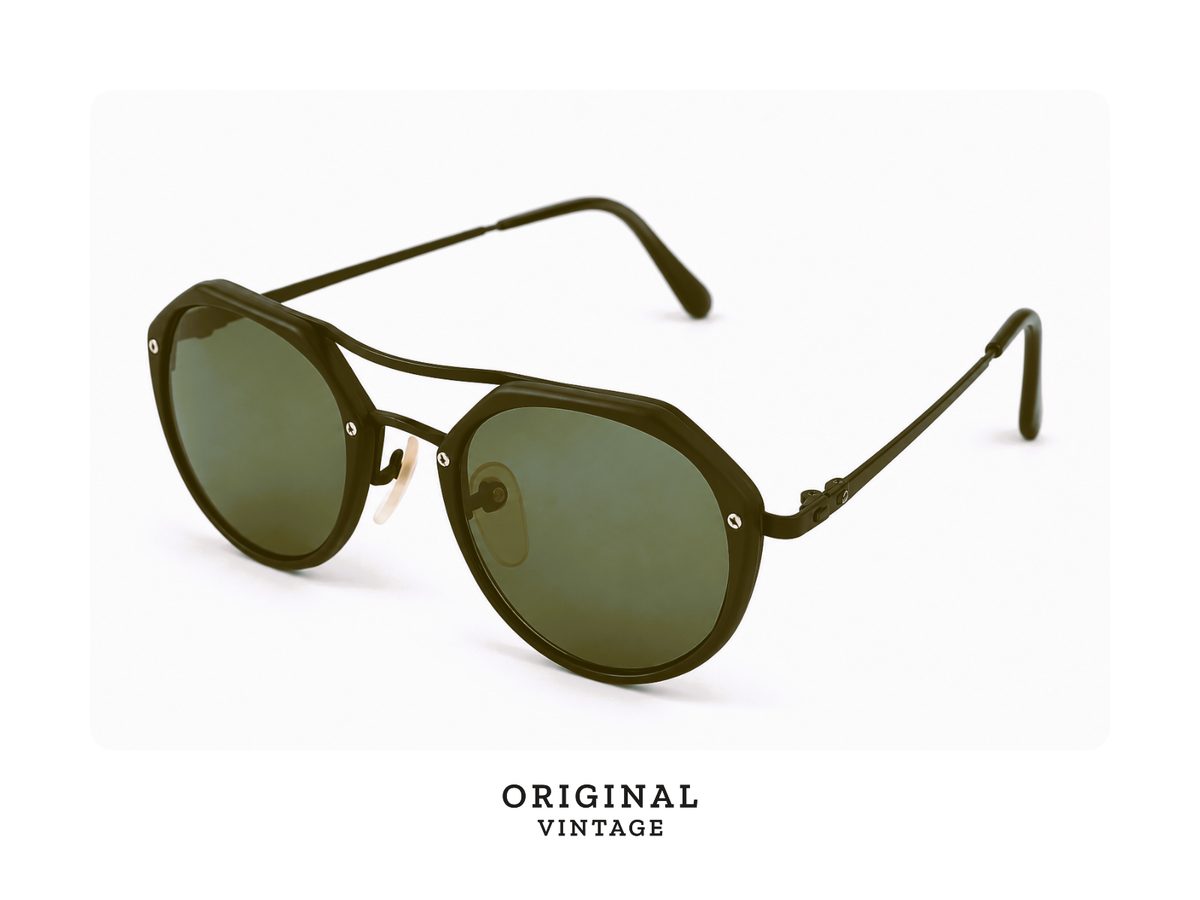
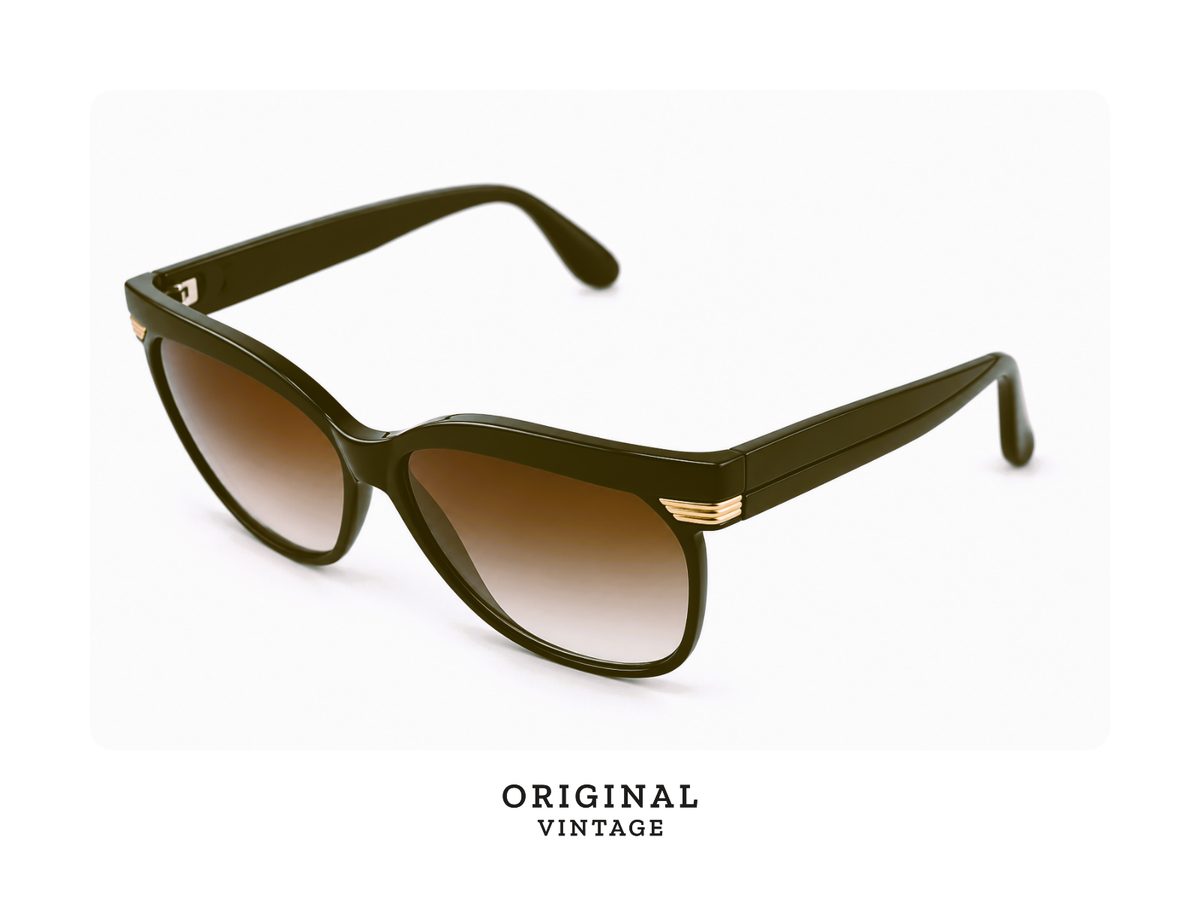
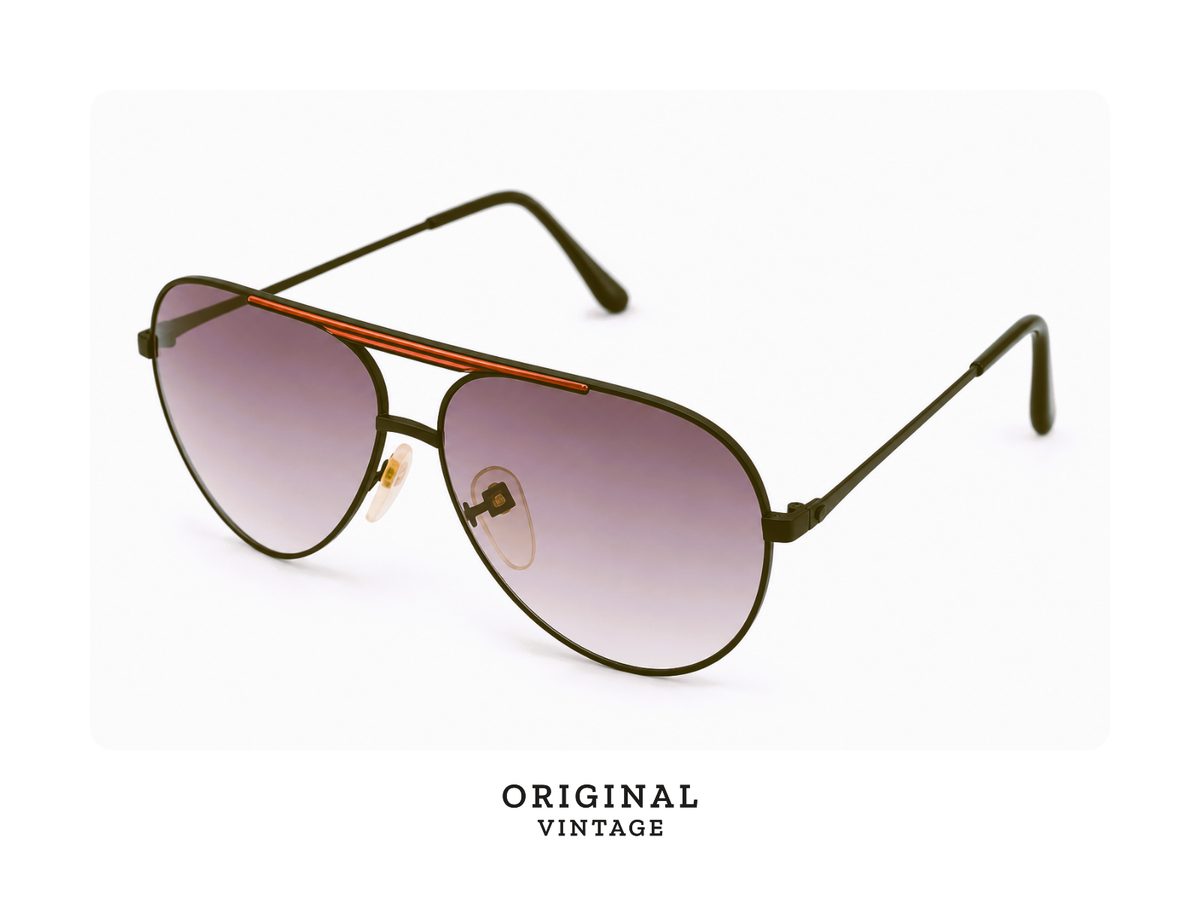
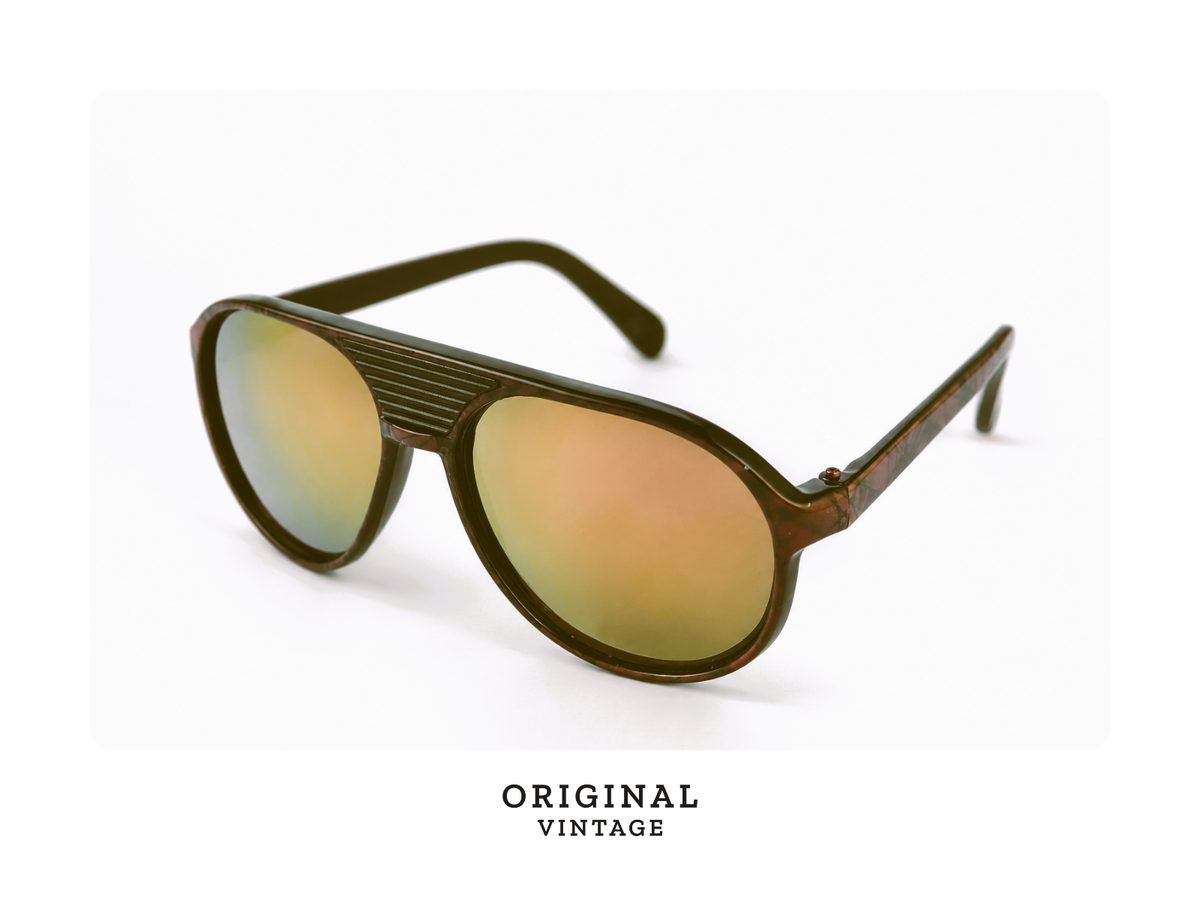
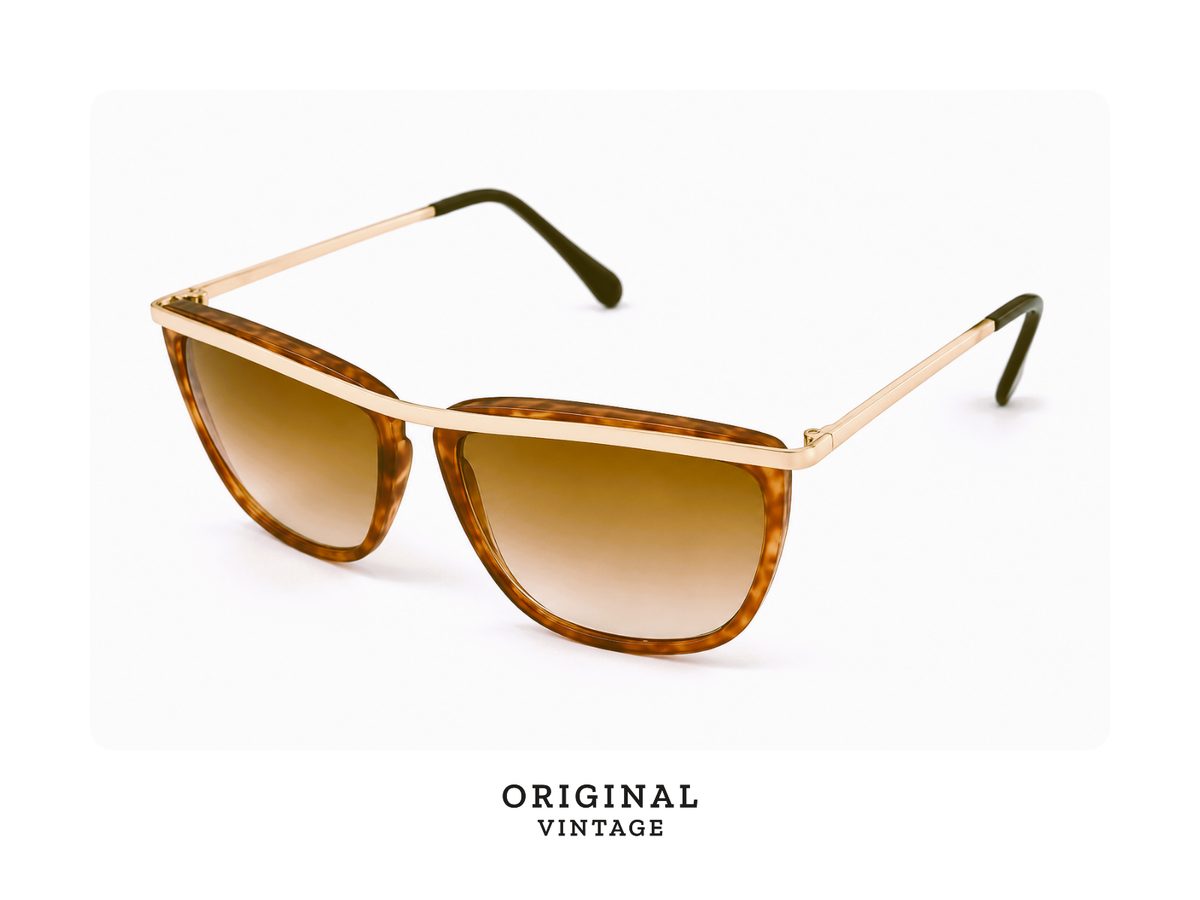
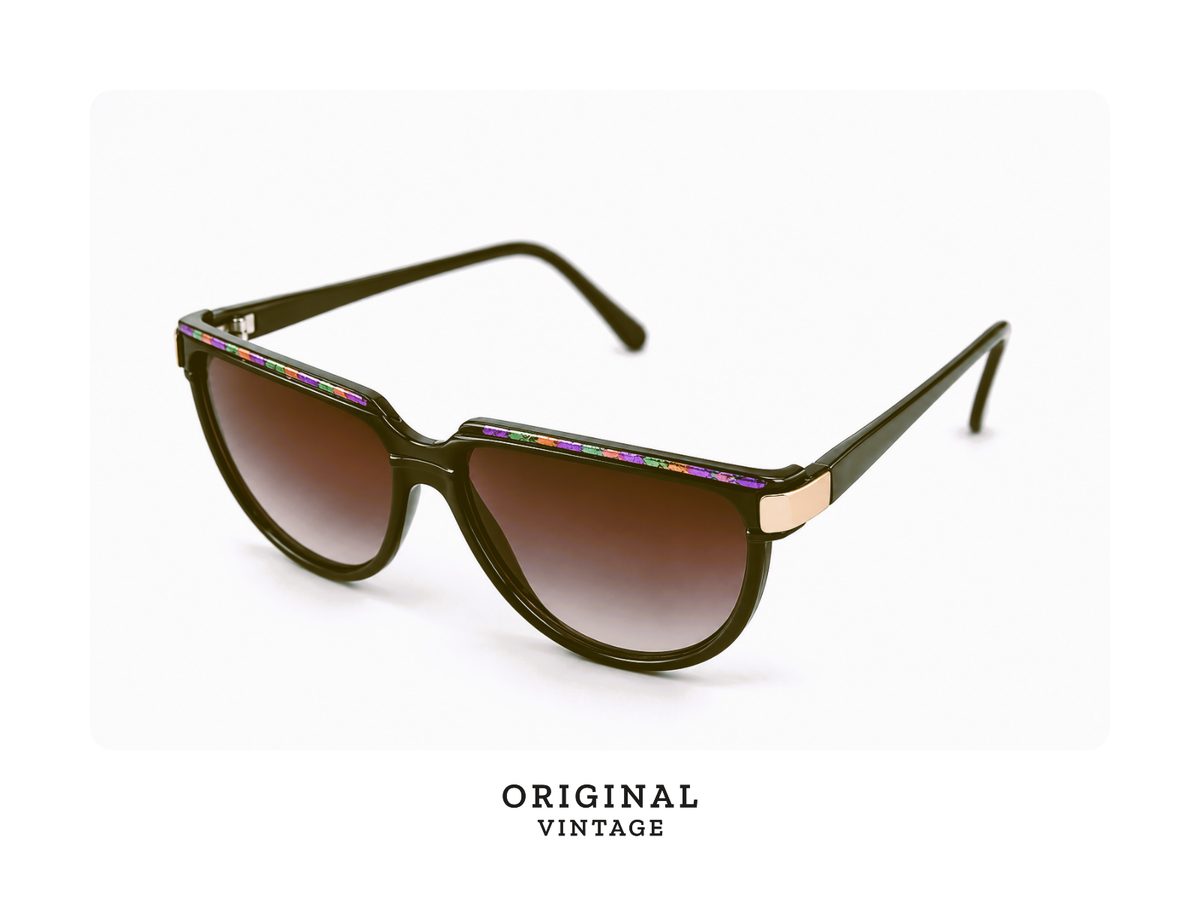
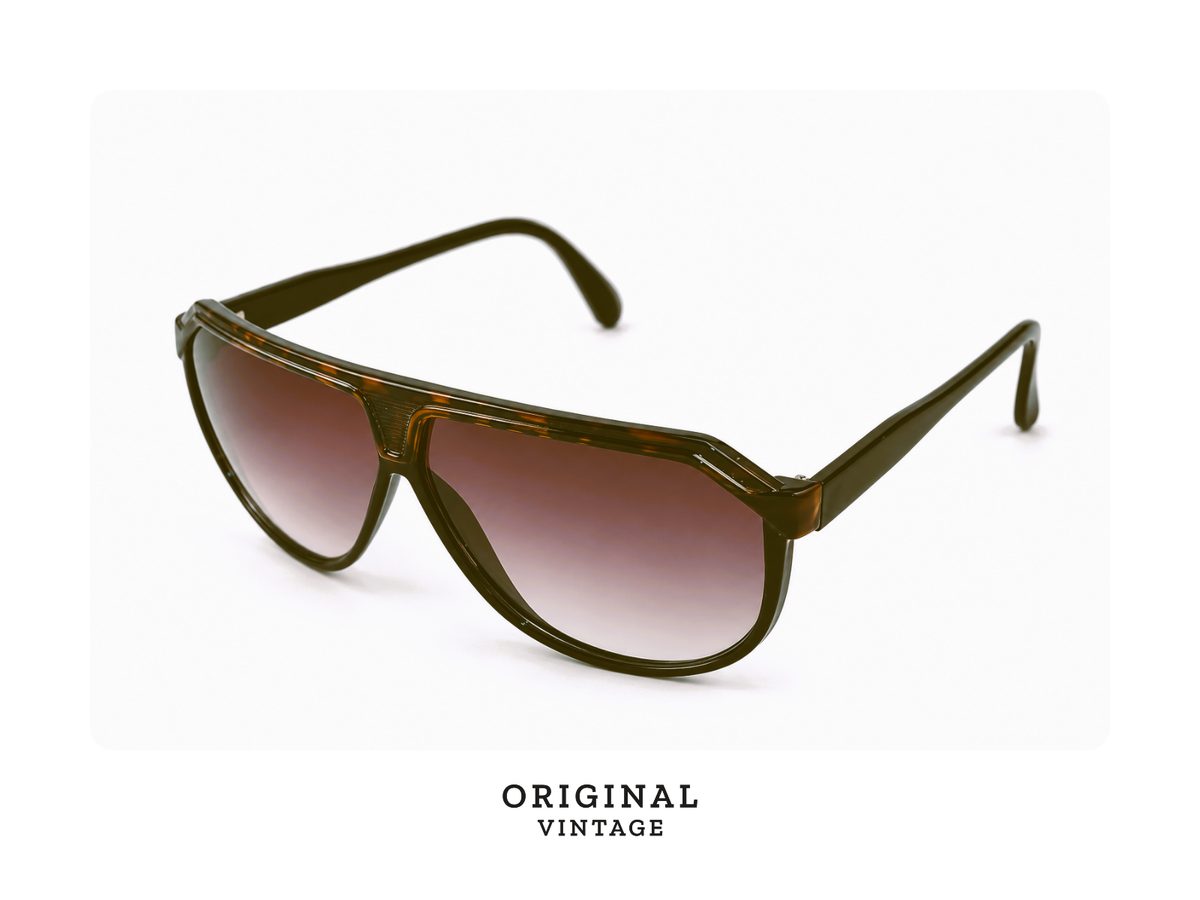
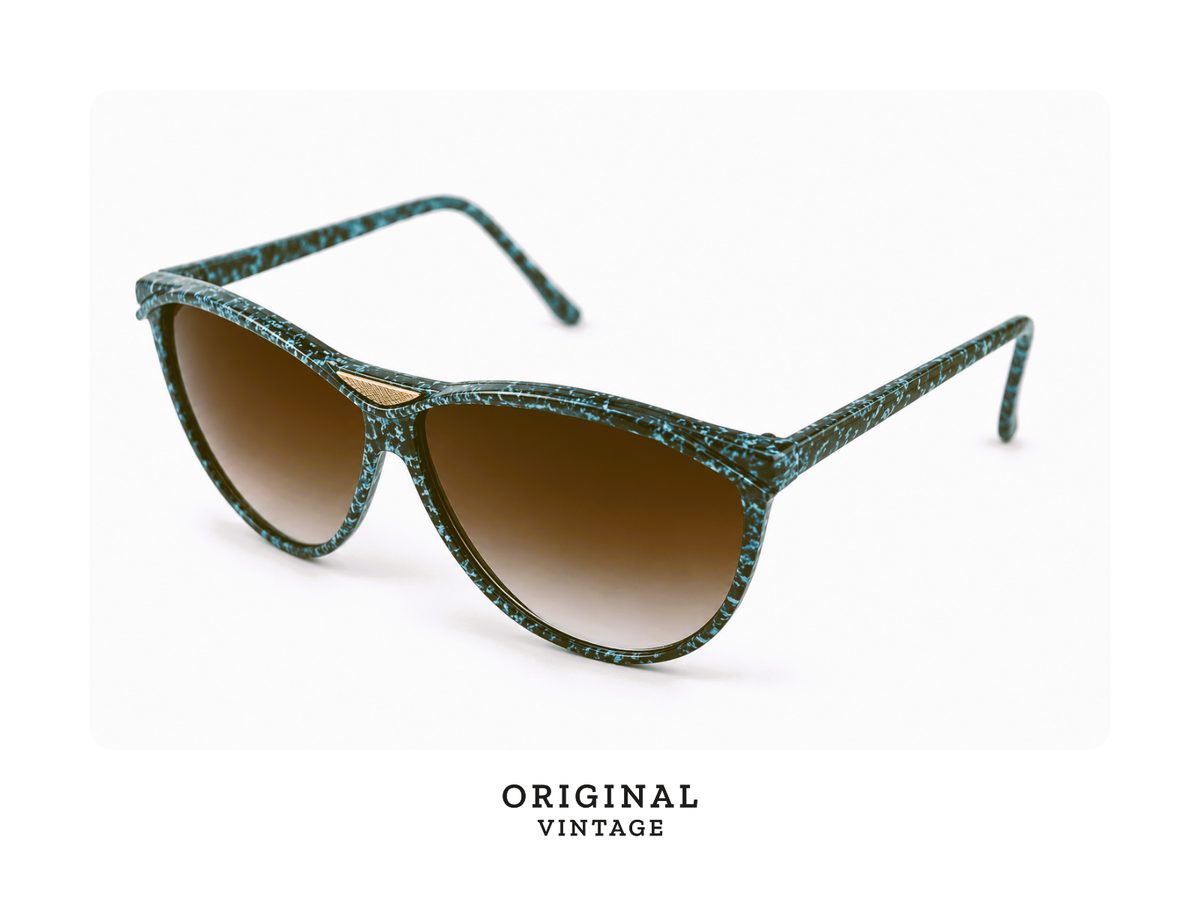
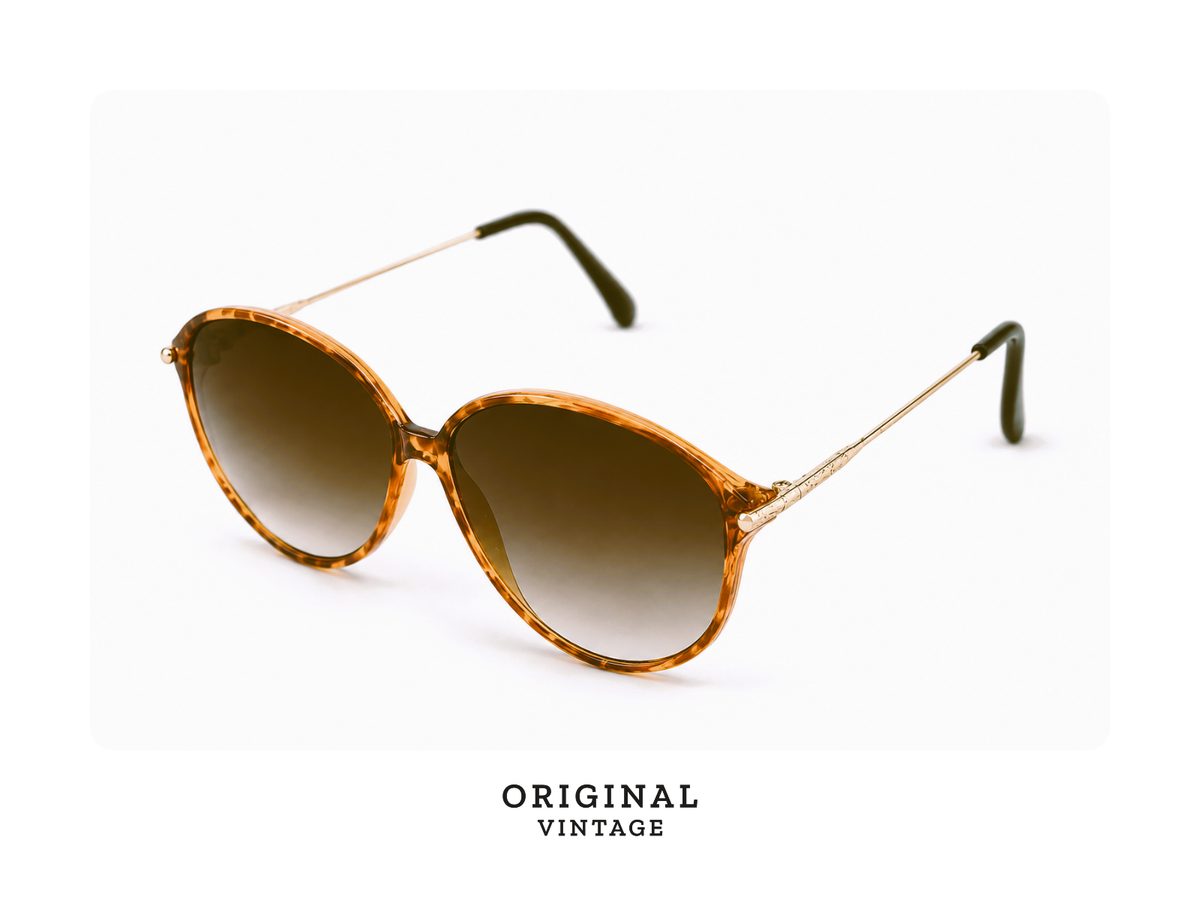
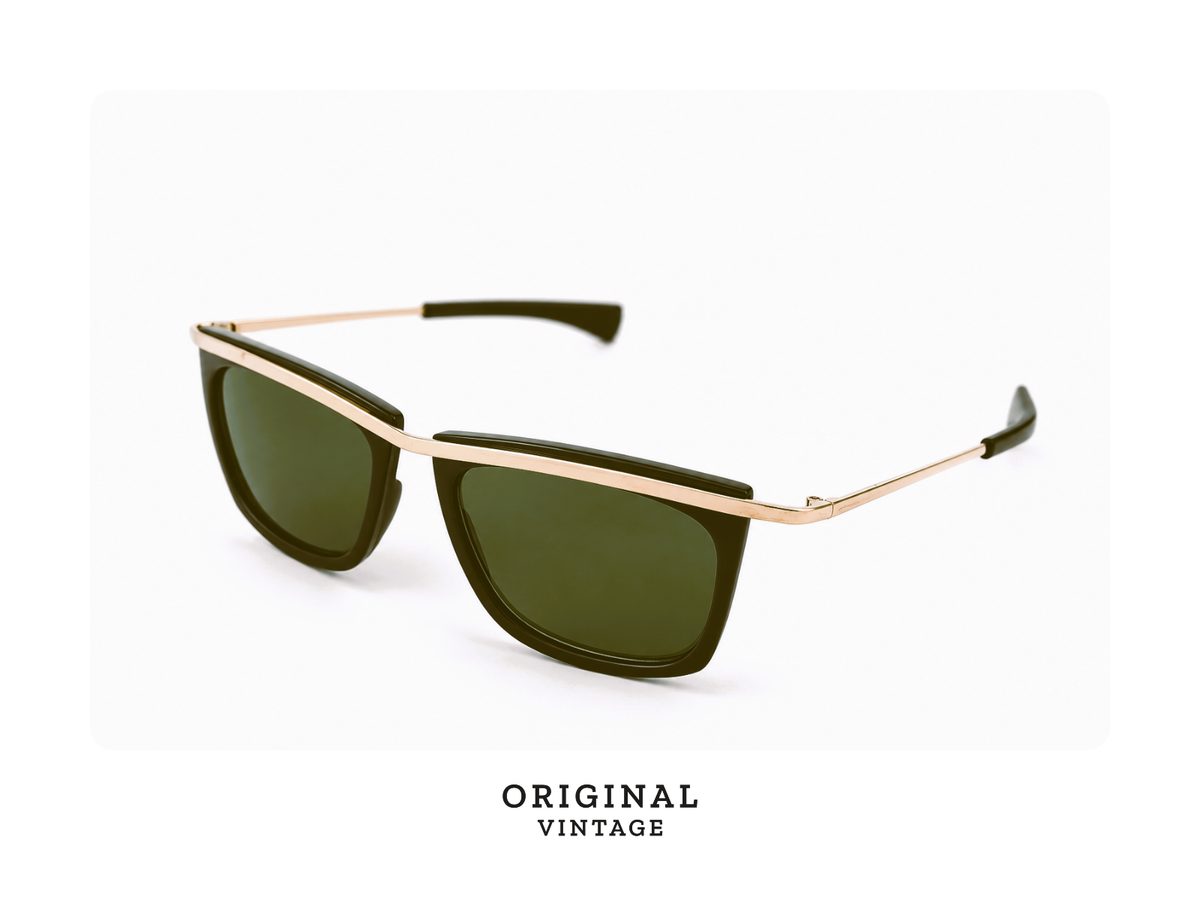
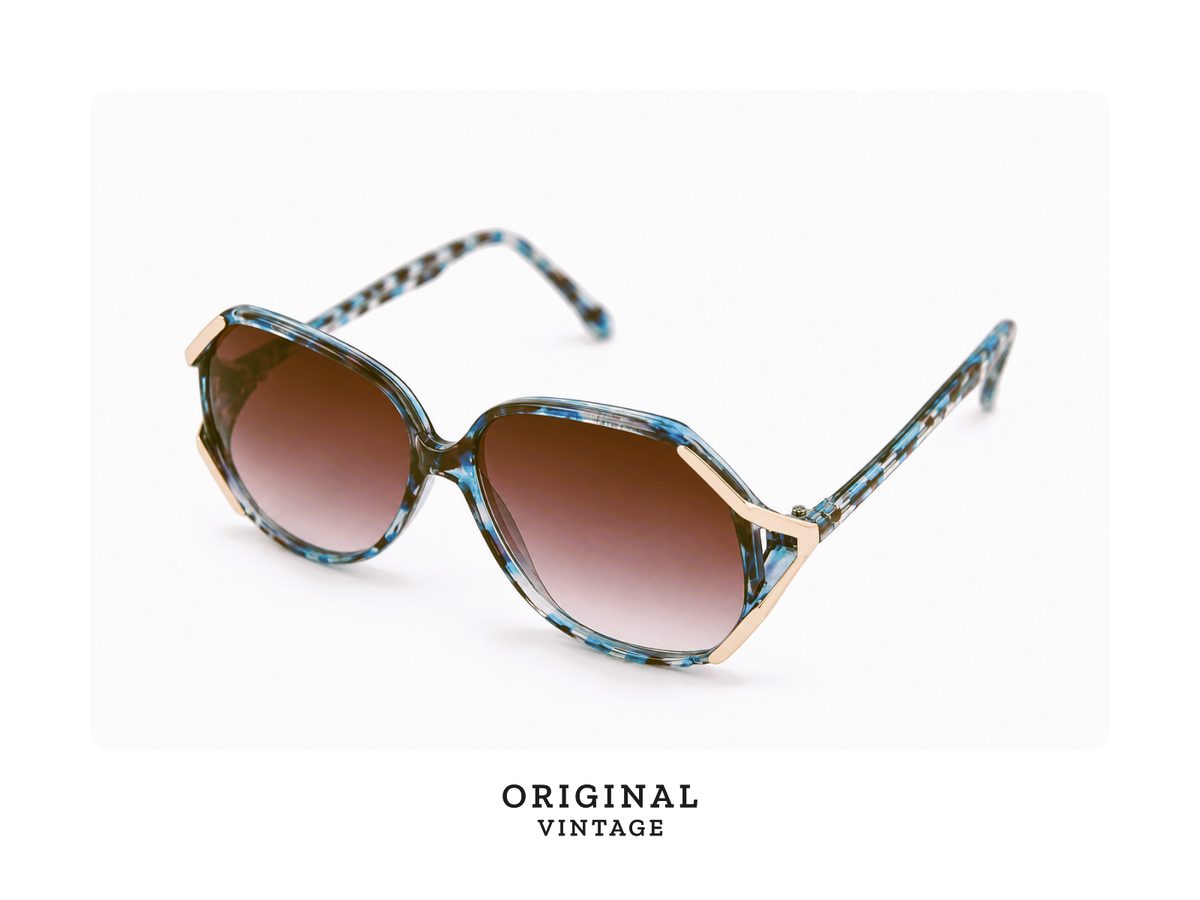
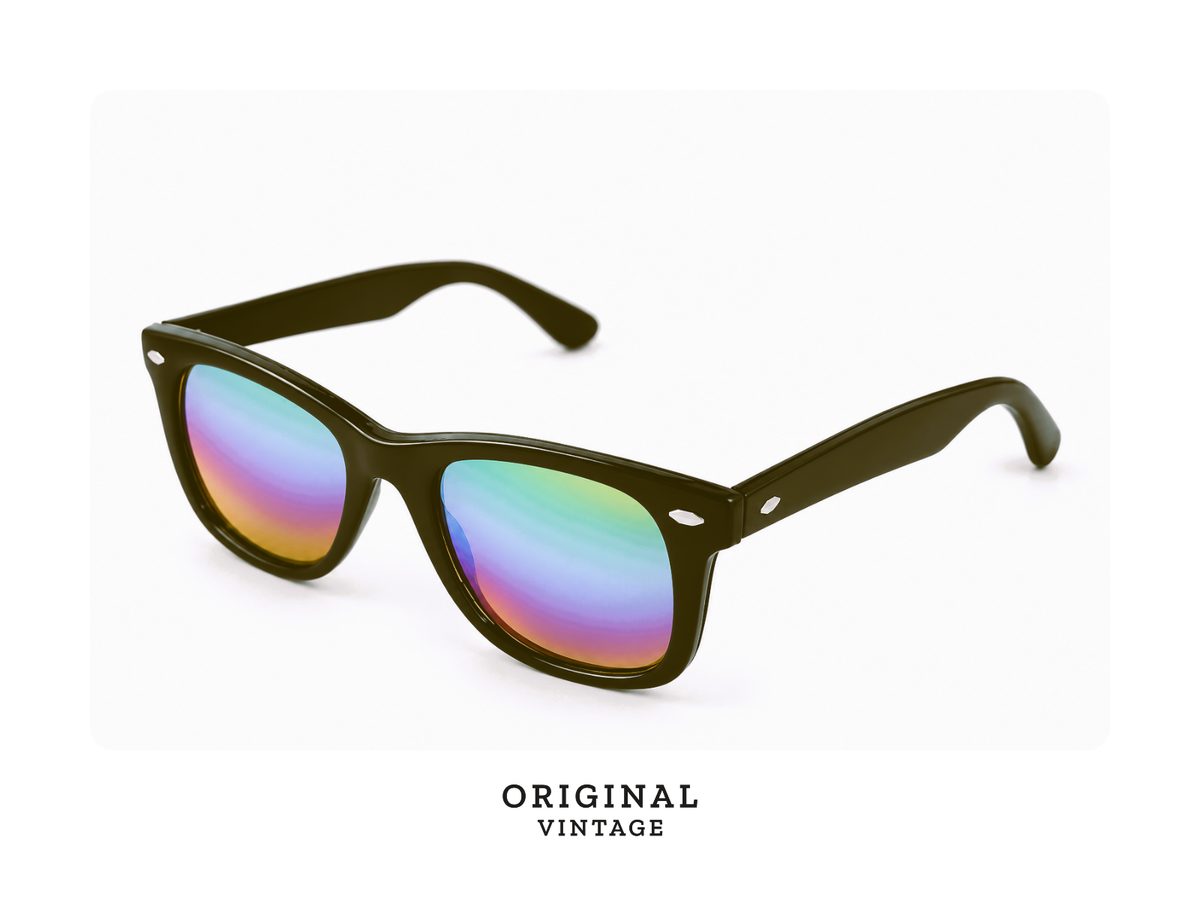
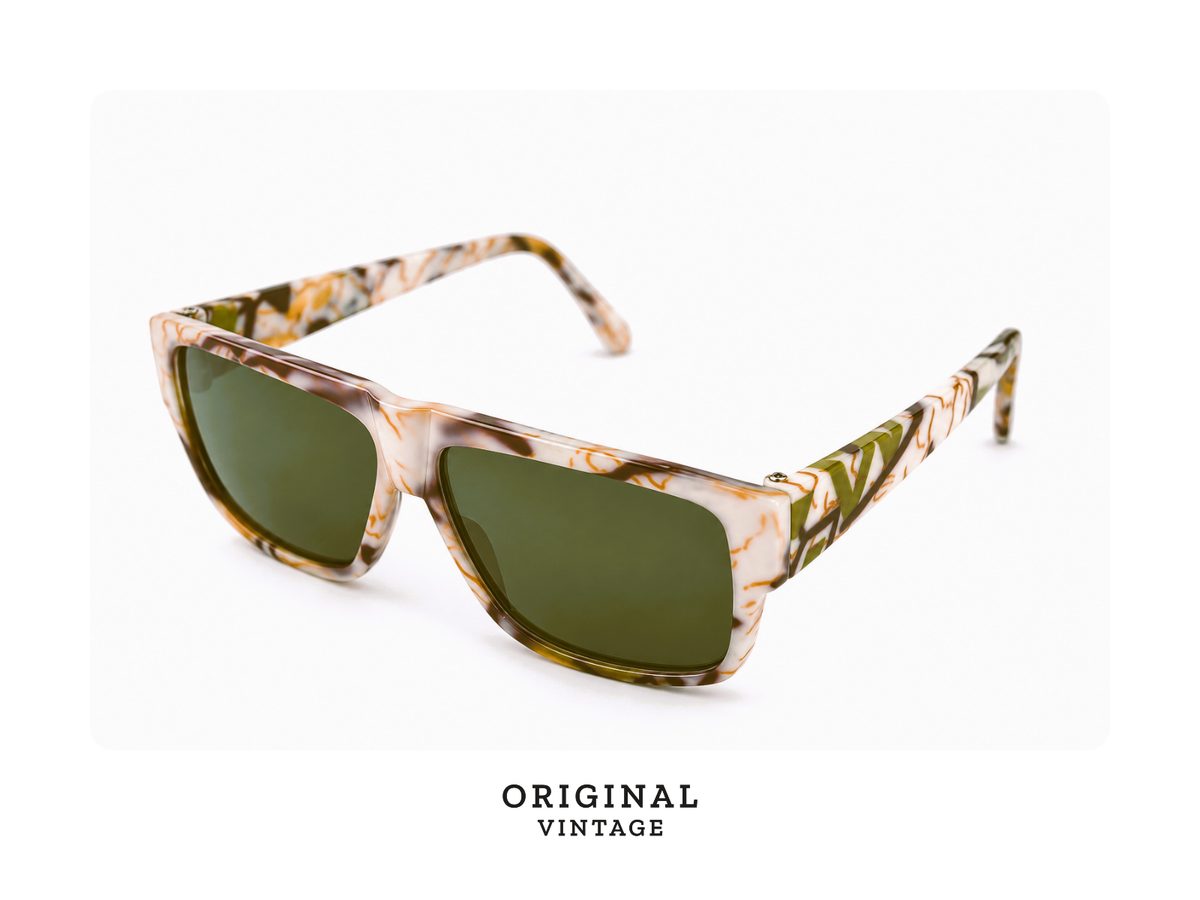
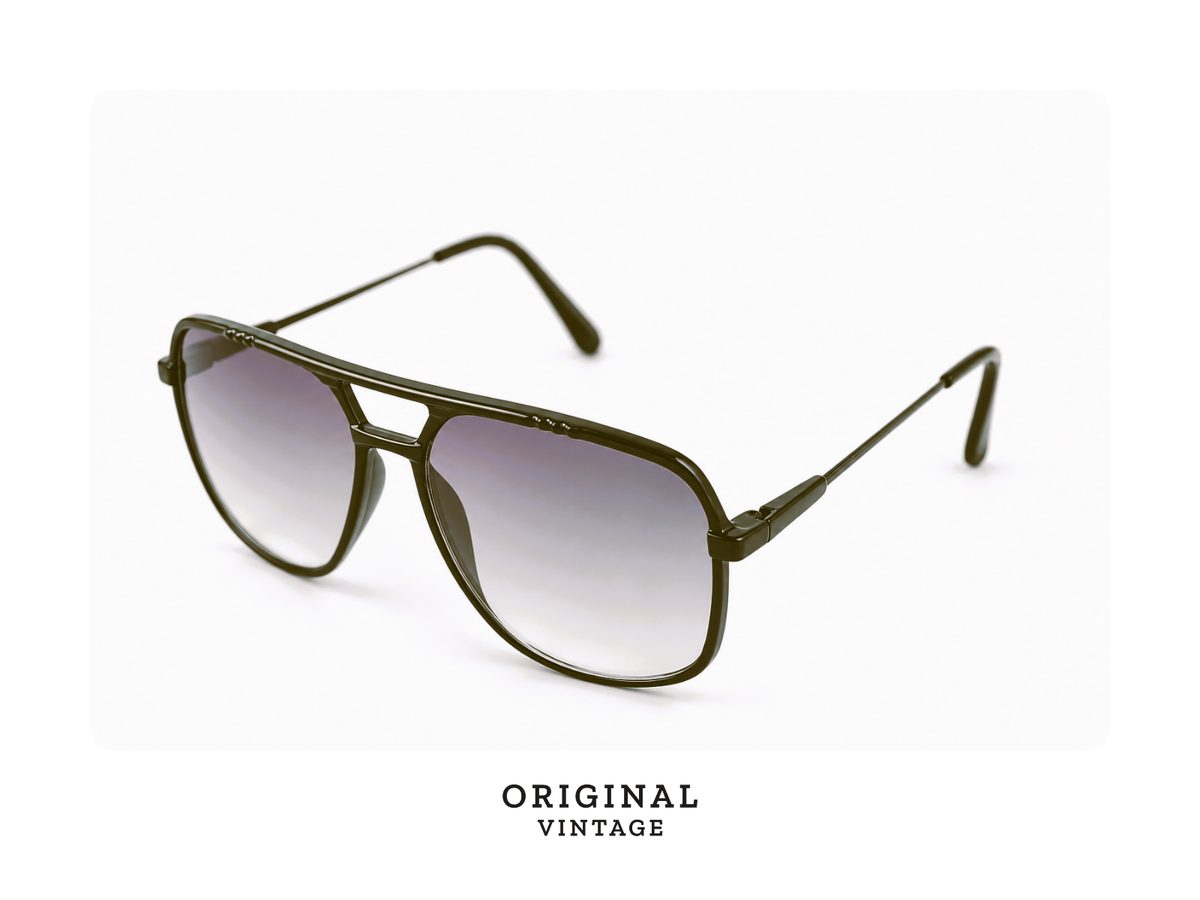
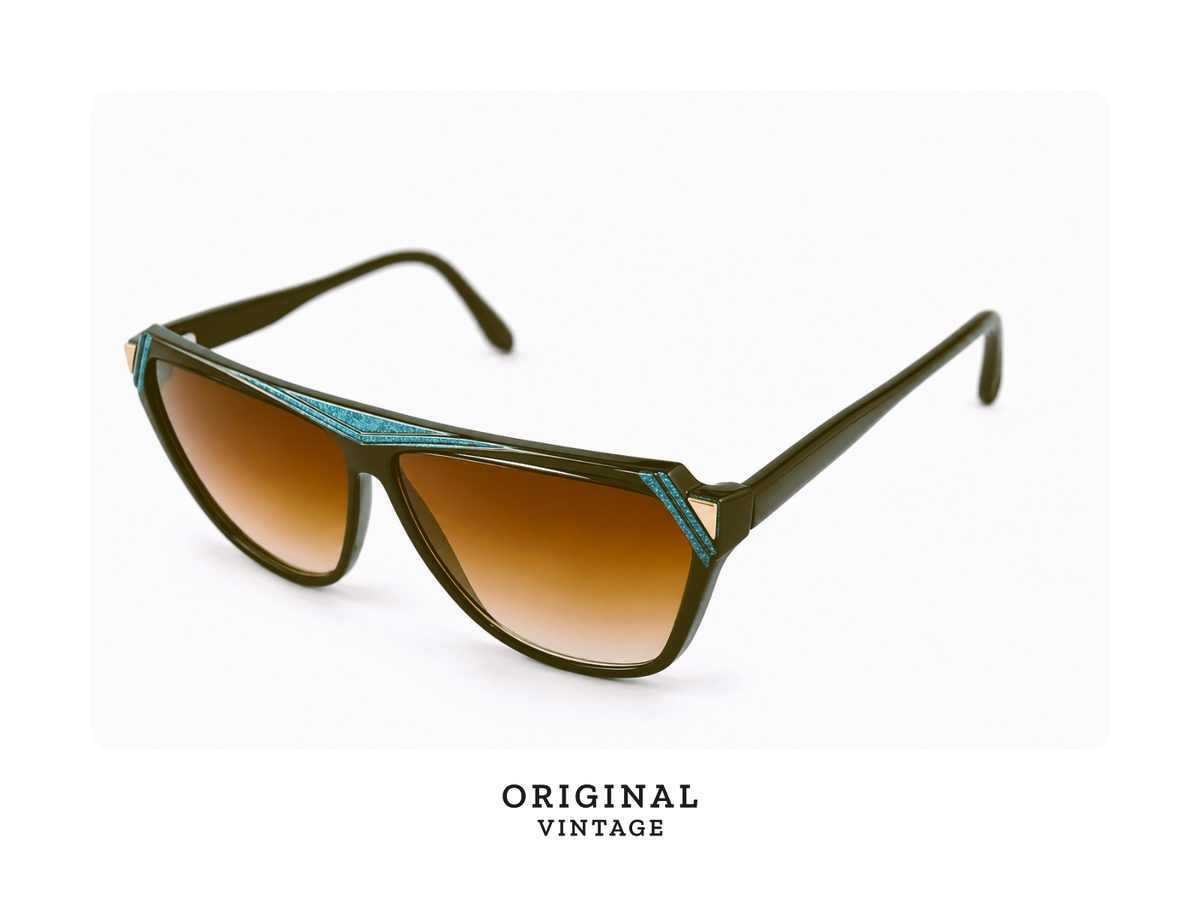
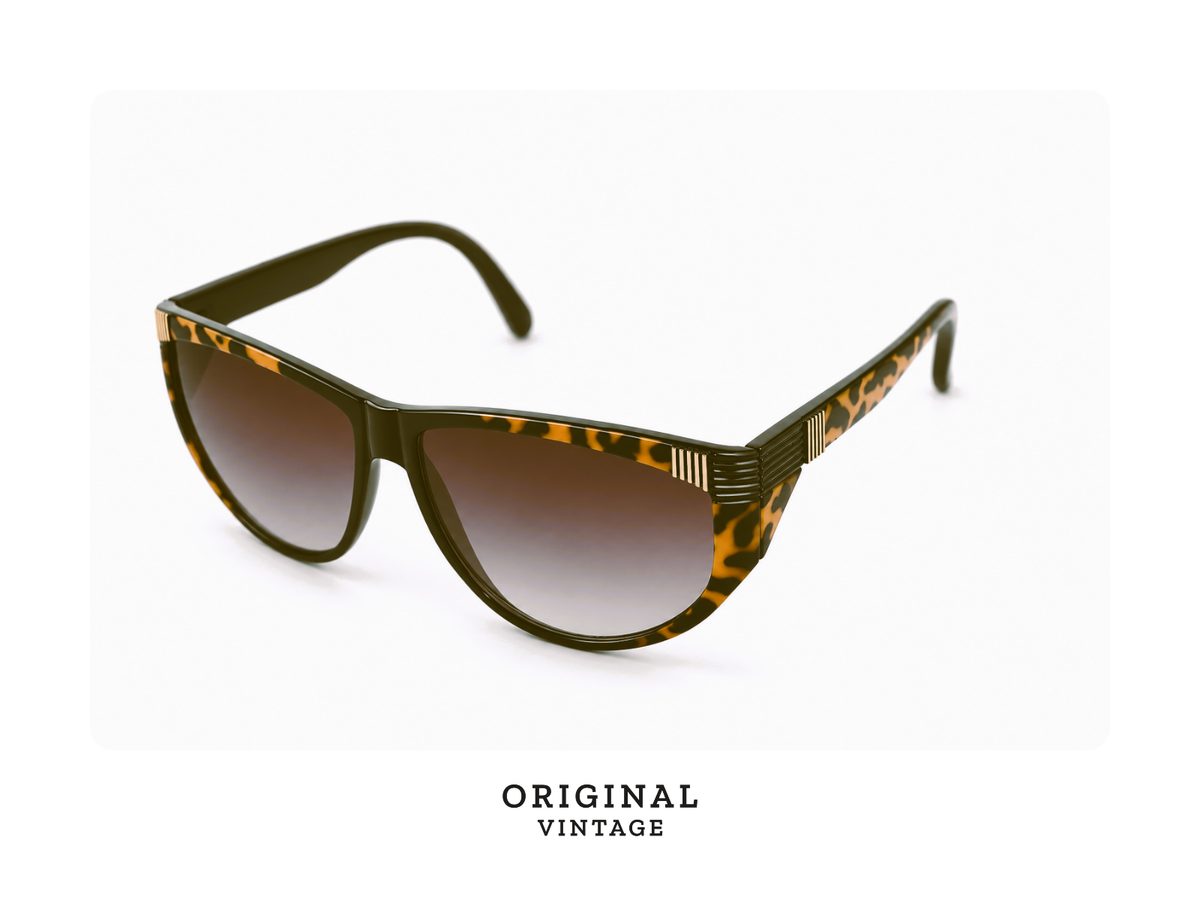
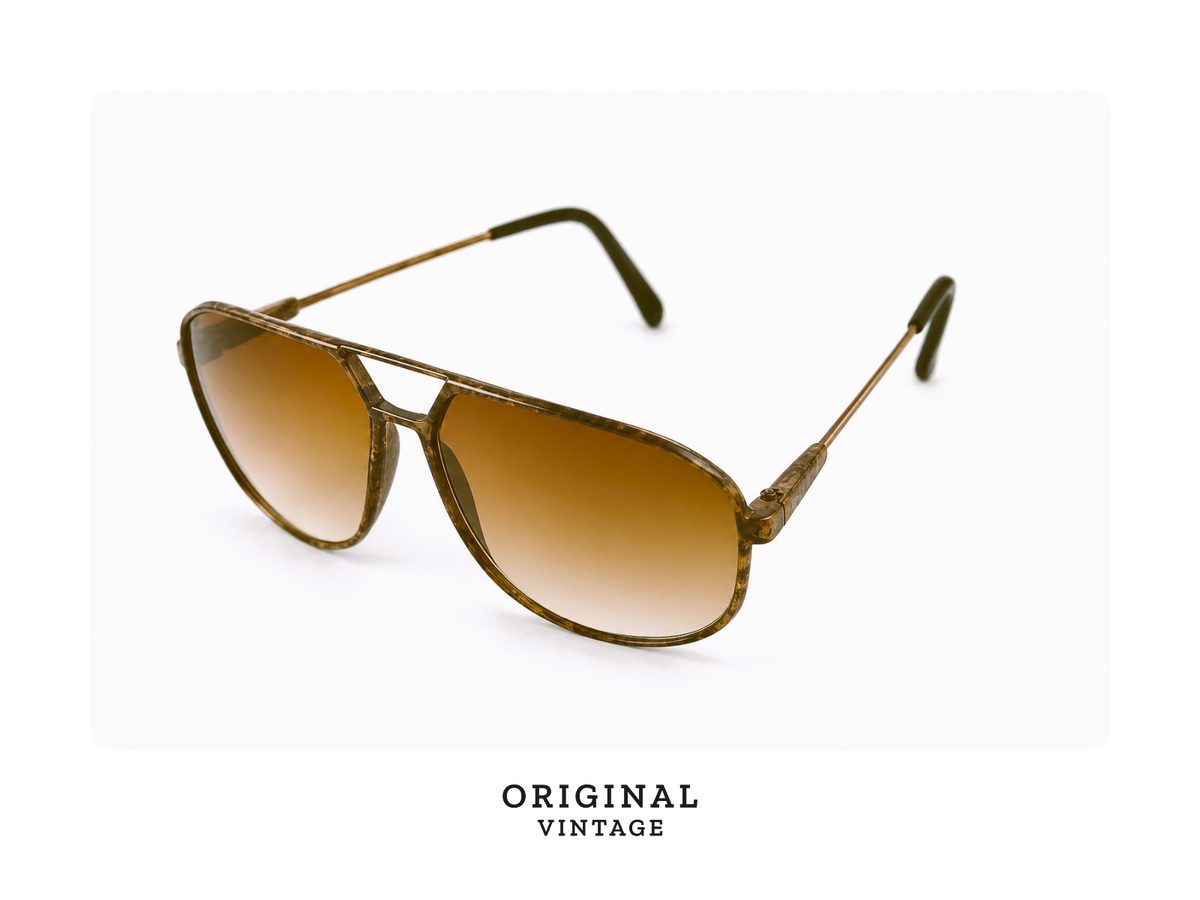
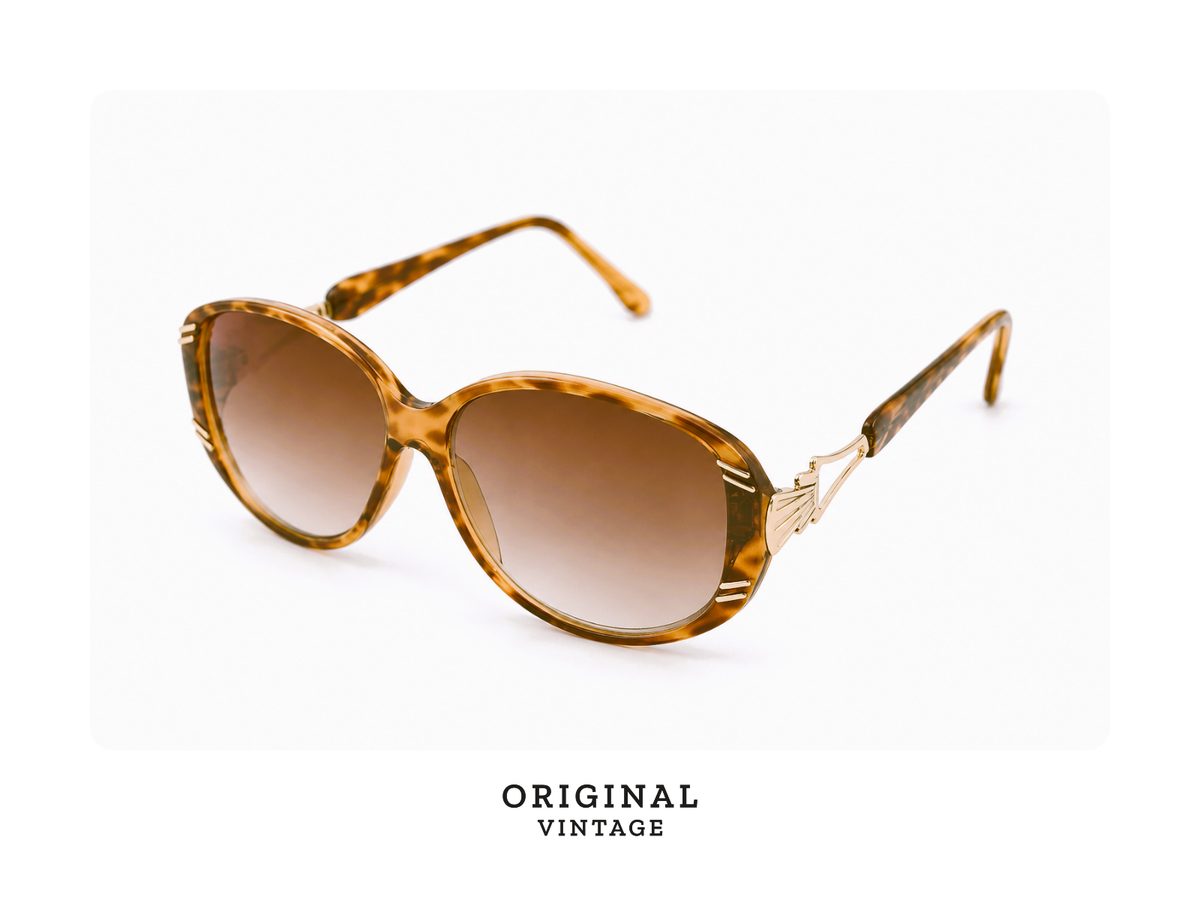
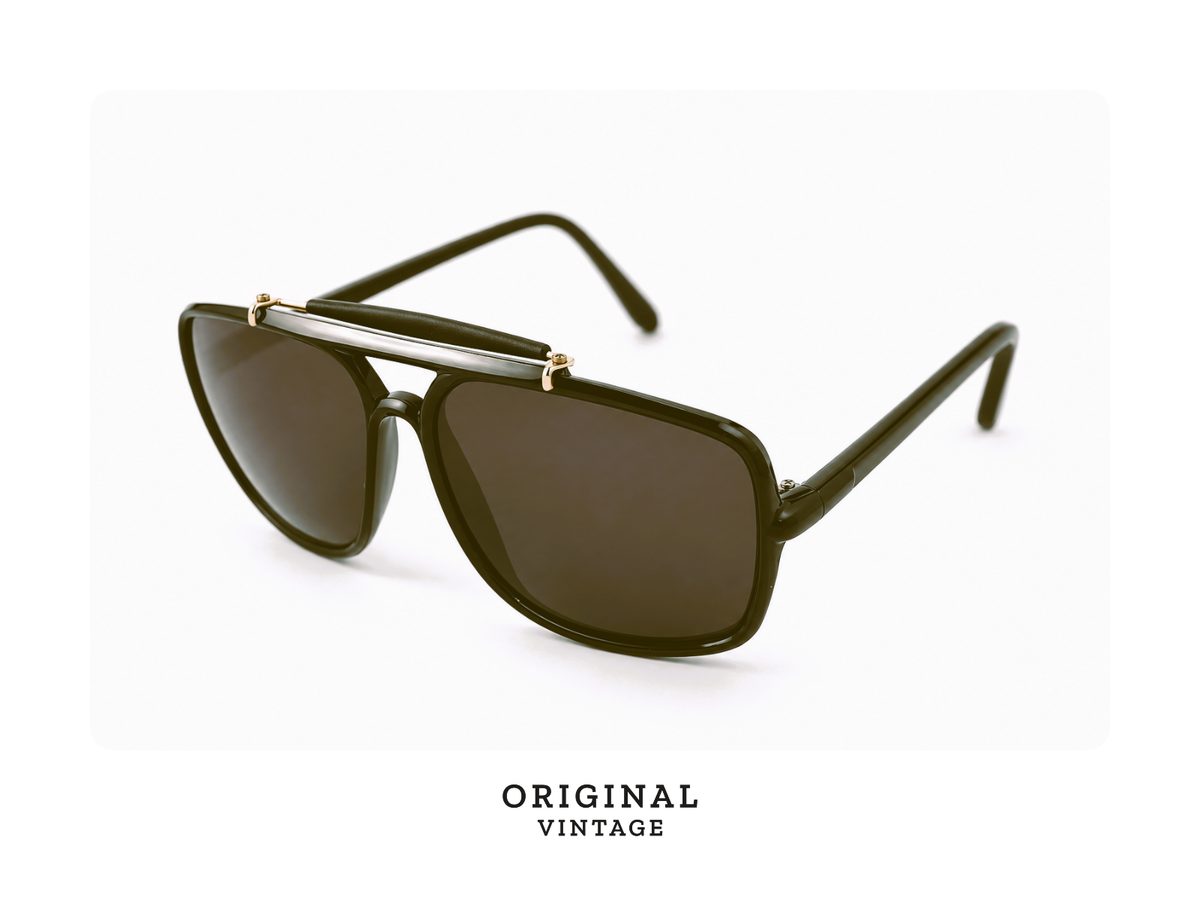
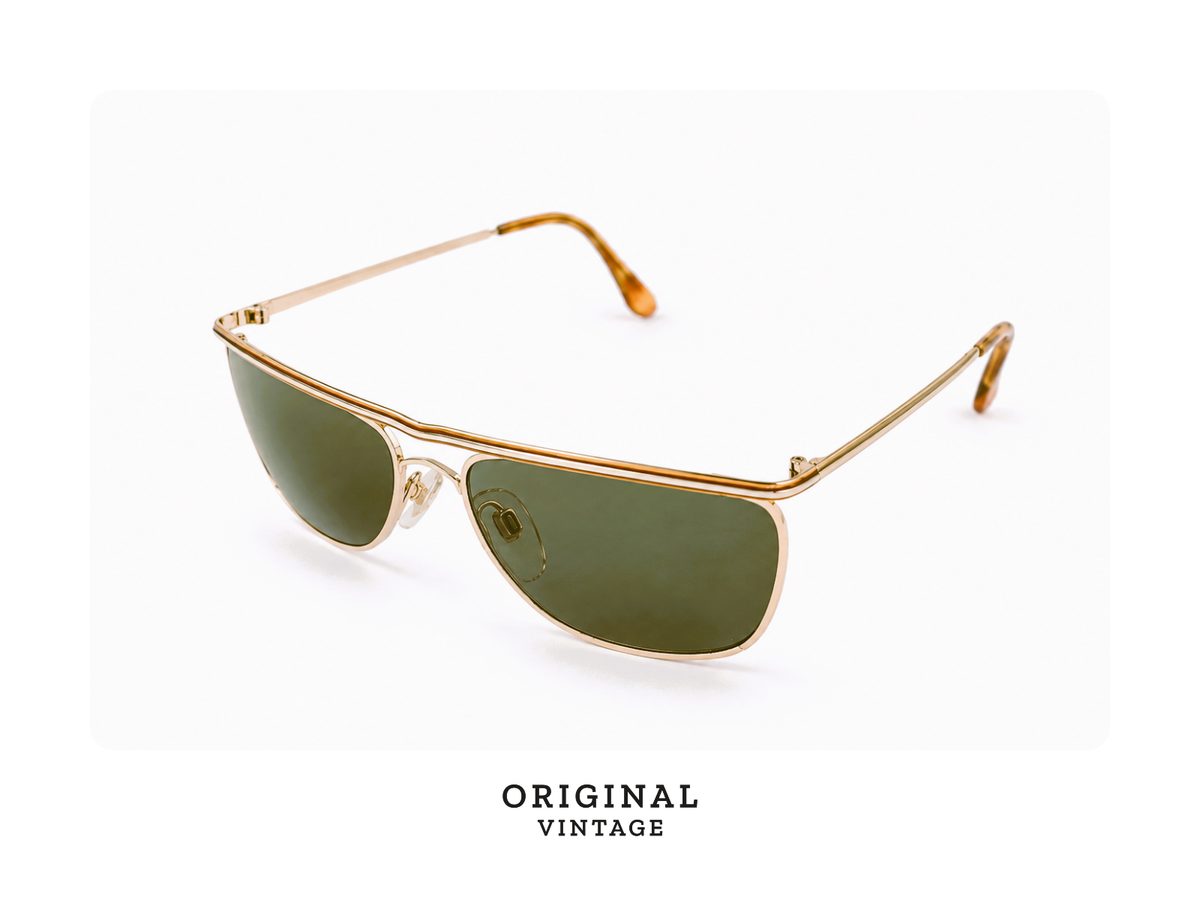
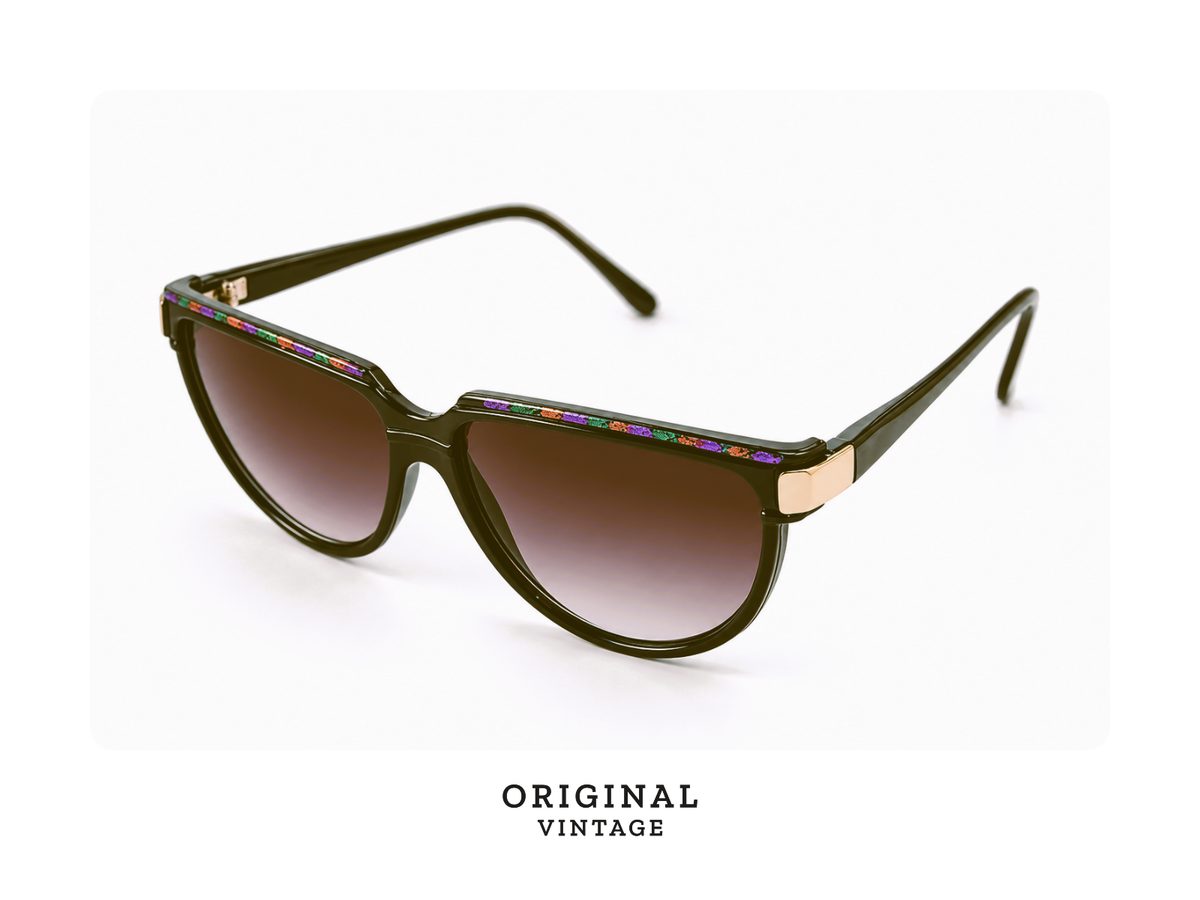
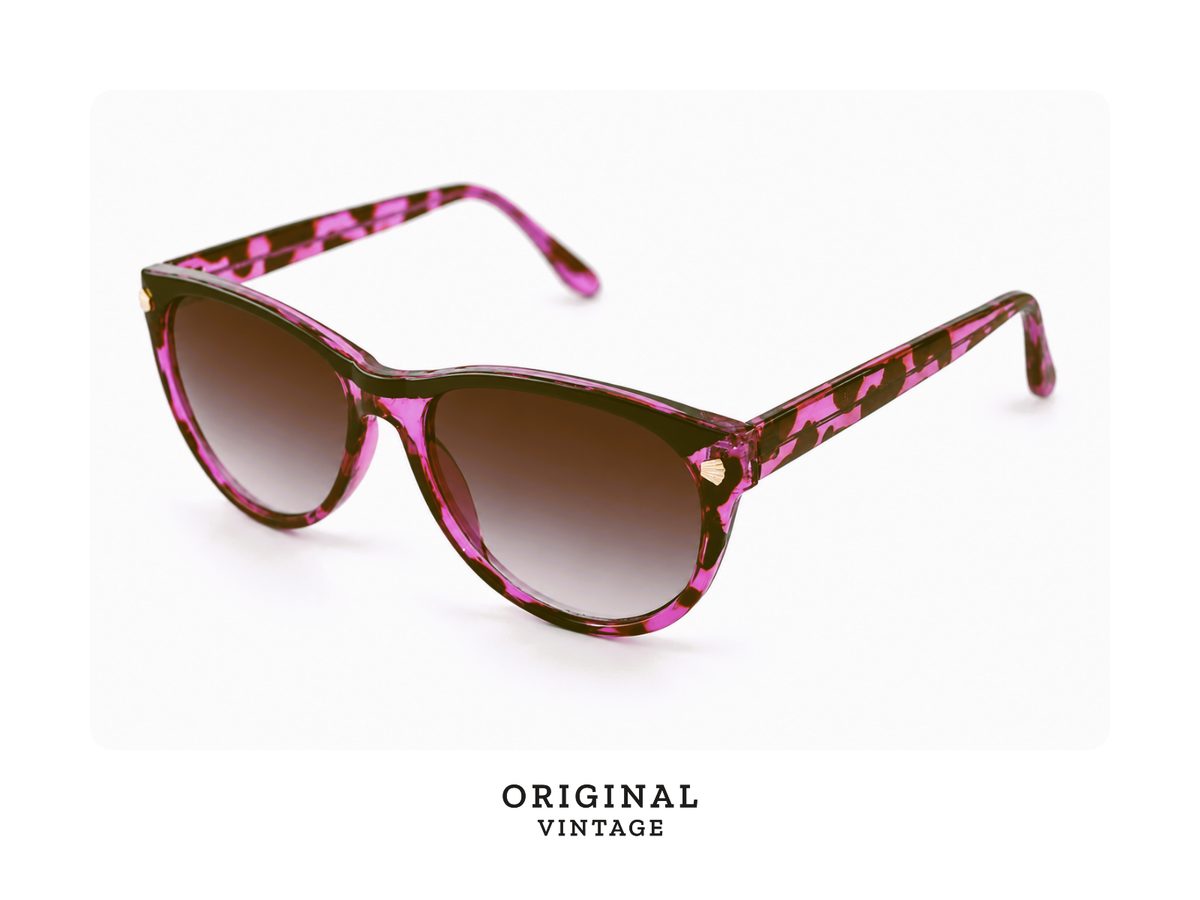
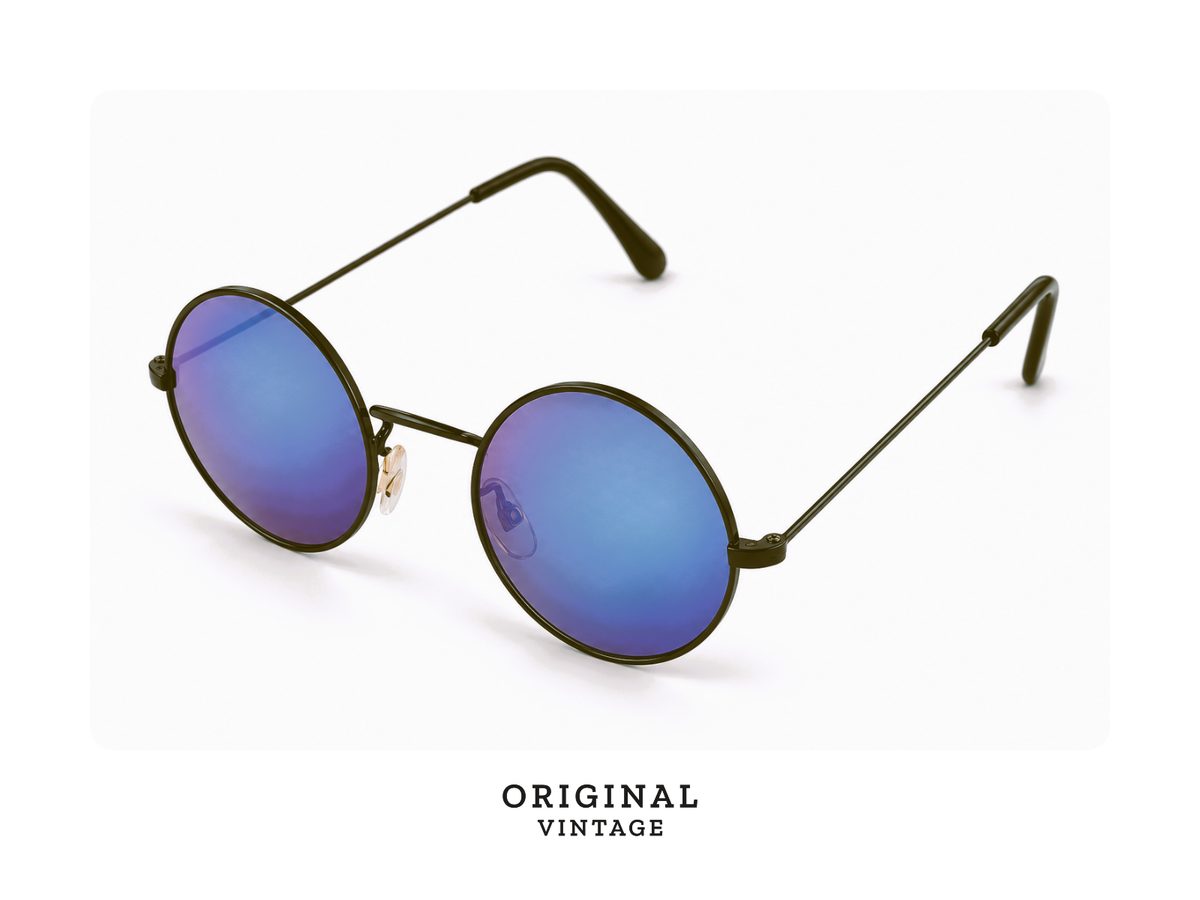
The choosing came later, and it never stopped. More than eight hundred models and their color variants, sorted, inspected, cleaned, photographed and repackaged phase by phase, from the kitchen counter to today. Through the archive went the classic aviator, mirrored lenses and classic lenses, sixties cat-eyes, seventies oversized frames for men and women, eighties California styles, flat tops, sport wraps, nineties minimalist frames in metal and acetate, the gentleman's dress frame, grandma's glasses, kids' glasses and even the flexible frame with no metal parts, made for a baby. Some turn cash fast, others give a store its style and wait for the right customer. Given time, method and the right customer, every model sells.
The 2010 archive · 95

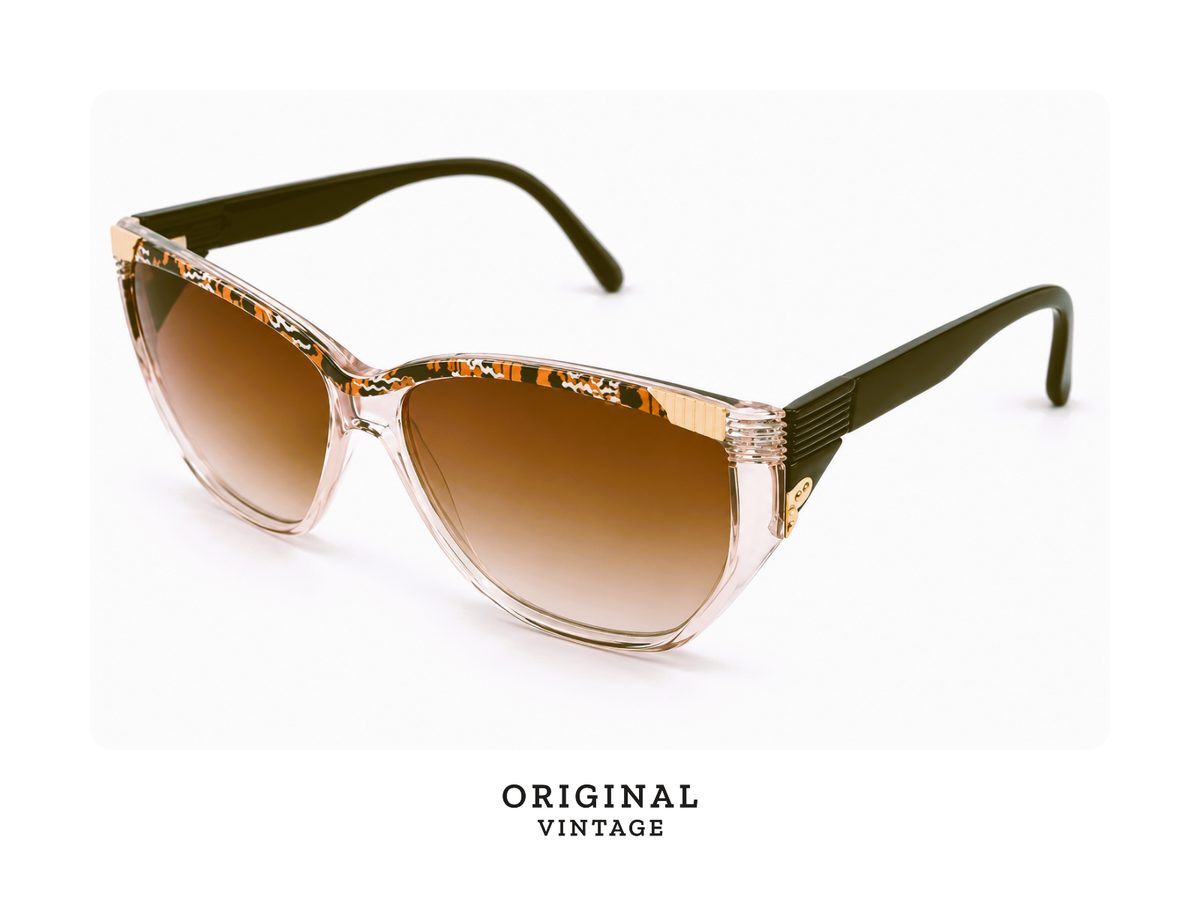
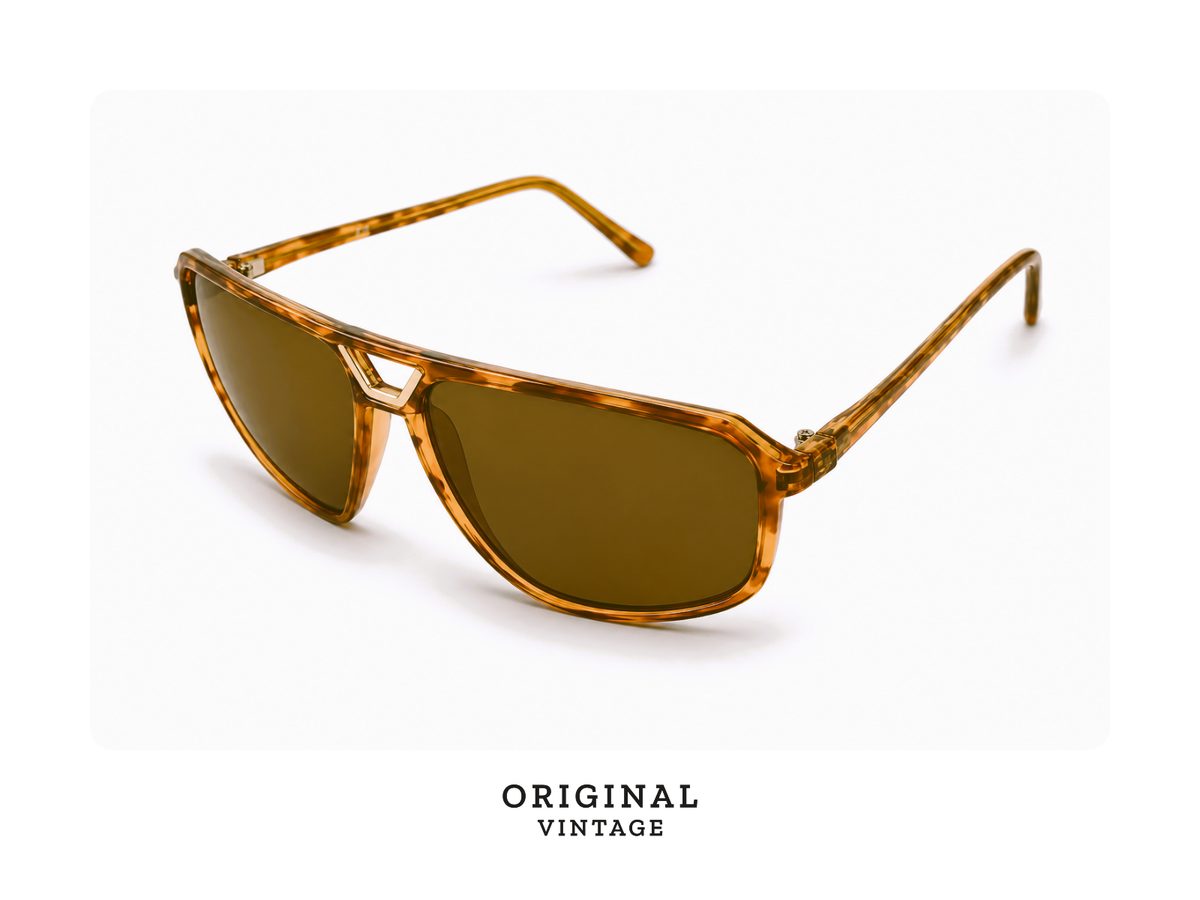
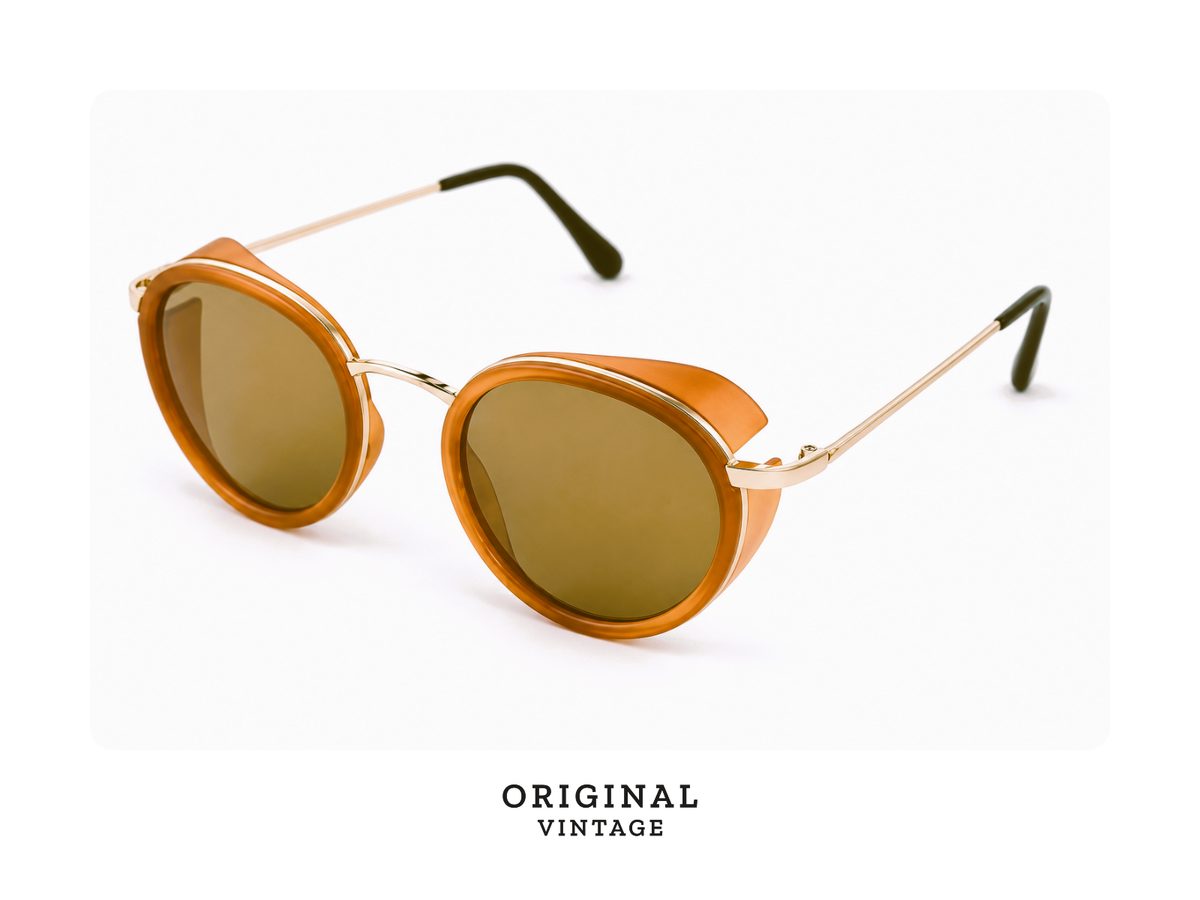
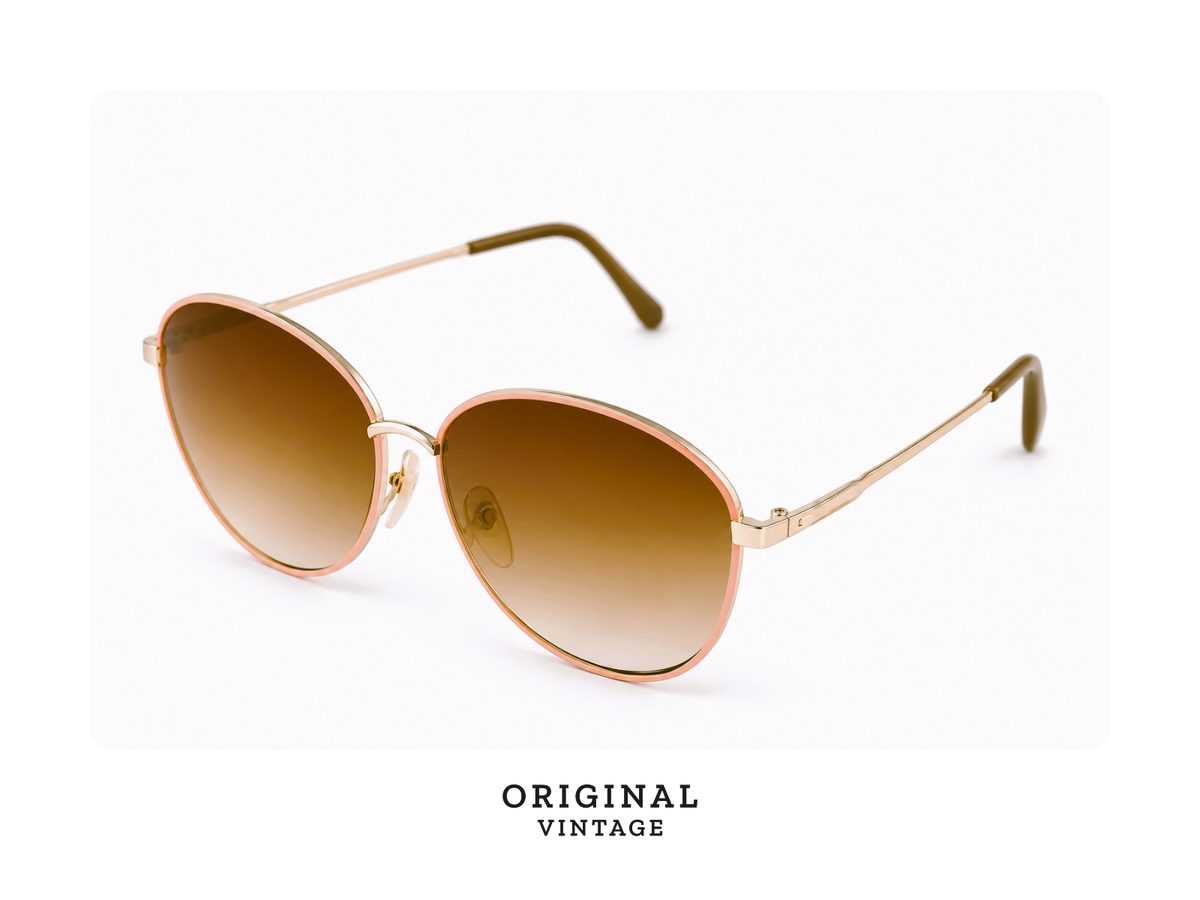
Since 2010, more than fifty thousand original vintage frames have passed through the hands of Alessandro Damasceno.
50,000+

original vintage frames, since 2010.